


Your heart is an intricate and robust pump that sends blood throughout your body to supply the oxygen your cells constantly require. Your heart beats about 100,000 times per day, forcing your blood to flow through more than 55,000 miles of blood vessels in a continuous loop. In a healthy heart, the intricate pacemaker cells trigger electrical impulses at precisely the right time to maintain adequate circulation throughout the body. Your heart is strong, but it can become weak and damaged if not cared for. Heart disease is the leading cause of death in the United States and largely caused by lifestyle factors. Losing excess weight, getting 2.5 hours of exercise a week, and eating a healthy diet can prevent heart disease. In addition, avoiding tobacco and excessive alcohol, will help keep your heart strong and healthy. Getting blood pressure checked regularly will let you know if you are developing issues.

A Heart Scan Is Supposed to Predict Heart Disease. Here Are the Facts
The $99 test neighbors swear by adds little for most people–and a new trial did not show it prevents more heart attacks.

Climbing Stairs Cuts Heart Disease Death Risk by Nearly 40 Percent
Experts explain how much may be enough–and who should be cautious.

He Lost 15 Percent of His Weight—Why His High Cholesterol Persisted
Taking blood pressure medication and paying attention to diet are both important.

Sugary Drinks Linked to Higher Blood Pressure Risk Decades Later
The study, published in Circulation, tracked more than 25,000 U.S. children and teens for up to 25 years.

The Healing and Productive Powers of Puttering
Puttering. Tinkering. Fussing around. Whatever you call them, these informal activities are different from exercise or household chores in one important way: They’re not about being productive. Far from being ...
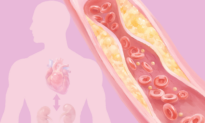
CKM Syndrome: A New Condition 9 in 10 Adults May Have–Here Are the Causes
CKM syndrome progresses through stages, and you can move backward through them—not just forward.

Are Seed Oils Secretly Making You Fat? How Cutting Calories Hurt ‘Biggest Losers’ — Georgi Dinkov
Seed oils may be quietly driving the modern obesity epidemic, according to metabolic-health writer Georgi Dinkov — and the culprit isn't sugar, he says, but the industrial cooking oils that ...

Scientists Discover an Unexpected Way to Boost Beet Juice’s Blood Pressure Benefits
Improvements in the oral microbiome and increased saliva acidity appeared to enhance the body's nitrate–nitrite–nitric oxide pathway.
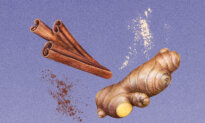
2 Simple Spices May Enhance Beneficial Gut Bacteria
Your morning yogurt might be missing two ingredients that could give your gut bacteria a boost.

After a New AHA Statement, a Cardiologist Changed His Mind About Coffee
New guidance from the American Heart Association highlights the nuanced effects of coffee, from brewing method to daily intake and personal health.

7 Surprising Benefits of Sauna Heat
Heat works through several mechanisms to boost cardiovascular, metabolic, and mental health, as well as longevity.
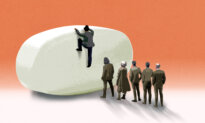
The New Cholesterol Pill Isn’t for Everyone. Here’s How to Tell.
Lipfendra cuts LDL as sharply as the injections it replaces. Whether it prevents a single heart attack is a question no one can answer until 2029.

This Is Your Brain on Silence
A cardiologist set out to measure the effects of music on the human body, but the strongest finding wasn't in the music itself. It was the silence he'd inserted between ...

Health Issues Associated With Cervical Spine Disorders and How to Manage Them
Regular daily care can help maintain the stability of the cervical spine and the surrounding muscles.
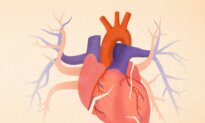
What Standard Cardiac Testing Fails to Capture
The four dimensions of heart health that matter most.
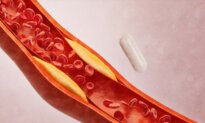
Vitamin K2 May Help Slow Artery Hardening, Study Finds
Cardiologists say more research is needed before recommending it for heart disease prevention.
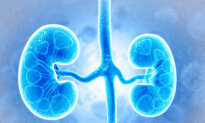
5 New Discoveries About Kidneys Are Changing How Scientists Think
New research suggests the kidneys influence more than fluid balance—from salt cravings and blood pressure to how the body recovers from injury.

The Everyday Habits That May Help Lower Blood Pressure Naturally
High blood pressure is more than a reading on a monitor.
Dairy Trans Fats Don’t Raise Heart Disease Risk, New Study Finds
The trans fats in your butter are nothing like the kind in processed foods.
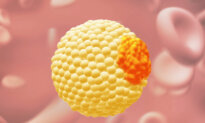
Why ApoB May Be a Better Test Than Cholesterol
Two people can have the same cholesterol level but very different heart disease risk. A simple test may explain why.

When the Mind Breaks, So Can the Heart
Large study finds mental and heart health are closely linked.
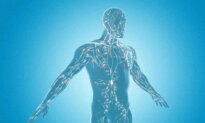
The Overlooked System That May Hold the Key to Heart Health
One of the body's circulatory networks removes waste, excess fluids, and inflammatory debris—including trapped cholesterol.

BBQ Recipes That Support Gut and Metabolic Health
Three recipes deliver classic cookout flavor without refined sugar, seed oils, or ultra-processed shortcuts.

How Many Servings of Ultra-Processed Foods You Eat Affects Heart Risk
Black Americans showed a more than double rate of risk increase compared with other populations included in a recent study.
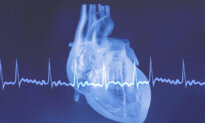
The Racing Heartbeats You Need to Pay Attention To
Knowing what signs to watch for can be the difference between life and potential death.

How Helping Others May Slow Brain Aging
Acts of kindness may be one of the most effective antidotes to dementia.

Why Snoring May Be an Early Sign of Sleep Apnea
A sleep specialist explains when snoring is harmless—and when it could be a health warning.