



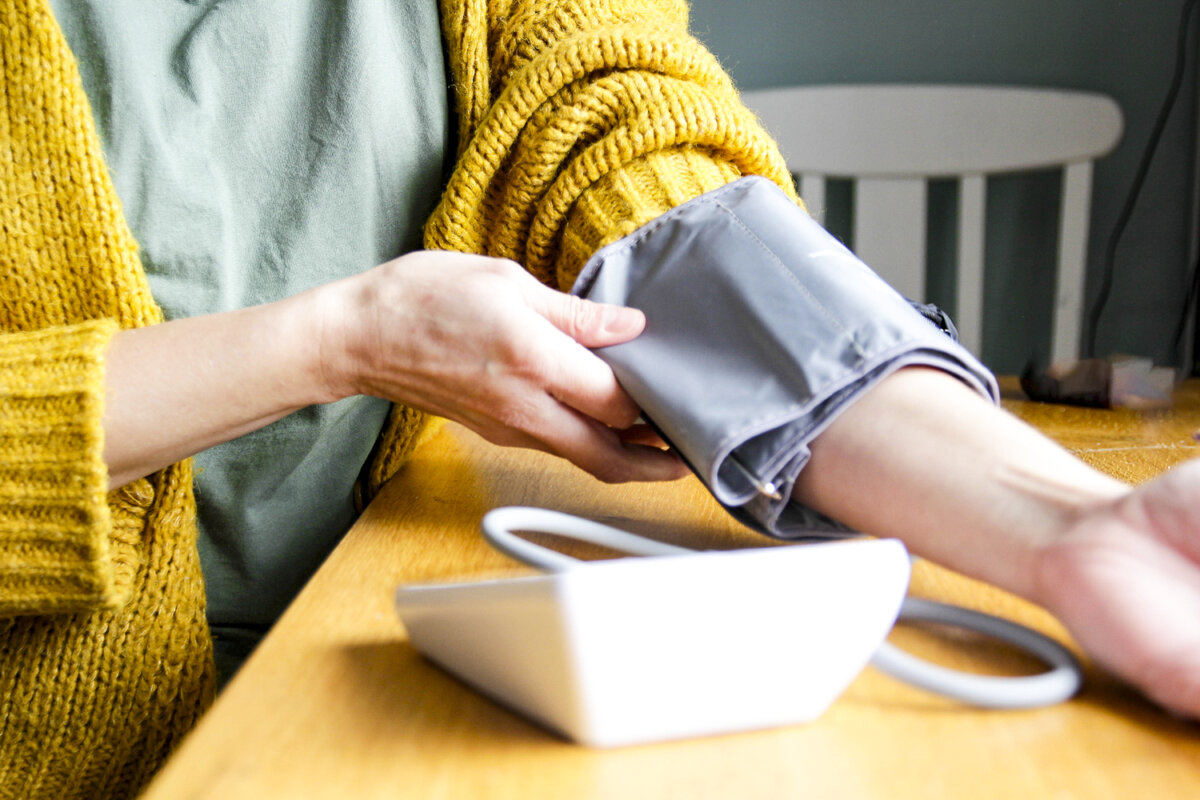
One of my patients left a particularly deep impression on me. For years, his blood pressure remained stubbornly high—between 180 and 200. Despite regular doctor visits and long-term medication, his readings fluctuated, causing him constant anxiety. After just two to three months of traditional Chinese medicine (TCM) treatment, his blood pressure gradually stabilized and dropped below 140.
When the patient asked how I had managed to lower his blood pressure, I told him that I did not simply use antihypertensive drugs to suppress the numbers. Instead, I identified the real reason his blood pressure was elevated—namely, long-term accumulated emotional stress.
I always want to remind people that high blood pressure is more than a reading on a monitor—it’s a warning from the body, reflecting long-standing imbalances in the body and in one’s lifestyle.
Approximately 90 percent of hypertension cases are classified as essential (primary) hypertension, meaning that no clear cause can be identified.
I once read about a striking case in the book, “The Hypertension Revolution,” by Dr. Chen Zhiming, who wrote that his father had taken blood pressure medication for many years. Although his readings appeared stable, he still died of a heart attack in his 60s.
In most cases, medication alone can only control blood pressure temporarily and may not address the underlying problem. If blood vessels become stiff because of long-term oxidative stress, inflammation, or cholesterol buildup, the heart must work harder, placing a greater burden on it. Gradually, not only can hypertension become more difficult to improve, but it may also lead to cardiac hypertrophy and even heart attacks.
Therefore, the key to controlling high blood pressure, in addition to medication, is to identify the factors that may be contributing to its elevation, such as an unbalanced diet, lack of exercise, insufficient sleep, and chronic stress or emotional distress.
Chronic Anxiety Keeps Blood Pressure Consistently High
Many people are unaware that emotions are actually a major factor affecting blood pressure.
When a person is angry, anxious, tense, or under excessive stress, the sympathetic nervous system remains constantly active. This causes a faster heart rate and blood vessel constriction, which in turn raises blood pressure. If this state persists over the long term, blood pressure can easily remain stubbornly high.
From a TCM perspective, “anger forces the qi [vital energy] upward.” Excessive emotional fluctuations can easily lead to liver qi stagnation or hyperactivity of liver yang, further resulting in problems such as headaches, insomnia, palpitations, and elevated blood pressure.
The patient I mentioned was not primarily struggling with diet but rather with chronic high-level anxiety, constantly worrying about work and family issues. As his emotions gradually stabilized and sleep quality improved, his blood pressure also began to return to normal.
Of course, emotional management is only one part of preventing and treating hypertension. To truly protect the blood vessels, it is also necessary to address diet, exercise, and overall lifestyle habits.
Anti-Inflammatory Benefits of the Mediterranean Diet
What you eat every day has a greater effect on your blood pressure than you might imagine.
I have a friend with hypertension who usually takes his medication on time and keeps his blood pressure fairly well controlled. However, on one occasion, he attended a banquet and ate large amounts of foods high in sodium and saturated fat. That very evening, his blood pressure spiked to 170, and the next day, he even experienced numbness in his legs and dizziness. His doctor warned him that if he continued eating like that, he could very well suffer a stroke.
High-sodium and high-saturated-fat foods increase the burden on blood vessels, promote inflammatory responses, and, in turn, affect blood pressure control.
Studies have found that people who follow a Mediterranean diet over the long term have a significantly lower risk of developing hypertension. The Mediterranean diet helps reduce chronic inflammation, maintain vascular elasticity, and may also lower the risk of dementia and cardiovascular diseases.
The Mediterranean diet is easy to follow—just remember these three key principles:
- Eat Healthy Oils: I recommend olive oil or Taiwanese camellia oil—both are rich in monounsaturated fatty acids, which help reduce inflammation in the blood vessels. In contrast, oils that contain higher amounts of omega-6 polyunsaturated fatty acids—such as corn, sunflower, and soybean oil—should not be eaten in excess, as they may promote inflammation.
- Focus on Vegetables: Eat at least two kinds of vegetables at each meal, such as sweet potato leaves, spinach, or mushrooms, to supplement potassium and dietary fiber and to help remove excess salt from the body.
- Eat More Fish and Less Red Meat: Eat fish two to three times per week, such as mackerel, Pacific saury, or milkfish, and reduce red meat intake.
A Simple Exercise That May Lower Blood Pressure
In addition to diet, exercise is equally important.
I highly recommend one particularly simple yet highly effective method—handgrip strength training.
The exercise is straightforward—clench your fist tightly for two minutes, rest for one minute, and repeat the cycle four times. Perform it three times per week.
Do not underestimate the power of this simple fist-clenching action. A study involving 324 patients with hypertension found that after eight to 10 weeks of consistent grip strength training, participants’ systolic blood pressure decreased by an average of 8.11 mmHg—an effect comparable to that of taking a blood pressure-lowering medication.
Fist clenching is a form of isometric contraction exercise. Although it may appear that the body is not moving, the muscles remain under continuous tension. Sustained contraction can increase nitric oxide levels in the bloodstream, helping blood vessels relax and dilate.
Research has also found that for every 5-kilogram decrease in grip strength, the risk of death from cardiovascular disease increases by 17 percent, while the risk of stroke rises by 9 percent. This suggests that grip strength is not only related to blood pressure but is also an important indicator of heart and brain health.
2 Morning Habits That Can Protect Your Heart
Managing blood pressure is more than numbers on a monitor—it is also important to pay attention to high-risk periods during the day. After waking up in the morning, blood pressure, heart rate, and stress hormone levels naturally rise. As a result, the early morning hours are when cardiovascular and cerebrovascular events are most likely to occur. Studies have shown that the risk of stroke between 6 a.m. and noon is 79 percent higher than during the other 18 hours of the day.
First, never jump out of bed immediately upon waking. Sudden movements can cause more pronounced fluctuations in blood pressure and may even trigger orthostatic hypotension, leading to dizziness and falls. I recommend the following routine: Upon waking, remain lying down and perform “air cycling” movements with your legs for 30 seconds. Then sit up and wait for 30 seconds before standing. Once standing, spend another 30 seconds stretching your body. This gives your blood vessels enough time to adjust gradually.
Second, avoid washing your face with cold water in the morning. When the skin is exposed to cold water or cold air, the sympathetic nervous system becomes more active and peripheral blood vessels constrict, which can cause blood pressure to spike suddenly. Instead, it is advisable to wash your face with warm water to reduce the strain on your heart and blood vessels.
Emergency Self-Help Tip for Blood Pressure Surges
If your blood pressure suddenly spikes, apply pressure to the inner gate (neiguan, PC6) acupoint immediately. The inner gate is commonly used as an “emergency acupoint” and is believed to help relieve acute chest discomfort, palpitations, or a sudden rise in blood pressure.
The inner gate is located on the inner forearm, approximately three finger-widths above the wrist crease, between the two prominent tendons. Apply firm pressure to this point for 30 to 60 seconds. The symptoms may ease as a result.
Important: If you experience severe chest pain, shortness of breath, weakness on one side of the body, difficulty speaking, or other symptoms of a heart attack or stroke, seek emergency medical care immediately.
High blood pressure is more than a number—it is often a sign that the cardiovascular system is under strain.
Medications remain an important part of treatment for many people, but long-term improvement also depends on addressing the factors that contribute to hypertension. A diet rich in vegetables, healthy fats, and fish, regular exercise, stress management, and healthy morning habits can all support better vascular health.
Small changes practiced consistently can help stabilize blood pressure, protect the heart and brain, and reduce the risk of serious complications over time.
Views expressed in this article are the opinions of the author and do not necessarily reflect the views of The Epoch Times. Epoch Health welcomes professional discussion and friendly debate. To submit an opinion piece, please follow these guidelines and submit through our form here.