


Cancer refers to the abnormal development of cells that grow and divide uncontrollably and destroy normal body tissue. There are many different types of cancer. Gene mutations resulting in abnormal cell behavior are believed to cause cancer. Gene mutations can happen prenatally or postnatally. Postnatal cancer-causing conditions include smoking, radiation, viruses, cancer-causing chemicals (carcinogens), obesity, hormones, chronic inflammation, and lack of exercise. The symptoms and treatment methods vary depending on the type of cancer. Some common symptoms include lumps under the skin, fatigue, weight changes, pain, unexplained bleeding or bruising, etc. Doctors have identified several ways to reduce your risk of cancer, such as exercise, a healthy diet, avoiding prolonged sun exposure, moderate or no alcohol intake, no smoking, and regular cancer screening. In addition to conventional cancer treatments such as surgery, chemotherapy, radiation therapy, new kinds of treatments, including targeted therapy and immunotherapy are promising a new era in cancer treatment.

How 1 Man Defied Deadly Lung Cancer for More Than 7 Years
New immunotherapies are improving survival for some patients with small cell lung cancer.

Dandelion Shows Promise Against Cancer. Human Trials Are Needed
Lab studies over the past two decades show dandelion extract triggered death in a variety of cancer cells, while leaving healthy cells unharmed.

How to Make Tomato Soup to Get More Cancer-Fighting Compounds
Gazpacho turns peak-season tomatoes and extra-virgin olive oil into a hydrating, no-cook dish that helps the body absorb antioxidant-rich lycopene.
5 Antivirals to Shield Against Breast, Prostate, Colon Cancers—Neurosurgeon
A neurosurgeon says that combining antiviral treatment with conventional cancer therapy could change outcomes—and the tools to do it are already available. The virus is found in high concentration in ...
Virus Carried by 50 Percent of Adults Could Alter Breast, Prostate, Colon Cancer
Cytomegalovirus, carried silently by more than half the adult U.S. population, has been found in 100 percent of the most aggressive brain tumors—and in nearly all breast, prostate and colon ...

BEMT Is Newly Approved. How Does It Compare With Other Sunscreen Ingredients?
Dermatologists have been waiting for bemotrizinol for years. Here’s what makes it different from existing UV filters and what you should know about it.

More Young Adults Are Dying From Rectal Cancer–Early Signs Often Go Unnoticed
Once considered a disease of older adults, colorectal cancer is now causing a rising number of deaths among people under 45.

Mammography: A Widely Used Breast Cancer Screening Tool—Here Are the Key Facts
Mammography is the most commonly recommended screening test for breast cancer, but concerns about overdiagnosis and overtreatment remain.
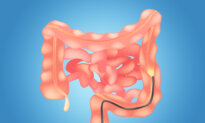
Single Sigmoidoscopy Cuts Colorectal Cancer Risk for More Than 20 Years
A 23-year study found lasting reductions in colorectal cancer risk and deaths after one flexible sigmoidoscopy, especially in men.
Testosterone May Slow Brain Cancer Growth
The findings of a new study upend decades of assumptions about male hormones and cancer.
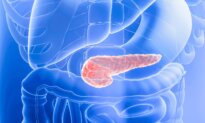
New Drug Extends Survival for Patients With Pancreatic Cancer
Researchers say the findings mark one of the most promising advances in pancreatic cancer treatment in decades.
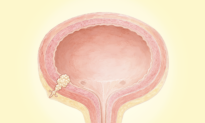
Bladder Cancer: Most Common Cancer of the Urinary System–Here Are the Warning Signs
The tenth leading cause of cancer death that can mimic a urinary tract infection or postmenopausal bleeding in women.

The Unexpected Connection Between Marriage and Cancer Risk
A recent study sheds light on the link between social ties and cancer risk.
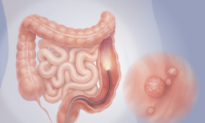
Colonoscopy: The Most Used Screening Test for Colon Cancer, Here Are the Benefits and Risks
There is ongoing debate about who should undergo a colonoscopy and when.
This Aggressive Lung Cancer Often Hides Until It’s Too Late
Experts on the 'Health 1+1' program shared insights into treatment options for aggressive small-cell lung cancer.
Popular Anti-Aging Vitamin Might Affect Pancreatic Cancer Treatment
A popular NAD-boosting supplement made pancreatic cancer cells more resistant to chemotherapy in lab and animal models.

How an 80-Year-Old Doctor Fought Prostate Cancer
Weight lifting, daily walking, and run–walk intervals can help cancer patients fight fatigue, preserve muscle, and improve survival.
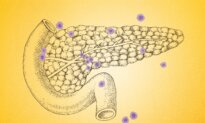
7 Overlooked Warning Signs of Pancreatic Cancer
What makes pancreatic cancer dangerous is that it starts quietly and is often detected too late.

Five Ways Cancer Takes Hold—and How Daily Habits Disrupt It
New research shows that nearly 40 percent of cancers are preventable.

Lemongrass Shows Anti-Cancer Potential Without Harming Healthy Cells, Preclinical Studies Suggest
Lemongrass has long been used in cooking and traditional medicine, and it now shows potential in treating cancer, without harming healthy cells.
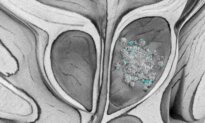
Microplastics Found in 9 of 10 Prostate Cancer Samples in Pilot Study
Researchers caution that larger studies are needed before any causal link can be established.

Cooking, Processing, and the Real Cancer Risks of Meat
When it comes to cancer, how meat is prepared and what it is eaten with matters more than whether you eat it.
The Overlooked Organ Linked to Longevity
New research in more than 50,000 adults links thymus health to longevity and disease risk.
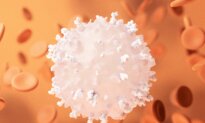
Lymphocytes: The Cancer Fighters We May Be Overlooking
Cancer is a dysfunction of our immune system’s ability to recognize and control certain cells; simple, daily habits can strengthen and support that ability.

Melanoma: The Aggressive Skin Cancer That Can Spread Quickly–Here Are the Warning Signs
Despite its reputation as one of the leading causes of skin disease–related deaths, melanoma is highly treatable when detected early.
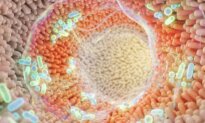
Your Gut Microbiome Could Affect Colon Cancer—What You Can Do
Colorectal surgeon Dr. Cedrek McFadden's top advice is to keep things simple.

Anti-Cancer: Plants Versus Meds in Activating Immune Shield
What if there’s more to cancer treatment than ‘attacking the tumor?’