


At one level, your body is an impossibly complex symphony of electrical impulses and chemical chain reactions fueled by sunshine, the air you breathe, and the food you eat. Food has three basic nutrients: protein, carbohydrates and fats. They are often referred to as macronutrients, and they give our bodies calories, glucose, amino acids, and fatty acids needed for our metabolism and daily functions. Your body also needs a diverse array of vitamins, minerals, and other compounds to function properly. And you’re not just feeding yourself, you also support a community of symbiotic bacteria and fungi in your gut that play diverse essential roles. Unfortunately, we live in the age of hyperpalatable processed foods: cheap, addictively tasty, and high in calories, these foods are linked to the most pervasive killers of our day, from heart disease to diabetes. While fruits, vegetables, whole grains, mushrooms, and meats are the basis of a nutritious diet, processed foods made from over-processed grains, refined sugars, and denatured oils nurture disease. These cheap and tasty foods have great shelf life—and deadly consequences. You can get more nutrients from your food depending on how you cook it. Some foods are healthier if cooked more, chopped more, or eaten at certain times of year. It is also important to grow foods in living soils that can offer a full spectrum of essential minerals and nutrients—without the effects of toxic herbicides and pesticides and the still largely unknown consequences of genetic modification.

How a Brain Surgeon Recovered From Midlife Burnout and Stays Active at 85
Protecting brain health demands proactive, balanced living–guarding against chronic burnout and stress, aging, and other stressors.

Your Gut Makes Its Own GLP-1–Here’s How
Many people think that GLP-1 shots are the only way to control appetite and lose weight. However, these medications just mimic the effects of a hormone that your body already ...

New PFAS Pesticides Are Entering Our Food System, Revealing a Conundrum
What makes these pesticides appealing is also what makes them dangerous.

Corn: A 9,000-Year-Old Staple With 3 Main Health Benefits
However, the corn once revered by ancestors is no longer as natural, with more than 90 percent of U.S. corn currently genetically modified.

Alzheimer’s May Be the Brain’s Energy Crisis: A Neurologist
Caring for your metabolic health in middle age plays a key role in preventing Alzheimer’s.
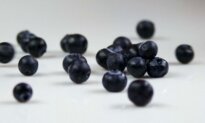
The Best Way to Eat Blueberries
Blueberries are packed with antioxidants, but whether you're getting their full benefits depends on preparation, pairing, and storage.
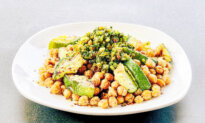
Roasted Zucchini and Chickpeas for Healthy Blood Pressure
An easy sheet pan dinner combines tender zucchini, crispy chickpeas, and garlic with a fresh pistachio-basil gremolata rich in fiber and healthy fats.
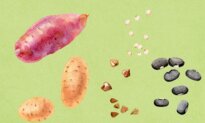
The Anti-Inflammatory Carbs Your Diet Might Be Missing
Certain carbs, such as sweet potatoes, legumes, and buckwheat help fight inflammation.

How Artificial Food-Dyes Affect Children’s Behavior
Many clinicians recommend that artificial food dyes be avoided, especially for children with ADHD. However, one problem is that artificial food dyes are everywhere. So how do we avoid them? ...

The ‘Healthy’ Choices That Can Backfire for People With Kidney Disease
Some products marketed as healthier alternatives may contain hidden ingredients that can affect kidney health over time.

Zucchini Noodles With Parsley-Pistachio Pesto and Salmon: A Low-Carb Twist on Pasta Night
Zoodles with about one-tenth the carbohydrates of refined wheat pasta pair with salmon and a bright parsley-pistachio pesto for a fresh, satisfying dinner.

The Protein Your Joints Can’t Live Without
Most people think of collagen as a skincare ingredient, but it’s actually one of the body’s most important structural proteins. Its name comes from the Greek word for “glue,” which ...

He Lost 15 Percent of His Weight—Why His High Cholesterol Persisted
Taking blood pressure medication and paying attention to diet are both important.

Lithium: A Trace Mineral With Far-Reaching Effects on the Brain and Body
Once known only as a bipolar medication, lithium is drawing new attention as a possible essential nutrient.

Rooibos Tea May Reduce Inflammation and Protect the Aging Brain
An exotic South African tea offers more than its unique flavor.

Why Chocolate Makes You Feel Good
Cocoa can help reduce symptoms of depression and improve mood, especially when you’re under stress, so opting for chocolate with a higher cocoa percentage is your best bet. How much ...
Eating Ultra-Processed Foods Linked to Smaller Key Brain Regions in Young Children
Every 10 percent increase in cumulative UPF consumption was linked to nearly 2 percent smaller subcortical brain regions.

From Pasture-Raised to Free-Range: What Common Chicken Labels Actually Mean
Chicken labels describe farming methods, not nutrition.

Sugary Drinks Linked to Higher Blood Pressure Risk Decades Later
The study, published in Circulation, tracked more than 25,000 U.S. children and teens for up to 25 years.

Why You Need to Eat More Bitter Foods
New research has shown that eating bitter foods is linked with healthier fat distribution, reduced inflammation, improved digestion, and detoxification. Bitter foods such as arugula, broccoli rabe, radicchio, spinach, chicory, ...
You Don’t Have to Give up Carbs to Control Blood Sugar—Change How You Eat Them
Eating the right foods, in the right order, is key to blood sugar control.
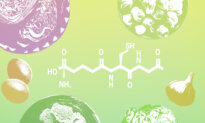
Your Body’s ‘Master Detoxifier’ May Be Running on Empty
Glutathione powers your body's natural detox system but most supplements fail to deliver it where it counts.


A Colorful Bowl Packed With Eye-Protective Nutrients
This grain bowl with zucchini and kale is rich in nutrients that help protect your eyes from everyday damage.

Post-Meal Drowsiness–A TCM Practitioner Reveals the Likely Culprits
Several factors come together to create after-meal fatigue.

10 Things to Avoid if You’re Determined to Lose Weight
Fat loss is rarely ruined by one big mistake.

Why People In One Mysterious Village Live to 100 Years Old
There's a village in the mountains of southern China where living past 100 is unusually common. Researchers spent years testing the water, studying the soil, and analyzing residents' DNA, looking ...