


Stroke
A stroke can occur in one of two ways. A blood vessel in the brain can be blocked or can break and bleed. Ischemic strokes are when a blood vessel to an area of the brain is blocked and blood flow ceases. Brain tissue needs a constant supply of oxygen and when blood flow stops, the brain tissue can die within minutes from lack of oxygen. Hemorrhagic strokes occur when a blood vessel in the brain breaks and blood leaks out into the surrounding tissue causing damage to brain cells. Symptoms of a stroke include: trouble speaking or understanding speech; paralysis of the face, arm, or leg, usually on just one side of the body; sudden blurred, blackened, or double vision; severe headache with or without nausea; and trouble walking. A stroke is a condition that requires immediate medical attention, even if symptoms are short lived or start to dissipate.
The Racing Heartbeats You Need to Pay Attention To
Knowing what signs to watch for can be the difference between life and potential death.
Atherosclerosis: The Silent Buildup Narrowing Your Arteries—Warning Signs to Watch For
Often called a “silent” disease, atherosclerosis can progress for years without symptoms—until it leads to heart attack, stroke, or other serious complications.
Heart Disease: When Chest Pain Becomes Serious–Treatment Options and Natural Approaches
Heart disease affects millions of people and is the leading cause of death among both men and women.
Fish Oil Nearly Halves Heart Attack Risk in Kidney Patients
A major clinical trial showed that treating three dialysis patients with fish oil may prevent one heart attack, stroke, or death.
Staying in Standard Time Could Prevent 300,000 Strokes Annually
The body's circadian rhythms vary due to different levels of sunlight exposure. The key lies in the morning light.
Gum Disease Linked to Nearly Doubled Stroke Risk in Major Study
Experts say regular dental care may protect your brain and heart.
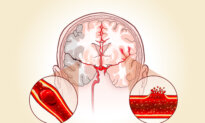
Stroke: A Condition That Occurs Every 40 Seconds With Lasting Effects–Watch Out for Signs
It is largely preventable as over 80 percent of strokes can be avoided.
A Powerful Duo for Heart Health: Buckwheat and Chinese Hawthorn Porridge to Prevent Stroke
A traditional porridge that supports circulation, lowers cholesterol, and protects blood vessels.
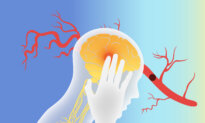
Stimulating the Vagus Nerve May Help With Stroke Recovery—Here’s How
The nervous system is highly adaptable, and with proper stimulation, recovery is more achievable than once thought.

How a Healthy Heart Boosts Your Body From Head to Toe
Seven lifestyle tweaks that protect your heart and your whole body.
The Unrecognized Link Between Mini-Strokes and Lasting Fatigue
Simple lifestyle changes may help prevent lingering exhaustion after a mini-stroke.

Common Sweetener May Harm Brain and Heart Health
Erythritol may affect blood vessel function, although experts emphasize that findings are early and require further investigation.

Another Reason to Floss: Protection From Stroke
In addition to supporting oral health, flossing may protect the heart and brain, according to recent research.
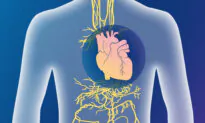
Activating the Vagus Nerve: An Overlooked Approach to Improving Heart Function
Improving vagal tone and heart coherence boosts well-being, according to the experts.
Noncigarette Tobacco Products Linked to Cardiovascular Risks: Study
The recent large-scale study included about 103,000 participants and investigated the effects of cigars, pipes, and smokeless tobacco.
People Living Near Airports Face Greater Heart Risks
Nighttime noise exposure can lead to stiffer, thicker heart muscles and higher cardiac event risks, according to a recent study.
Fish Oil Supplements May Increase Atrial Fibrillation Risk for Some
Research has been mixed with regard to fish oil supplementation for heart disease. Find out who may benefit, who should avoid it, and how much to take.

Unexplained Changes in Cholesterol May Point to a Higher Risk of Dementia
Older adults with fluctuating cholesterol levels may need to engage in preventive measures to help keep their lipids in a healthy range.
Study Links Heart Problems to 50 Percent Higher Cognitive Impairment Risk
New research shows a strong connection between cardiovascular health and cognitive decline, emphasizing early intervention to preserve brain health.
Study Links Constipation to Increased Heart Attack and Stroke Risk
Constipation in hypertensive patients increases the risk of heart attack or stroke by about 1.7 times, according to new research.
Aspirin, Remarkable for Preventing Heart Attacks, Is Not for Everyone
Although some live by the phrase, 'An aspirin a day keeps the doctor away,' the scale weighing aspirin’s benefits and risks has tipped for certain groups.

Do These 2 Things Before Drinking Morning Coffee
Plus, discover 10 evidence-based reasons to drink a daily cup of coffee.
Up to 80 Percent of First Strokes May Be Preventable: New ASA Guidelines
The American Stroke Association updated its guidelines for the first time in 10 years.

Staying up Late: The Leading Cause of Stroke in Young Adults
Recent data from the U.S. Centers for Disease Control and Prevention (CDC) shows a concerning trend: between 2011 and 2022, the prevalence of stroke among working-age adults increased by 15 ...

Hidden Heart Risks of Obstructive Sleep Apnea: What You Need to Know
Waking up throughout the night and feeling fatigued during the day could be a sign your heart is at risk.

Fixing the Hidden ‘Gut Factor’ in Women’s Hormone Health—Reduce UTI, STD, Depression
Can hormones be balanced by the microbiome? Can UTIs, STDs, and postpartum depression be reduced by good bacteria? Watch our exclusive episode, only on NTD. The human body is a ...

Sudden Dizziness, Numbness in Limbs May Be Warning Signs of Stroke
A renowned traditional Chinese medicine practitioner provides nine key warning signs of a stroke, as well as herbs, foods, and acupressure of benefit.