



As the summer weather warms, exercising in the heat is no small feat—it can put serious stress on your body, from raising your core temperature to triggering inflammation and gut issues.
However, new research suggests that certain dietary supplements, such as plant compounds and probiotics, might help athletes and active folks better tolerate the burn of hot weather.
Two new studies shared at the 2026 American Physiology Summit in Minneapolis in April, the main annual meeting of the American Physiological Society, suggest that certain dietary supplements may help athletes and active people better tolerate exercising in hot conditions by protecting the gut, reducing inflammation, and lowering heart rate.
Exercising in hot conditions puts extra stress on the body. When the body overheats, blood is redirected from the stomach and intestines toward the skin and muscles to help cool the body. This reduces blood flow to the gut, which can weaken its protective barrier.
As a result, toxic bacteria can leak into the bloodstream, causing inflammation and increasing the risk of heat-related illness. It’s a cascade that can affect anyone exercising outdoors, not just elite athletes.
Plant-Based Supplements Reduce Heat Stress
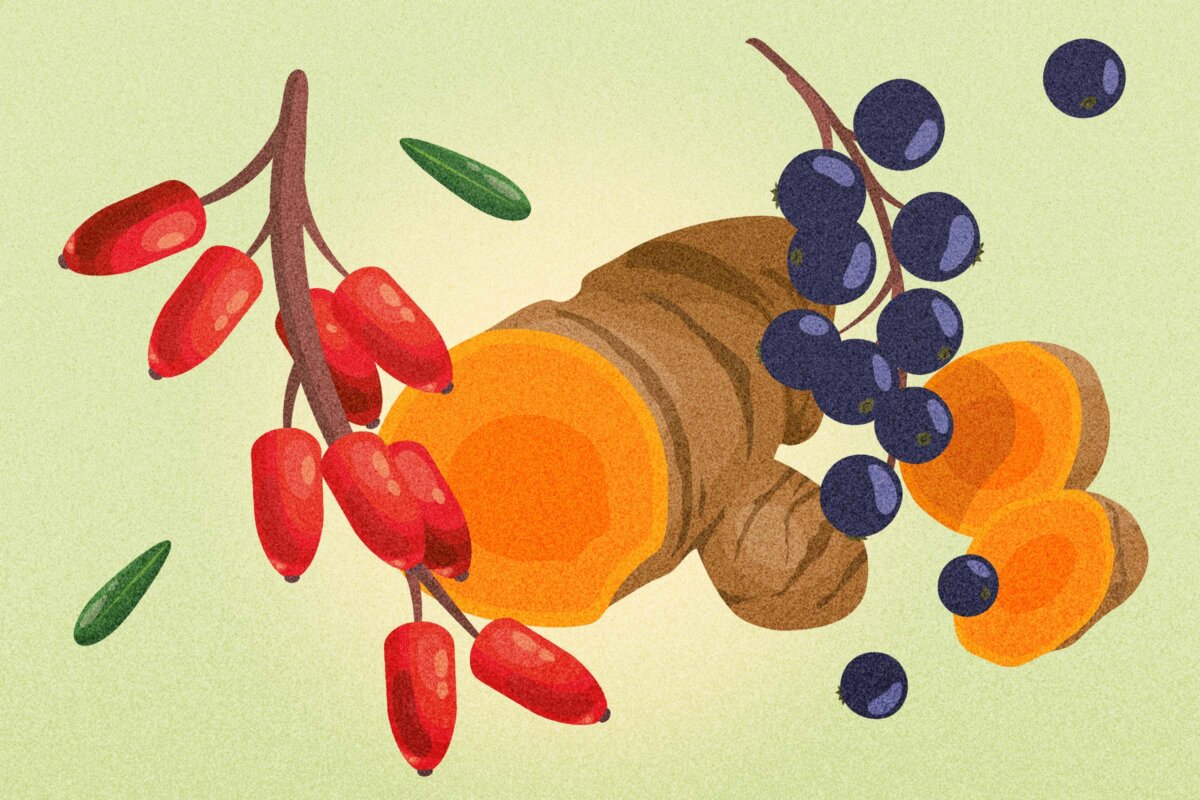
The first study put three supplements to the test—berberine, curcumin (the active compound in turmeric), and New Zealand black currant—using a series of treadmill tests in hot environments.
All three were found to lower the rise in body temperature during exercise.
Berberine and curcumin also slowed the increase in heart rate by three to eight beats per minute. A lower heart rate helps prevent cardiovascular strain and lowers the risk of heat illnesses. Participants also reported reduced perceived effort and discomfort.
Additionally, curcumin and black currant improved markers indicating gut barrier health and lowered signs of inflammation in the blood.
Study author Matthew Kuennen said in a statement that although the findings suggest that combining all the dietary supplements could offer performance benefits, that can only be confirmed by further study in a controlled laboratory setting.
Probiotics Cut Heart Rate and GI Distress
The second study focused on recreational runners who took a two-strain probiotic blend of HN019TM (Bifidobacterium lactis) and HN001TM (Lactobacillus rhamnosus), both widely available over the counter in the United States, daily for four to six weeks before treadmill runs in hot conditions.
The results were notable. Participants’ heart rates during exercise ran about 14 beats per minute lower than expected. They reported fewer gastrointestinal problems, such as bloating, stomachaches, and heartburn. Post-exercise gut leakiness decreased, several inflammatory blood markers declined, and mood scores indicated less fatigue.
“Taken together, these results suggest the probiotic blend may help athletes tolerate hard training—especially in the heat when used as part of a broader heat‑safety plan,” study corresponding author Toby Mündel, a professor of kinesiology at Brock University in Canada, told The Epoch Times, noting that there are also no risks or side effects associated with taking these probiotics.
The benefits are not limited to heat, Mündel added. Very intense or prolonged exercise under other conditions can cause similar physiological stress—so taking these probiotics in the weeks before and during such activity could be beneficial.
The two strains used in the study were first screened in the 1990s and have since been shown to be safe and well-tolerated across a wide range of populations, from infants to older adults.
Who Should Be Careful Using the Supplements
These supplements are not without caveats. Berberine, curcumin, and black currant behave more like mild pharmaceuticals than vitamins, so timing and medication interactions matter significantly, Dr. Erika Kalabacas, a family medicine physician with Northwell Health in Huntington, New York, and not involved with the study, told The Epoch Times.
“Berberine is best taken with meals and curcumin with dietary fat to help with absorption,” she said, noting that none of the three supplements should be taken while pregnant, as they could harm the developing fetus.
“Berberine can interact with diabetic medications, statins, and antibiotics,” she said. “Curcumin and black currant can interact with anticoagulants like Coumadin or Eliquis or antiplatelets like aspirin, to increase bleeding risk.”
“These probiotics can generally be found in fermented foods alongside other strains beneficial for overall gut health,” she said. “These include yogurt with live active culture, kefir, sauerkraut, kimchi.”
People with liver disease, or who take multiple prescription drugs (polypharmacy), should use these supplements with caution, and consult with their doctor before starting any supplements, she said.
The probiotics used in the second study carry no such warnings. Mündel described them as safe and well-tolerated, with no known side effects at the doses studied.
Taken together, both studies highlight the important role the gut may play in how the body responds to heat stress during exercise, and although more research is needed, the current evidence suggests that these supplements and probiotics could help athletes and others better cope with exercising in hot conditions.