


Children's Health

Diet in the First 1,000 Days Shapes Lifelong Health
First foods may affect lifelong risk of developing chronic disease.

More Parents Are Distracted by Phones. Here’s How Kids Are Affected.
Do you think you are attentive? Your teen might disagree.

Could Autism Be An Energy Problem?
For decades, autism has been understood as a condition of brain wiring. However, a growing body of research points to a more fundamental problem: The brain may simply not be ...

Why Adolescents Need to Experience the Awkward Phase
Teens develop social sophistication through awkwardness, but smartphones are diminishing the real-world practice through which those skills develop.

Antipsychotics in Teens Linked to Rising Diabetes Risk
A Dutch study of 90,000 youths finds antipsychotic use—even short-term—raises Type 2 diabetes risk, especially in teen girls.

Teen Depression Can Hide in Plain Sight—Here’s What to Watch For
A silent epidemic highlights how anxiety and depression are sweeping through a generation of American youth.

How Artificial Food-Dyes Affect Children’s Behavior
Many clinicians recommend that artificial food dyes be avoided, especially for children with ADHD. However, one problem is that artificial food dyes are everywhere. So how do we avoid them? ...

Something in the Environment Could Be Driving Up Autism
Chemicals in the environment have sharply risen in the past century, and the effects pass from generation to generation.

The ‘Minor’ Surgery That Follows Kids for Decades
Millions of people grew up thinking their tonsils were useless lumps of tissue. Surgeons remove them from half a million children every year in the United States alone. Then researchers ...

The Benefits Toys Can Give Children That Screens Never Will
Toys profoundly affect children's brain development—and beyond.
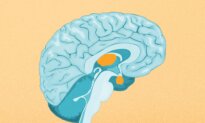
Eating Ultra-Processed Foods Linked to Smaller Key Brain Regions in Young Children
Every 10 percent increase in cumulative UPF consumption was linked to nearly 2 percent smaller subcortical brain regions.

How a Mother’s Diet During Pregnancy May Lower a Child’s Autism Risk
A balanced prenatal diet, with occasional indulgences, supports healthy fetal brain development.

Why Children in Daycare Get Ill So Often, and Why It’s Normal
What parents can do to reduce severity without avoiding necessary immune exposure.

The Hidden Dangers of Vaping: How E-cigarettes Can Harm the Lungs and Brain
Teaching children about the effects of e-cigarettes early may help decrease their allure.

How ADHD Is Often Misdiagnosed
A number of challenges, including feeding and sleep problems, developmental and academic delays, and social awkwardness can mimic attention deficit hyperactivity disorder (ADHD) symptoms. Yet many medical conditions are often ...

Hidden Ingredient Causing Migraines, Obesity: Neurosurgeon
It's in your salad dressing, your bread, your baby's formula, your snacks. It goes by dozens of names on food labels—natural flavors, hydrolyzed protein, hydrolyzed soy protein. And according to ...
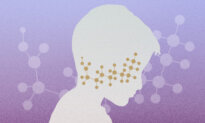
‘Forever Chemical’ Linked to Fetal Facial Abnormalities–Scientists Now Know Why
For the first time, researchers identified the precise biological mechanism behind the damage.

Why Bone and Muscle Loss Is More Than Just Aging
While osteoporosis and sarcopenia are among the most consequential aspects of aging, they are also the most preventable and reversible.

Is It a Cold or Childhood Asthma? The Symptoms Parents Should Never Ignore
Persistent coughing, wheezing, and chest tightness may be signs of asthma rather than a lingering cold.

Some Children’s ADHD Might Be a Sleep Problem. Here’s Why.
The connection between disrupted sleep and ADHD-like behavior is striking.

What Flavored Vapes Do to Your Body
Flavors do more than make vapes more addictive—they may also expose users to potentially harmful chemicals.

10 Most Common Vitamin K Shot Questions, Answered
The progressive adoption of vitamin K shots as standard of care for newborns since the 1960s leaves many concerns about necessity, safety, and effectiveness.

‘Forever Chemicals’ May Be Weakening Your Child’s Bones
A recent study found that children with higher PFAS levels had lower bone density, especially in the forearms.

The Water Safety Risk Most Parents Don’t Know About
Consistent lessons are key to helping prevent drownings—and the only way to overcome swim skill hibernation.

Which Protein, Fats for Brain Health? What’s Missing From the New Food Pyramid? | David Perlmutter MD
What does the “upside down food pyramid” look like in everyday eating terms? How do we affordably meet our daily quota of proteins, fats, and nutrients the “pyr

Study Links Phthalates to Preterm Births and Infant Deaths
Exposure to a widely used plastic chemical may be contributing to preterm births globally, raising concerns about its role in maternal and infant health.

Cannabis Slows Brain Development in Teens, Largest US Study Shows
A study of more than 11,000 adolescents found those who used cannabis had reduced gains in memory, attention, and processing speeds.