



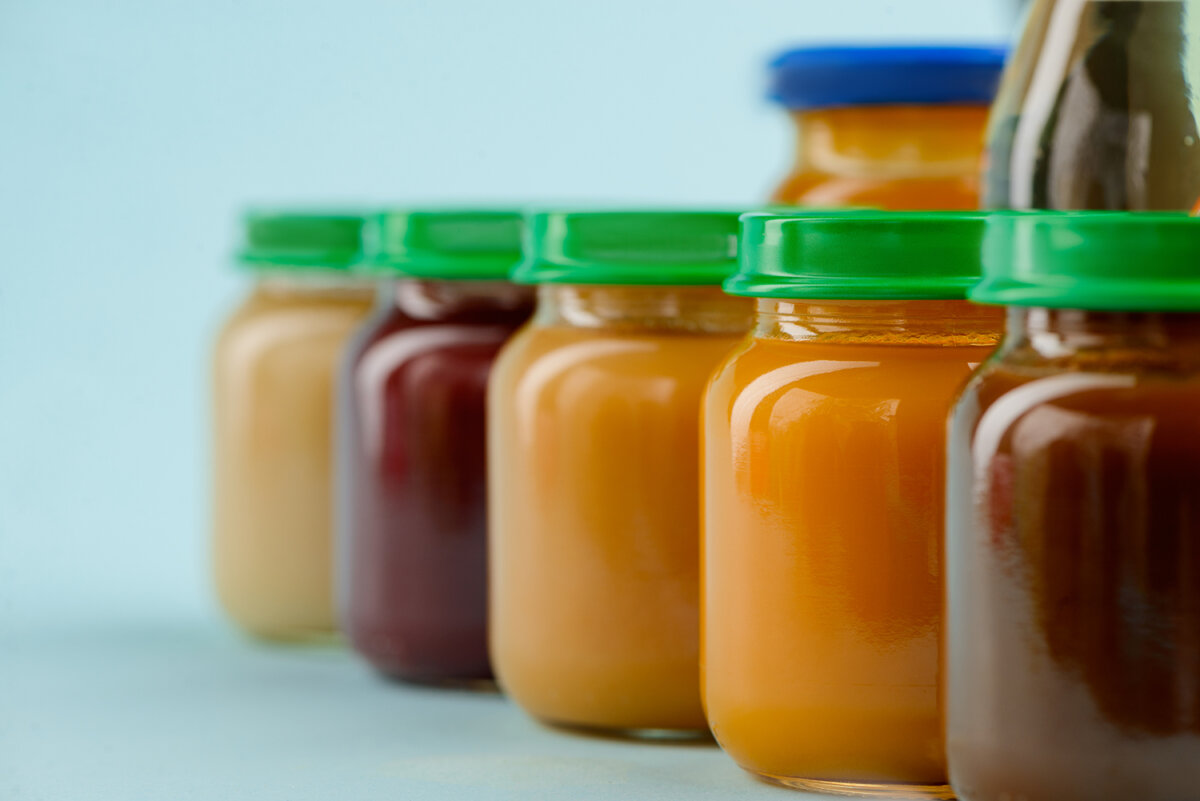
Parents scanning the baby food aisle for healthy options are likely picking up something ultra-processed—regardless of what the packaging implies.
A recent study reveals that 71 percent of infant and toddler foods, drinks, and snacks sold in the United States would be considered ultra-processed foods. According to the NOVA classification system, ultra-processed food refers to industrial formulations typically made with five or more ingredients that are not commonly found in a domestic kitchen.
Ultra-processed foods often contain additives, added sugars, and highly refined ingredients that are increasingly associated with potential health risks.
The study, published in Nutrients, examined data captured from photos of 651 products from eight of the top 10 U.S. grocery store chains between March 2023 and May 2023.
High Additives and Sugar
Researchers at The George Institute for Global Health in Australia found that additives were the most common ingredient type used in baby foods, present in 71 percent of products. Many items had long ingredient lists of up to 56 ingredients, especially snacks.
In total, more than 105 different additive ingredients were identified. The most common were flavor enhancers, found in 36 percent of foods; thickeners, in 29 percent; emulsifiers, in 19 percent; and colors, in 19 percent.
“Emulsifiers serve to improve the texture and shelf life of food products,” Erica Corwin, senior registered dietitian at the Division of Pediatric Gastroenterology, Hepatology, and Nutrition at Cohen Children’s Medical Center, and not involved in the study, told The Epoch Times.
“Color additives are commonly used in processed foods to enhance their visual appeal or to replace coloring that may have been lost during production or processing.”
Examples of ultra-processed baby foods include sweetened yogurts, instant toddler meals, fruit snacks, cereal bars, flavored milks or toddler formulas, and sugary breakfast cereals.
Ultra-processed baby foods also contained twice as much sugar and salt as their less-processed alternatives.
Additionally, ultra-processed options tended to be more calorie-dense due to added sugars and refined ingredients that lack fiber and other nutrients.
The packaging format told the story. Nearly all snack-sized packages were ultra-processed. Pouches, which have garnered a nearly 900 percent increase in sales since 2010 as a convenient option, are among the most processed.
Why It Matters for Infants
Additives such as emulsifiers and artificial colors are not merely cosmetic.
Growing evidence indicates that synthetic chemicals used as food additives could pose health risks. Research has associated some additives with conditions such as attention-deficit/hyperactivity disorder, cancer, and obesity. Additionally, new findings suggest that certain additives such as emulsifiers, artificial sweeteners, colorants, and preservatives may interfere with the gut microbiome and disrupt intestinal health.
Infancy is a critical time for shaping lifelong eating habits.
“Early dietary exposures can shape long-term preferences, and so the consumption of ultra-processed foods in excess could lead to future dietary and health issues,” Elizabeth Dunford, research fellow at The George Institute and adjunct assistant professor in the Department of Nutrition at the University of North Carolina, told The Epoch Times.
Feeding infants is about more than calories, Lindsay Malone, clinical dietitian at Case Western Reserve University, who was not involved in the study, told The Epoch Times. It is also about flavor and texture exposure.
“Babies who are exposed to a wide range of textures early may be more accepting eaters as toddlers,” Malone said. “Sometimes what looks like picky eating is really just limited exposure to different flavors and textures during infancy.”
U.S. Food and Drug Administration regulations classify ingredients in infant food into two main legal categories: approved food additives and substances “generally recognized as safe.” Although the Food and Drug Administration oversees these, the burden of safety proof often rests with manufacturers rather than the agency itself.
What Parents Can Do
Parents have more control than the baby food aisle suggests, according to Malone. Making baby food is much easier and more affordable than many parents realize, she said.
“It is simple, inexpensive, and allows parents to control ingredients,” she said.
It can be as simple as steaming a bag of frozen vegetables and pureeing it with a little water, she said. You can enhance flavor naturally with fresh herbs such as basil. Once pureed, pour the mixture into ice cube trays, freeze, and then store the cubes in a freezer-safe container.
“Parents do not need to be perfect,” she said. “Small shifts toward whole, minimally processed foods can meaningfully shape a child’s developing palate and long-term health trajectory.”
Dunford emphasized the importance of making informed choices.
“In Europe, some products require warning labels if they contain specific additives linked to detrimental health effects,” she said. “Personally, I would like to see that, in future, companies include the additive function within the ingredient list so that consumers have a clearer understanding of what they are feeding their children.”