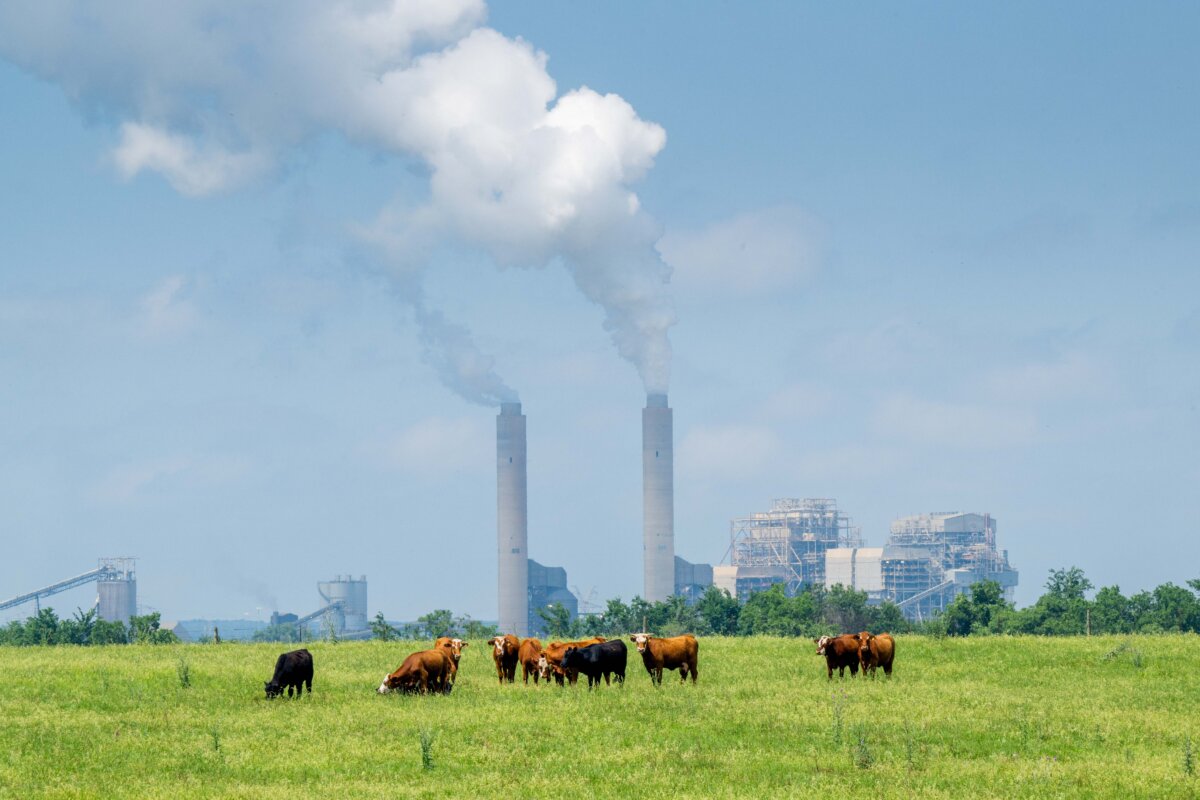

Net electricity generation in the United States hit a record in 2025, as the country produced 4.43 terawatt-hours of electricity, up 2.8 percent from the previous year, the Energy Information Administration (EIA) said in a March 5 statement.
The previous highest electricity generation was recorded in 2024. The EIA said last year’s power generation growth “contrasts with the trend of relatively flat electricity generation between the mid-2000s and early 2020s.”
“Net generation is related to electricity demand. Much of the recent growth in electricity demand comes from the commercial sector, which includes data centers, and the industrial sector, which includes manufacturing establishments,” it said.
“In 2025, U.S. retail sales of electricity to ultimate customers, which is a key indicator of demand, increased compared with 2024 in all three sectors: residential (by 2.2 percent), commercial (by 2.9 percent), and industrial (by 0.7 percent).”
This year, power plant developers and operators are projected to add 86 gigawatts (GW) of new electricity generation capacity to the U.S. power grid, according to a Feb. 20 statement from the EIA. This would be the largest annual capacity installation since 2002, beating last year’s record, 53 GW.
Solar power is expected to account for the bulk of planned capacity additions in 2026, at 51 percent, followed by battery storage at 28 percent, wind at 14 percent, and natural gas at 7 percent.
In January, the EIA estimated that wind and solar power’s combined share of total electricity generation in the country would rise from 18 percent to 21 percent between 2025 and 2027.
During this period, the share of the three main dispatchable sources of electricity generation—natural gas, coal, and nuclear—is projected to dip from 75 percent to 72 percent.
In July 2025, President Donald Trump signed an executive order ending federal subsidies for wind and solar energy projects, citing the unreliability of these power sources and the risk of dependence on foreign-controlled supply chains.
In August 2025, Interior Secretary Doug Burgum signed an order to rein in “environmentally damaging” solar and wind power projects and to ensure that federal lands are used optimally for energy initiatives.
In December 2025, eight renewable energy groups filed a lawsuit against the federal government challenging such actions, according to a January statement from Sierra Club.
Sierra Club and other environmental groups filed a brief in the case supporting the plaintiffs. The groups argued in the brief, filed on Jan. 20, that wind and solar power are critical to meeting the United States’ grid reliability needs.
The Trump administration’s actions “undermine fair markets, ratepayer affordability, and state and local efforts to meet state climate and energy mandates,” the groups said in their brief. The reliance on fossil fuels will increase, which is “an outcome that carries well-documented risks to public health, wildlife, and the environment.”
Coal Power
Trump has taken steps to boost the U.S. coal sector, including signing an executive order in April 2025 to reinvigorate the industry.
“We must encourage and support our Nation’s coal industry to increase our energy supply, lower electricity costs, stabilize our grid, create high-paying jobs, support burgeoning industries, and assist our allies,” the order read.
It also stated that the United States’ coal reserves will be critical in meeting higher electricity demand.
This was evident during Winter Storm Fern in January, when coal-fired and natural-gas-fired power generators helped meet electricity demand.
For the week ending Jan. 25, coal-fired electricity generation in the Lower 48 states increased by 31 percent from the previous week, and natural gas power generation rose by 14 percent, the EIA said in late January. In contrast, power generation from solar and wind declined.

Many coal power plants are scheduled to retire this year. The EIA expects these retirements to be delayed, continuing the trend from last year, the agency said in a Feb. 23 statement.
“In 2026, 6.4 GW of coal-fired capacity is scheduled to retire, which accounts for almost 4 percent of the U.S. coal fleet that was in operation as of the end of 2025,” the agency said.
“Coal retirements were expected to increase last year after they slowed down in 2024. However, only 2.6 GW out of an anticipated 8.0 GW of coal capacity were retired, as the [Department of Energy] issued emergency orders that temporarily postponed the retirement of large coal plants. Any renewed or new emergency orders could affect retirements planned for this year as well.”
 Friends Read Free
Copy
Facebook
Tweet
Friends Read Free
Copy
Facebook
Tweet