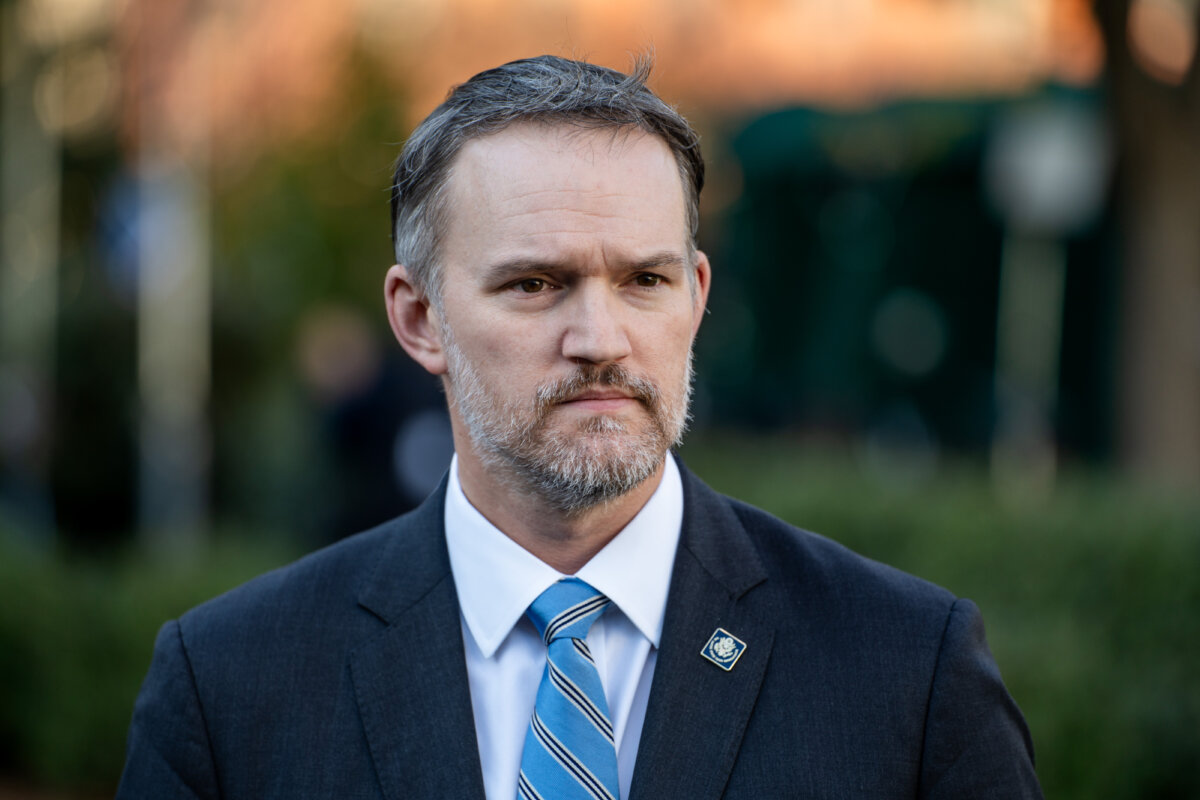

U.S. Trade Representative Jamieson Greer announced on Feb. 20 that his office will open new investigations under Section 301 of the Trade Act, potentially covering most major trading partners.
Section 301 investigations look into potential unfair trade practices by trading partners, and the Office of the U.S. Trade Representative may impose tariffs on those found to be in violation.
Greer said that the probes will counter “unjustifiable, unreasonable, discriminatory, and burdensome acts, policies, and practices by many trading partners.”
The probes came after the Supreme Court invalidated tariffs imposed by President Donald Trump on trading partners using the International Emergency Economic Powers Act.
Greer said the Supreme Court ruling affected only Trump’s reciprocal and fentanyl-related tariffs, and extensive tariffs imposed under other statutory authorities will remain in place.
He said the administration is looking at alternative tools to implement Trump’s reciprocal tariffs aimed at addressing the U.S. trade deficit in goods, countering unfair treatment by trading partners, and incentivizing the reshoring of production to the United States.
“Our partners have been responsive and engaged in good-faith negotiations and agreements despite the pending litigation, and we are confident that all trade agreements negotiated by President Trump will remain in effect,” Greer said in a statement.
The new trade investigations will cover various areas, including industrial excess capacity, forced labor, pharmaceutical pricing practices, discrimination against U.S. technology companies and digital goods and services, digital services taxes, and ocean pollution.
Greer said the probes will also look into trading partners’ practices related to seafood, rice, and other products, and he said that he plans to carry out the probes “on an accelerated timeframe.”
“If these investigations conclude that there are unfair trading practices and that responsive action is warranted, tariffs are one tool that may be imposed,” he said.
Greer also said his office will continue existing Section 301 investigations, including probes involving Brazil and China, and he said that tariffs will be imposed if unfair trading practices are found.
Following the Supreme Court ruling, Trump announced on Feb. 20 that he would issue an executive order to create a 10 percent “global tariff” by invoking Section 122 of the Trade Act of 1974. Soon after, he raised the rate to 15 percent.
Section 122 allows the president to implement a tariff rate of up to 15 percent on countries that maintain “large and serious” trade surpluses with the United States. The measure also authorizes the president to introduce limits on the volume of foreign goods entering the country.
The tariff can be applied for 150 days. An extension would require congressional approval, which could be unlikely, especially as the midterm elections near.
Andrew Moran contributed to this report.
 Friends Read Free
Copy
Facebook
Tweet
Friends Read Free
Copy
Facebook
Tweet