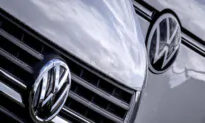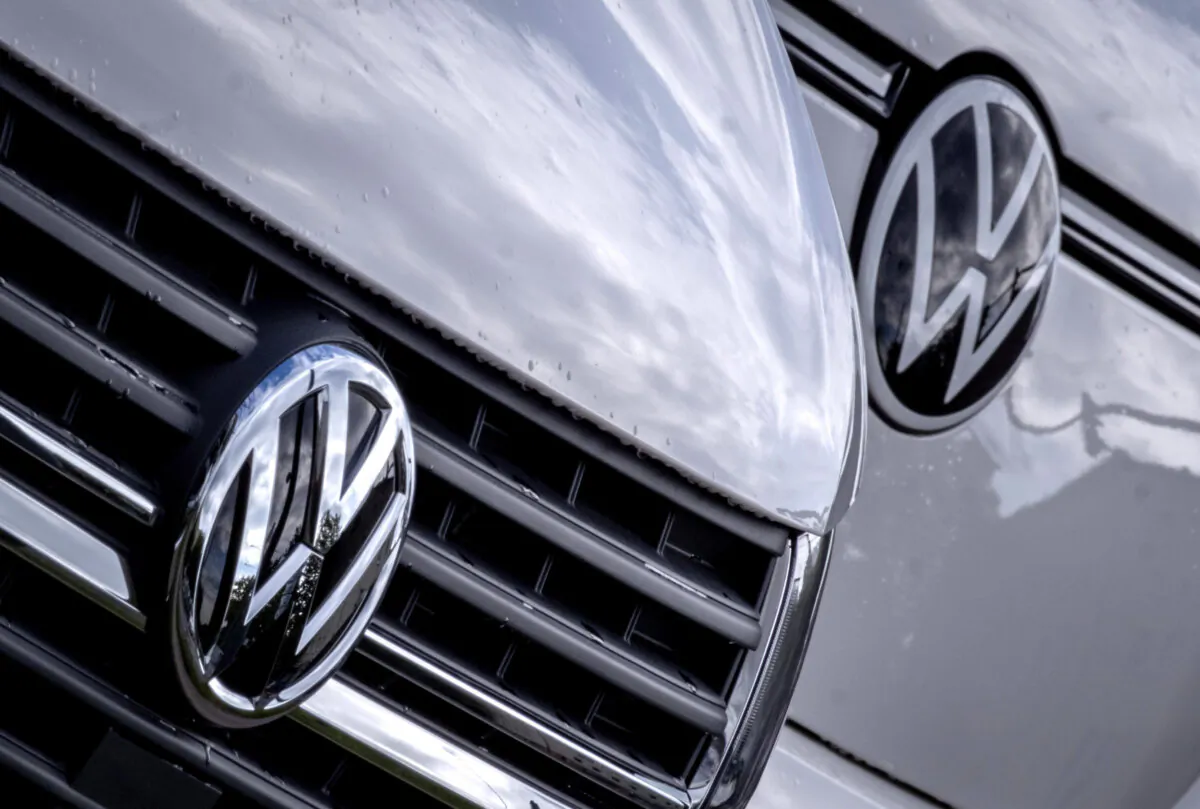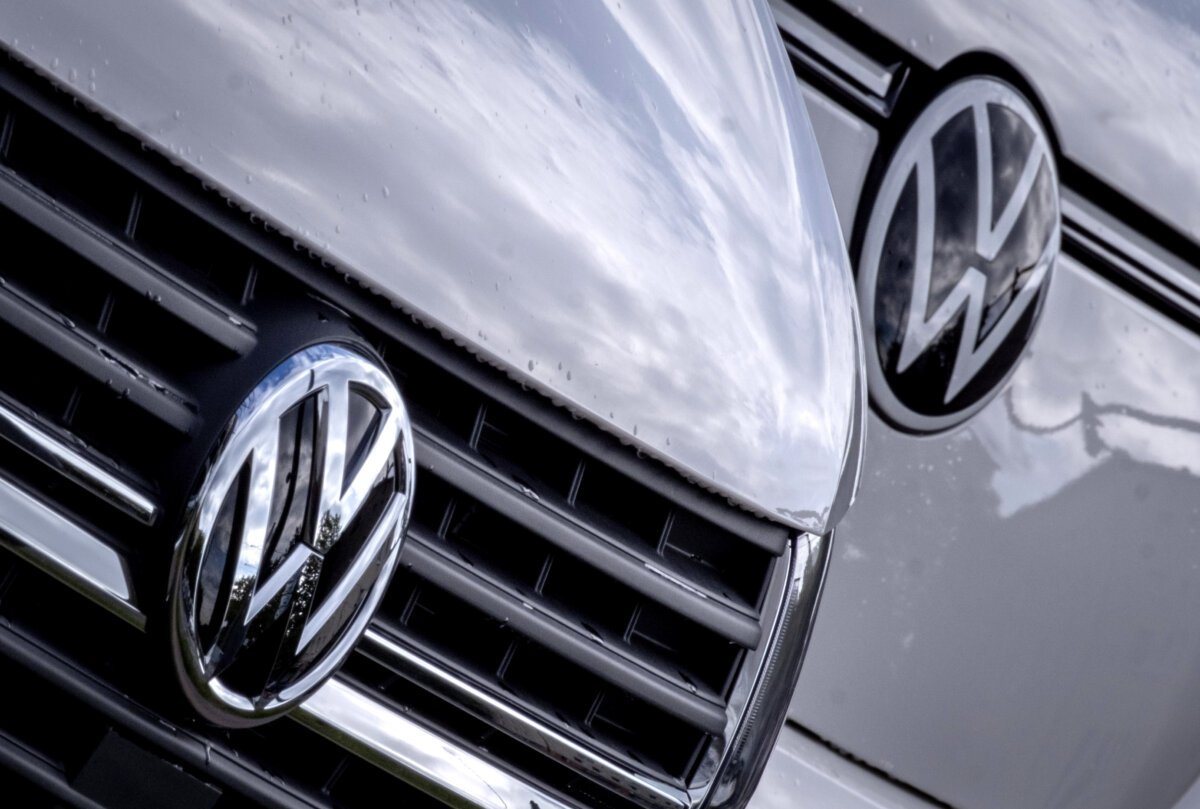

German automaker Volkswagen plans to cut 50,000 jobs at home by 2030, the company said in a letter to shareholders on March 10.
The decision was made as corporate profits declined to their lowest level in a decade.
Revenue stalled at approximately 322 billion euros ($374 billion), while operating profits plummeted to less than 9 billion euros ($10.5 billion).
Planned job cuts would affect brands Audi and Porsche, as well as its software subsidiary, Cariad.
The 10-brand automotive giant had previously reached a deal with trade unions at the end of 2024 to reduce headcount by 35,000 by 2030. The move was part of the cost-cutting initiative.
“We are on course to meet our goal of achieving net annual cost savings of more than €6 billion [$6.96 billion] across the Group by 2030,” Volkswagen CEO Oliver Blume said in the company’s annual report.
Looking ahead, the company anticipates profitability to improve again in 2026. Operating margins are projected to rise to as much as 5.5 percent after sliding to below 3 percent last year.
Volkswagen joins the growing list of other global automakers—Aston Martin, General Motors, Mercedes-Benz, and Nissan—that have announced job losses over the last several months.
Shares of Volkswagen rose about 2 percent in Frankfurt, trimming their year-to-date decline of around 15 percent.
‘Challenging Environment’
Europe’s largest carmaker noted that it is grappling with a “challenging environment,” alluding to global tariffs and growing competition, particularly from Chinese automakers.
While Volkswagen enjoyed growth in Europe, these gains failed to offset losses observed in China and North America.
Globally, the company delivered almost nine million vehicles last year, a 4 percent increase. Volkswagen increased its market share in Europe by 25 percent. However, vehicle deliveries declined by 10 percent in North America and 8 percent in China.
In the United States, President Donald Trump’s tariffs and withdrawal of government subsidies applied pressure on the European carmaker.
The growth of Chinese electric-vehicle makers BYD, Geely, and Nio eroded some of Volkswagen’s market share. This prompted the German company to bolster its “in China for China” strategy by bolstering local development and supply chains.
“We are starting to launch the first models developed in China for China, highly competitive in terms of design, technology, and, of course, cost,” Blume said in an earnings call with analysts on March 10.
“By the end of 2027, we will bring 30 new battery electric, plug-in hybrid, and range extender models to the market.”
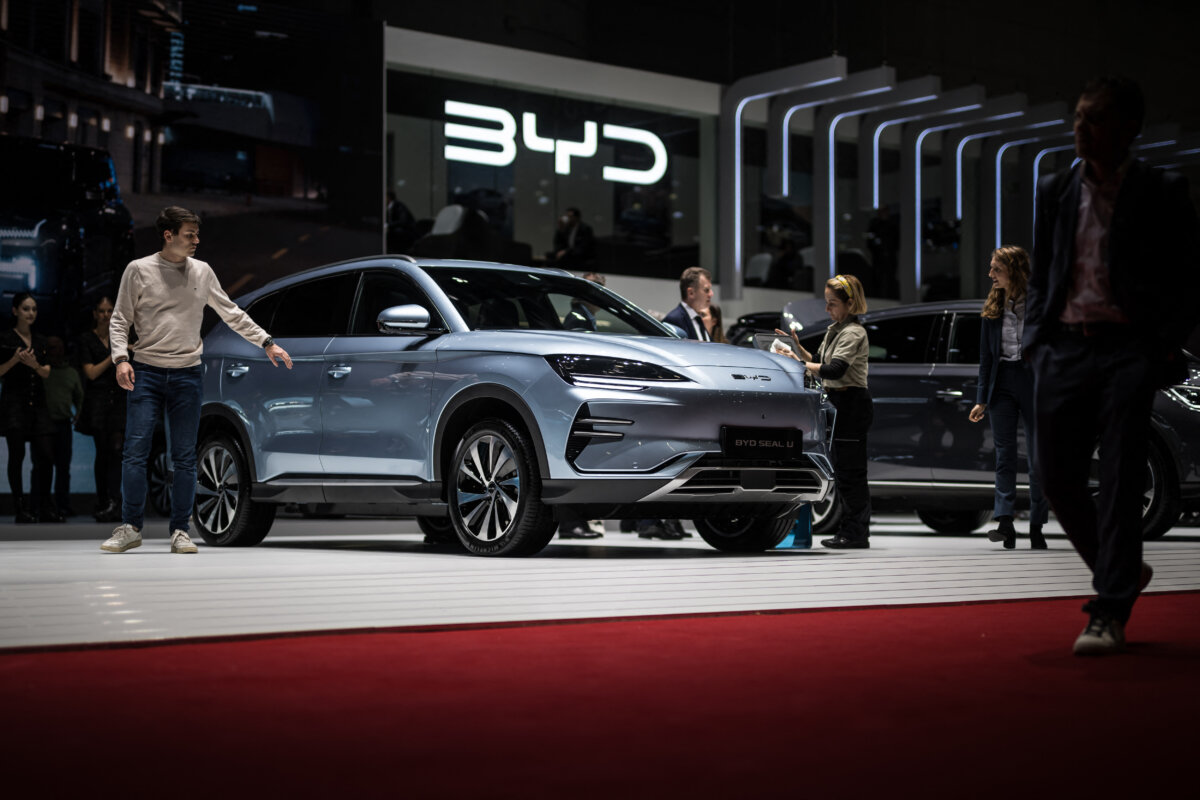
But while Chinese consumers have increased their demand for EVs amid government support, China’s auto industry has expanded its global footprint—causing consternation among U.S. companies.
The widespread fear is that Chinese companies will flood global markets, effectively undercutting vehicle prices due to lavish government subsidies.
Blume noted that China’s targeting of the European market could put additional pressure on Volkswagen, forcing the company to focus on cost savings.
“We need to prepare ourselves for the fact that we will come under price pressure here,” he said. “This is a big incentive for us to work intensively on the cost side.”
The United States has prevented Chinese cars from becoming prevalent on American roads due to 100 percent tariffs on imported EVs. However, Chinese brands have made gains in various markets, including Europe and South America.
China’s market share in Europe reached nearly 6 percent last year, nearly double that of 2024, according to data gathered by S&P Global Mobility.
“Our automotive industry forecast indicates that this could increase to nearly 15.5 percent by 2035, with more than 2.1 million new vehicles sold in the European market that year,” S&P said in a March 9 report.
“Around 44 percent of Chinese cars sold in Europe are expected to be produced in Europe/Turkey, as major car brands expand their manufacturing footprint to circumvent EU tariffs on Chinese BEVs.”
The European Union maintains anti-subsidy tariffs of up to 35.3 percent, though the rates vary by type of electric car imported from China.
 Friends Read Free
Copy
Facebook
Tweet
Friends Read Free
Copy
Facebook
Tweet