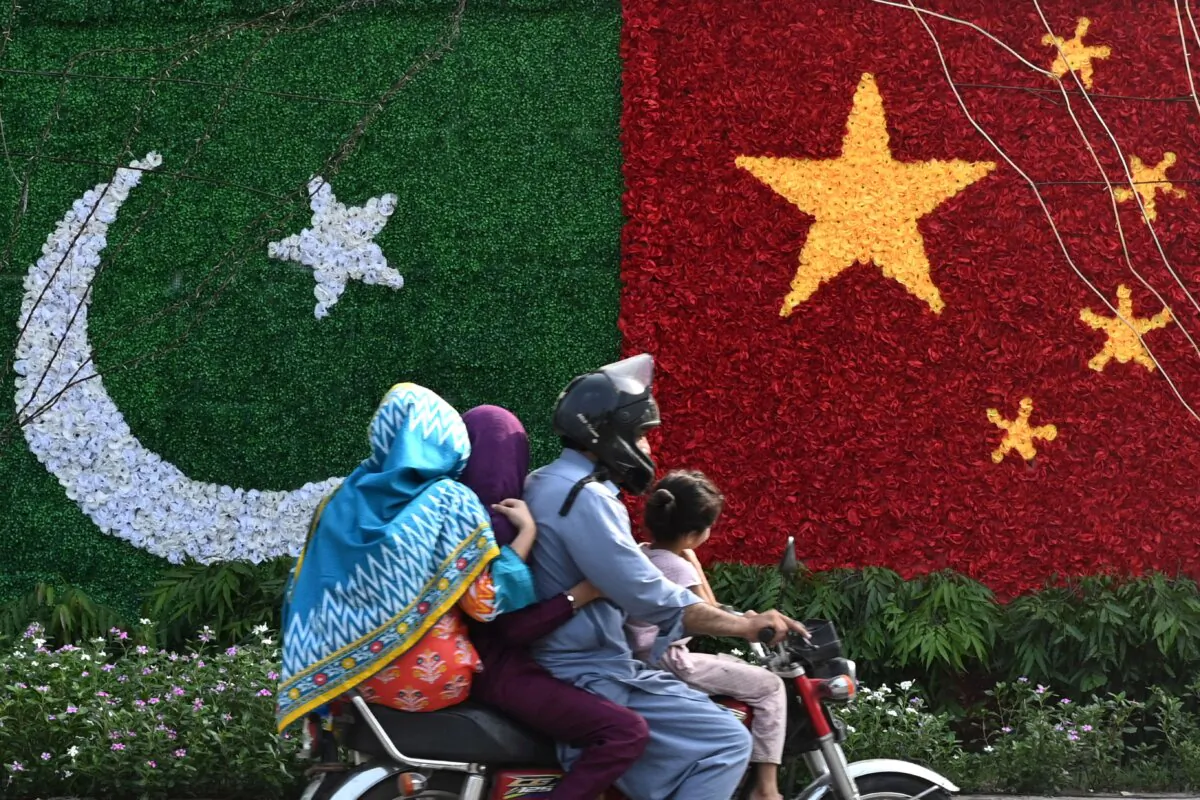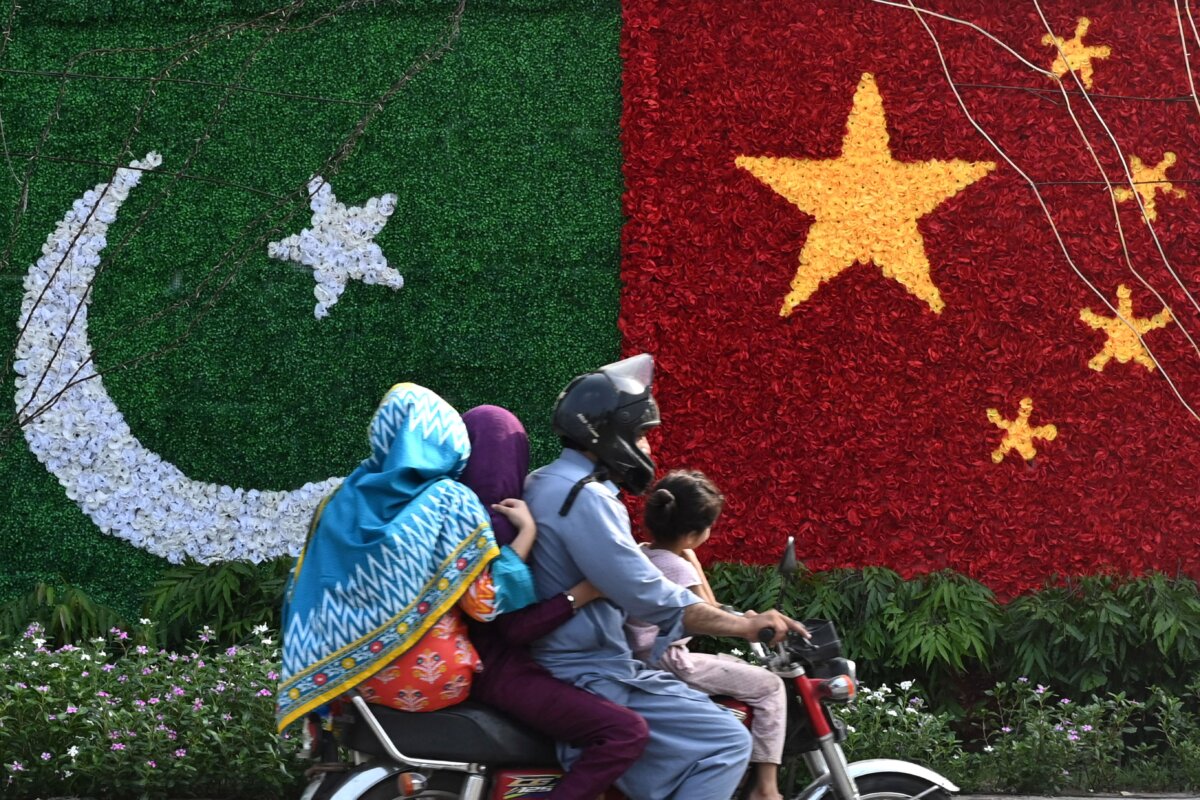

China and Pakistan’s peace plan reflects the Chinese regime’s drive to secure energy supplies from Iran, but experts say Beijing lacks the clout to mediate the conflict, and its support for Tehran will likely overshadow the upcoming summit between Chinese leader Xi Jinping and U.S. President Donald Trump.
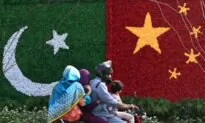
The two countries presented a five-point initiative on March 31 for “restoring peace and stability” in the Gulf and Middle East region, according to China’s Ministry of Foreign Affairs.
The five proposals are: an immediate cessation of hostilities, the start of peace talks as soon as possible, the security of nonmilitary targets, the security of shipping lanes, and the primacy of the U.N. Charter.
The framework follows talks between Chinese Foreign Minister Wang Yi and Pakistani Deputy Prime Minister and Foreign Minister Mohammad Ishaq Dar in Beijing on the same day.
The move is a sharp departure from Beijing’s previously muted stance on the Iran war. The Chinese Communist Party (CCP) had offered little beyond labeling coordinated strikes by Washington and Jerusalem against Tehran “unacceptable.”
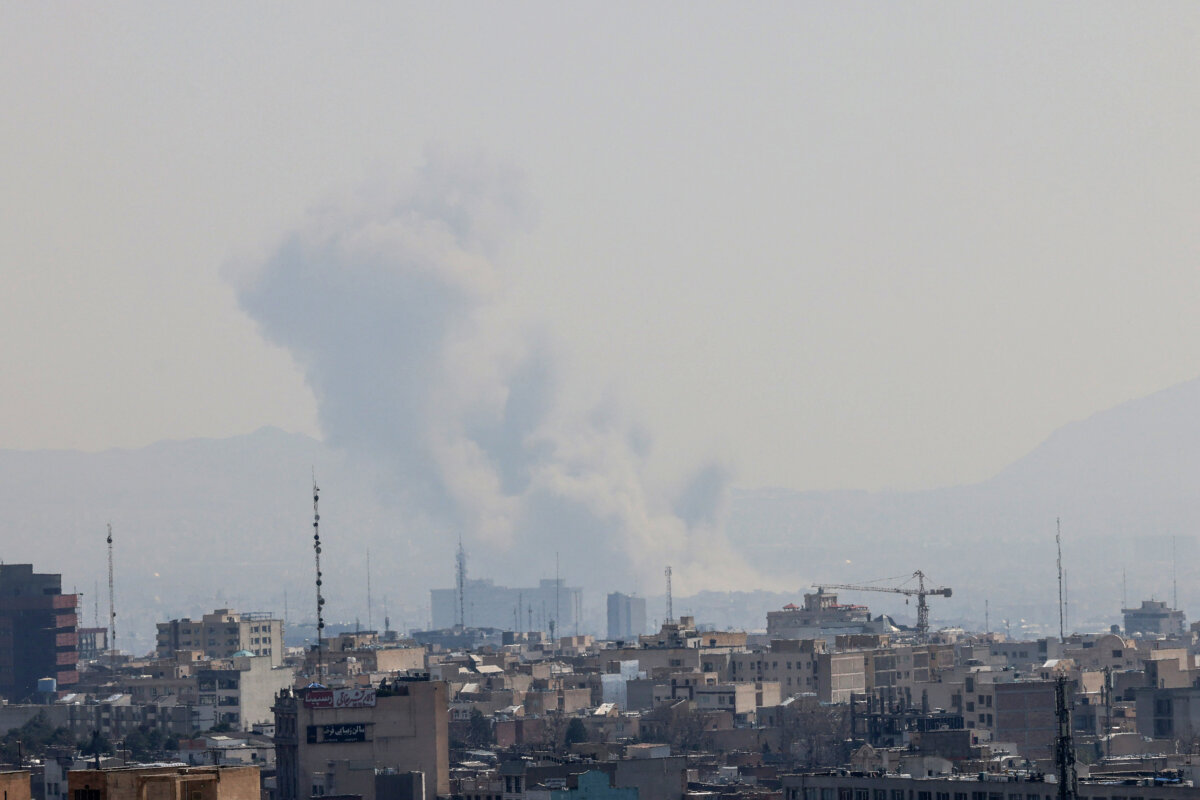
The United States and Israel have conducted Operation Epic Fury, a joint offensive, since Feb. 28. The operation killed Iranian leader Ali Khamenei and struck the highest levels of Iran’s theocratic establishment.
Beijing’s Motives
Simon Chin-mo Cheng, an associate professor of diplomacy and international relations at Tamkang University in Taiwan, said energy security is the core motivation behind China’s proposals, as Beijing seeks to prevent Tehran from disrupting oil flows through the Strait of Hormuz.
“This aligns with the fourth point of the five-point initiative regarding ‘the security of shipping lanes,’ as the Strait of Hormuz accounts for about 45 percent of the CCP’s total oil imports,” Cheng told The Epoch Times.
“A prolonged blockade of the Strait would have a devastating impact on China’s energy, petrochemical, and agricultural fertilizer industries.”
The stakes are particularly high given China’s ongoing economic slowdown, Cheng said.
Cheng said Beijing is also using the initiative to shore up the Iranian regime, securing a vital Middle Eastern foothold and a key anchor for its Belt and Road Initiative.
“The Iran–China 25-Year Cooperation Program, signed several years ago, has been particularly instrumental in cementing that relationship—and Beijing cannot afford to let it collapse,” Cheng said.
The deal, inked in 2021, committed Beijing to investing approximately $400 billion over 25 years in exchange for heavily discounted Iranian oil.
William Chih-tung Chung, an assistant research fellow at Taiwan’s Institute for National Defense and Security Research, said Beijing hopes to use this diplomatic maneuvering to project itself as a global superpower on par with Washington, capable of intervening in foreign conflicts.
“Since Russia’s invasion of Ukraine, Beijing has consistently tried to frame itself as a mediator, using these opportunities to highlight its influence in the international community,” Chung told The Epoch Times.
“This comes as China continues its aggressive behavior in the Taiwan Strait and the South China Sea, and Beijing likely sees the move as a chance to burnish its image on the world stage.”
‘Empty Words’
Chung said Beijing lacks the geopolitical weight to act as a credible mediator in the Middle East.
“The international community is not exactly calling for Chinese intervention, which shows they do not believe Beijing is capable of mediating this conflict,” Chung said.
“The U.S. and Israel know perfectly well that Beijing plays a critical role in sustaining Iran’s combat capabilities, so under these circumstances, China cannot succeed as a peacemaker.”
A report by the consulting and media agency SpecialEurasia said Beijing has supplied Tehran with advanced military technology. The CCP has not publicly acknowledged these arms transfers.
Chung said that if Washington uncovers concrete proof that Beijing has secretly armed Iran, any prospect of China’s playing a diplomatic role would collapse entirely.
“Beijing is acting hypocritically. Once the evidence of its vital weapons support for Iran is exposed, the CCP will likely face massive blowback,” Chung said.
Cheng said the Chinese regime’s mediation efforts are further undermined by Tehran’s potential anger over the poor performance of alleged Chinese weapons during recent strikes.
“We can already see that the Iranian regime is ignoring the CCP’s demands and is even reluctant to grant passage to Chinese oil tankers [through the Strait of Hormuz],” Cheng said. “Therefore, the five-point initiative is likely just empty words.”
Shaping Trump–Xi Talks
Beijing’s latest move comes ahead of a long-awaited summit between Trump and Xi.
The meeting is now scheduled for May 14 and 15 in Beijing after Trump pushed back his trip, which was originally planned for March 31 to April 2, so he could oversee military operations in Iran.
Cheng said the five-point initiative conspicuously omits any mention of the United States’ and Israel’s roles in the strikes, a deliberate move to avoid jeopardizing the upcoming talks.
“The initiative is effectively a veiled pressure on Tehran to accept a diplomatic resolution—one Beijing hopes will keep the summit on track,” Cheng said.
Cheng said Beijing’s eagerness to mediate reflects how much it values Trump’s visit, particularly as its “wolf warrior” diplomacy faces international pushback and an intensifying political purge unfolds within the regime.
“The current situation is deeply unfavorable for Xi, who also hopes to use the summit to ease the U.S.–China trade war and secure a softer U.S. stance on Taiwan, clearing the path for his fourth term,” Cheng said.
Taiwan is a self-governed democracy that the CCP has never ruled but has threatened to take by force if necessary.
Chung said Beijing’s peace initiative will do little to deflect U.S. pressure at the summit, as Washington is expected to challenge Beijing over its broader support for Tehran.
“China’s intervention in the Iran conflict will absolutely impact the summit negatively,” Chung said.
“We could expect Trump to continue to demand that Beijing protect commercial shipping and maintain global oil supplies in the Strait of Hormuz, and reduce its covert support for Iran.”
 Friends Read Free
Copy
Facebook
Tweet
Friends Read Free
Copy
Facebook
Tweet