
China has launched an anti-dumping investigation into pecans imported from Mexico and the United States and another investigation into Mexico’s trade restrictions on the same day, escalating trade tensions with its U.S. neighbor.
The Chinese Ministry of Commerce issued a statement on its website on Sept. 25, saying that “preliminary evidence” showed that imported pecans from the two North American countries to China at prices “lower than normal, indicating dumping,” and “causing substantial harm to China’s domestic industry.”
The probe has been effective since Sept. 25 and is expected to conclude by that date next year, “with a possible six-month extension under special circumstances,” according to the ministry.
China is the second-largest importer of pecans in the world. Mexico is the world’s leading exporter of pecans, with significant shipments to China, while China is also a major buyer of U.S. pecans.
On the same day, the Chinese regime initiated another investigation into Mexico’s import tariffs on a wide range of goods and trade and investment restrictions.
Specifically, the investigation is targeting “the Mexican government’s plans to raise tariffs on products from China and other non-free trade agreement partners, as well as its other trade and investment restrictions imposed in recent years against China,” according to the ministry.
The investigation is expected to last for six months and may be extended in special circumstances but not for more than three months, according to the ministry.
“In the current context of the United States’ abuse of tariff hikes, all countries should jointly oppose all forms of unilateralism and protectionism, and must not sacrifice the interests of third parties under the coercion of others,” a spokesperson for the Chinese ministry said in a statement.
The Chinese regime’s investigations came as Mexico announced on Sept. 10 that it would raise tariffs on auto imports from China and other Asian countries to 50 percent and would also increase tariffs on a range of goods, including textiles, steel, and automobiles.
Mexico has been under pressure from the United States, as Mexico is the hub for the transshipment of Chinese goods to enter the U.S. market, including chemicals and fentanyl.
Mexico is also part of North America’s trilateral trade pact, the United States–Mexico–Canada Agreement (USMCA), according to Sun Kuo-hsiang, a professor of international affairs and business at Nanhua University in Taiwan.
“The United States is concerned that China may be able to expand in the North American market through investment or transshipment in Mexico, so it continues to put pressure on Mexico to strengthen its rules of origin and control,” he told The Epoch Times.
Davy J. Wong, a U.S.-based independent economist, told The Epoch Times, “Mexico is an important trade partner for China in Latin America; at the same time, it is viewed by Washington as a source country in the U.S. fentanyl crisis and is under intense U.S. policy scrutiny.”
‘Sending a Message’
China’s dumping investigations against Mexico this time are “sending a message to other Latin American countries: Siding with the U.S. carries a cost,” Wong said.
“Beijing’s dissatisfaction with Mexico is primarily economic and strategic: Mexico has long benefited from Chinese investment and trade, but now, under U.S. pressure, it is ‘backstabbing’ China, prompting Beijing’s retaliatory investigations,” he said.
As to Mexico’s importance in trade, Wong said that “Mexico is simultaneously a hub for near-shore manufacturing, goods transshipment, and chemical supply chains in the U.S.–China rivalry.”
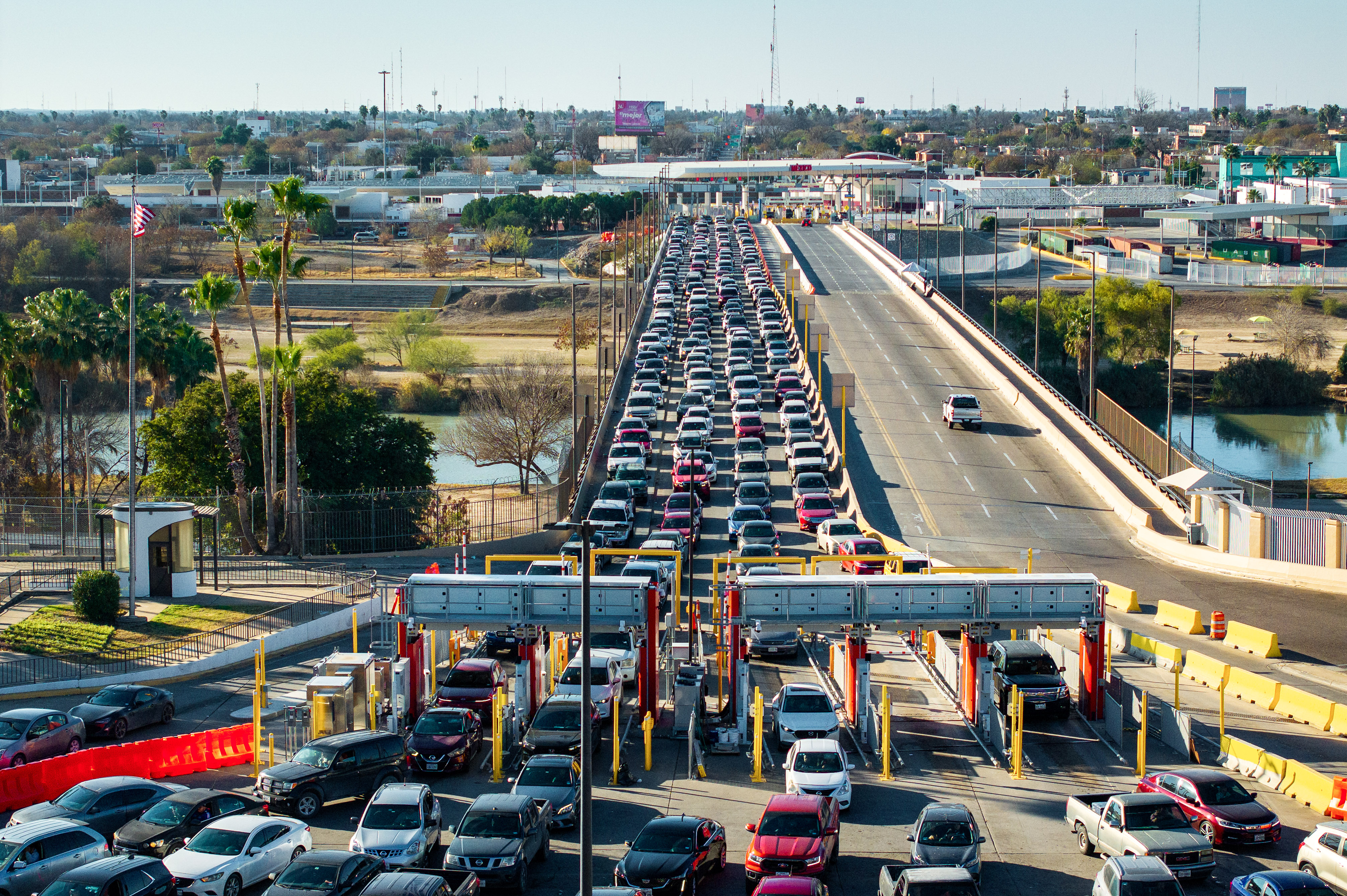
For China, Mexico is both a large consumer and import market and a gateway to industries in North America, according to Sun.
“China’s exports to Mexico are substantial, and any tariff increase could disrupt the costs and pace of Chinese companies’ expansion into Latin America and North America,” he said.
Mexico has rapidly become a major overseas buyer of Chinese-made vehicles in recent years, “making a pivotal hub in the global automotive and EV landscape, and thus a focal point in the Sino-US policy tug-of-war,” Sun said.
Tensions With US Continue
In recent days, China and the United States reached a deal for the ownership of TikTok, allowing it to continue to operate in the United States. However, the trade tensions between the two countries are still escalating as the Chinese regime just launched retaliatory investigations against the United States and its North American trade partner.
“[The TikTok deal is] a ‘single-issue’ risk management arrangement, not an overall de-escalation agreement,” Sun pointed out. “Competition between the two sides over industrial policy and supply chain security—particularly in the automotive and new energy sectors—continues to drive up tensions surrounding tariffs, and lead to more investigations and restrictions. Thus, the trade war shows a trend of managing individual issues separately while overall escalation continues.”
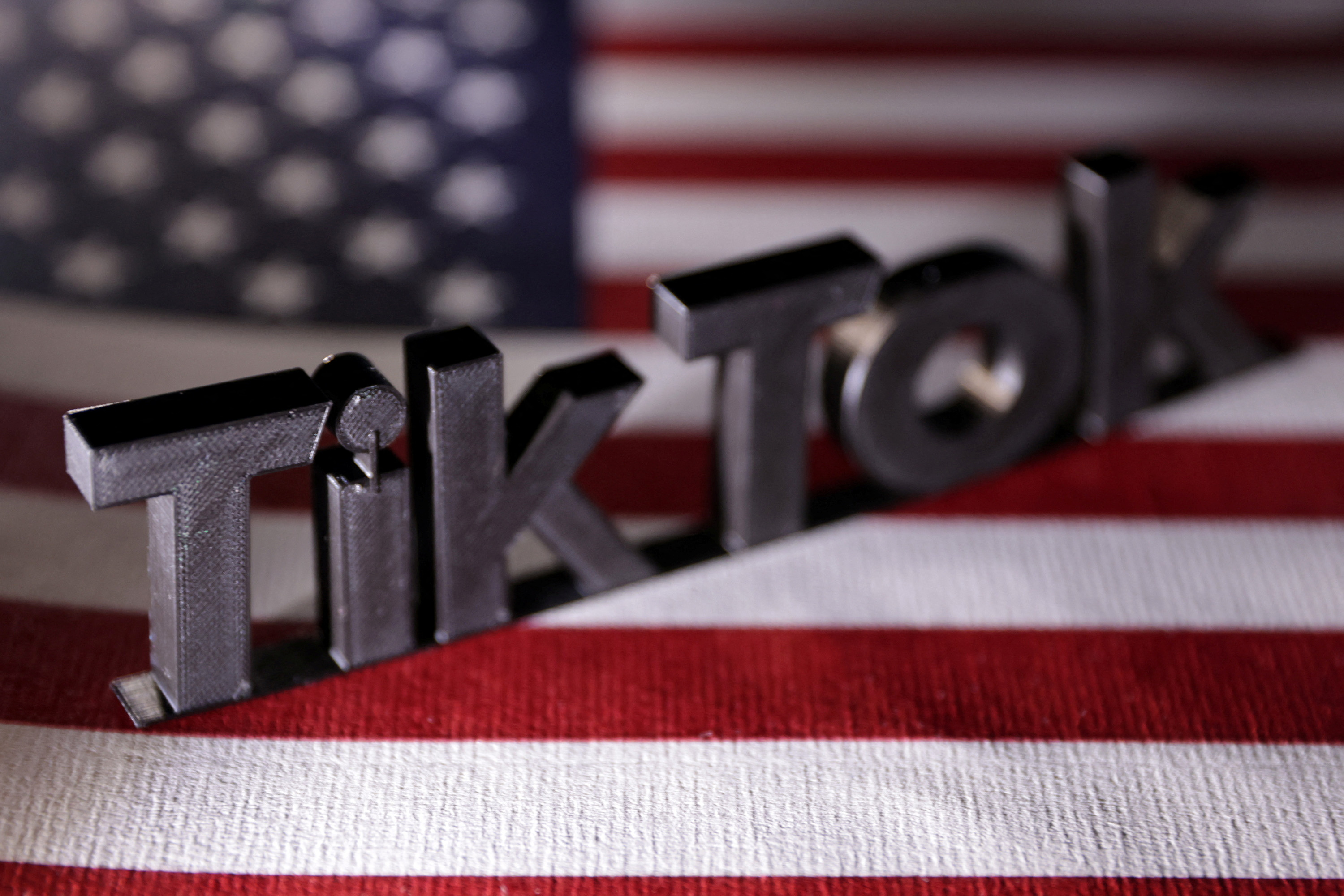
Even though China and the United States have reached temporary agreements in areas such as TikTok and technology, Wong said, “their conflicts over traditional manufacturing, subsidies, and tariffs are still intensifying.”
If the conflict escalates, “Mexico’s attractiveness as a ‘near-shoring’ destination may decline, and Chinese companies investing in Mexico may be forced to adjust,” he predicted.
The United States may respond by tightening USMCA rules or other measures to block Chinese goods from entering the United States via Mexico, or offer economic incentives to draw Mexico closer, Wong said.
Sun noted that “recent signs suggest Mexico is more inclined to calibrate its policies to accommodate North American supply chains and U.S. security concerns,” therefore, leaving limited room for “making concessions to China” in the short term.
The United States is likely to encourage Mexico to maintain high tariffs on Chinese goods and strengthen cooperation on origin and investment controls, Sun said, as “the Trump administration has expanded import tariffs and regulation and continues to push for restrictions on security reviews of Chinese-made vehicles and their hardware and software.”
Luo Ya and Reuters contributed to this report.
 Friends Read Free
Copy
Facebook
Tweet
Friends Read Free
Copy
Facebook
Tweet