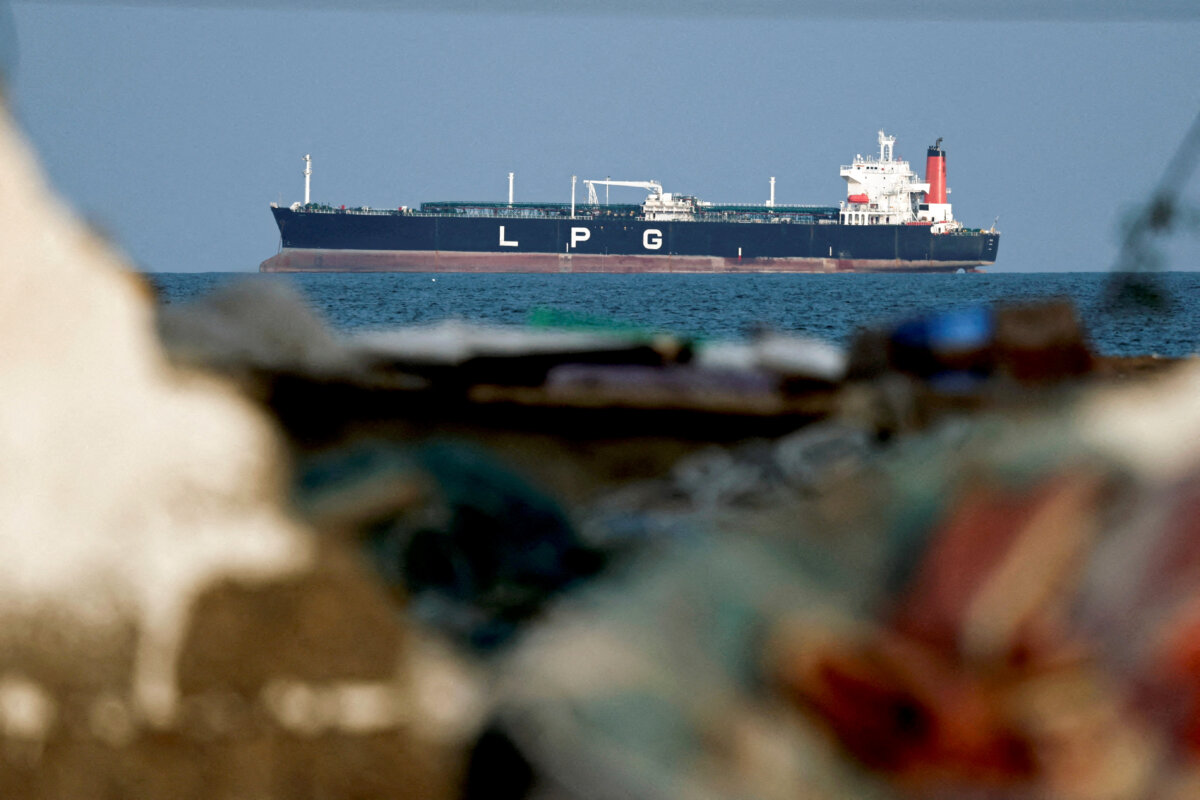

French Adm. Nicolas Vaujour said on April 1 that China will likely have to engage more directly in reopening the Strait of Hormuz.
Analysts told The Epoch Times that the French navy chief’s move to put the Chinese communist regime on the spot amid discord between the United States and its NATO allies over the Iran war is Europe’s attempt to use a multilateral approach to address disruptions to global oil supplies.
“We have not seen China’s navy step in to reopen the strait,” Vaujour said at the War and Peace security conference in Paris.
“On the other hand, there is direct political dialogue between Chinese and Iranian authorities to ensure that a certain number of vessels can pass. Will that be enough to restore normal traffic flows? I don’t believe so,” he continued.
“As a result, China will probably have to engage more directly in the debate and show its impatience with the fact that the strait remains closed.”
Vaujour’s remarks came as U.S. President Donald Trump said on Wednesday that other countries should “take the lead” in reopening the Strait of Hormuz, criticizing the lack of support from allies. Trump also suggested that the United States could withdraw from NATO, which is mainly composed of European nations.
Also on Wednesday, British Prime Minister Keir Starmer said that the UK will convene 35 countries—excluding the United States—to discuss ways to reopen the Strait of Hormuz, the vital shipping route for oil and gas that has been blocked by Iran.
Meanwhile, three Chinese vessels passed through the strait on March 30, marking their second attempt after two of them had to turn back on March 27.
China and Pakistan on March 30 put forward a five-point peace plan to end the war in Iran. However, the Iranian regime is “upset” with the plan, according to the London-based Iran International news outlet.
Previously, The Epoch Times reported that Tehran rejected Beijing’s attempt to play a mediating role in the war and its request for safe passage for Chinese cargo ships through the Strait of Hormuz, according to insiders in China’s diplomatic circles.
The Chinese foreign ministry on April 2 called the U.S.–Israeli war on Iran “illegal” and “the root cause” of the blockade of the strait.
Putting China on the Spot
The French navy chief’s remarks to urge China to take more action to reopen the Strait of Hormuz should not be interpreted as Europe pivoting toward China, analysts told The Epoch Times.
China buys more than 80 percent of Iran’s shipped oil, according to public data for 2025. Nearly 40 percent of China’s crude imports pass through the strait, according to the U.S. Energy Information Administration.
As a major stakeholder, China ought to shoulder a greater share of the effort and responsibility to reopen the strait, Hsieh Pei-Shiue, associate research fellow at the Institute for National Defense and Security Research in Taiwan, said of the French navy chief’s remarks.
“It’s not inviting China to engage in actions that can expand its military influence in the Middle East,” Hsieh told The Epoch Times.
Shen Ming-shih, research fellow at the Division of National Security Research at the Institute for National Defense and Security Research, shared a similar assessment.
“The French navy is reluctant to deploy to Hormuz and believes that East Asian nations—which are highly dependent on Middle Eastern oil—should undertake this mission,” he told The Epoch Times.
This does not necessarily mean that European or NATO nations wish to see the Chinese regime become more deeply involved in Middle Eastern affairs—particularly given that the ruling Chinese Communist Party (CCP) already provides substantial assistance to Iran in the region, including the sale of significant quantities of military hardware, missiles, and other armaments, Shen said.
“On the contrary, they hope the issues in the Middle East can be resolved as swiftly as possible and to see all relevant parties participate in the process,” he added.
When Vaujour pointed out that “there is direct political dialogue between Chinese and Iranian authorities,” the underlying implication was essentially that China is already engaging in private dealings with Iran, Hsieh said.
“Since the CCP has influence over the Iranian regime and is the primary beneficiary, it should leverage that influence to advocate for a comprehensive opening of the waterway, rather than merely ensuring safe passage for its own vessels,” Hsieh said.
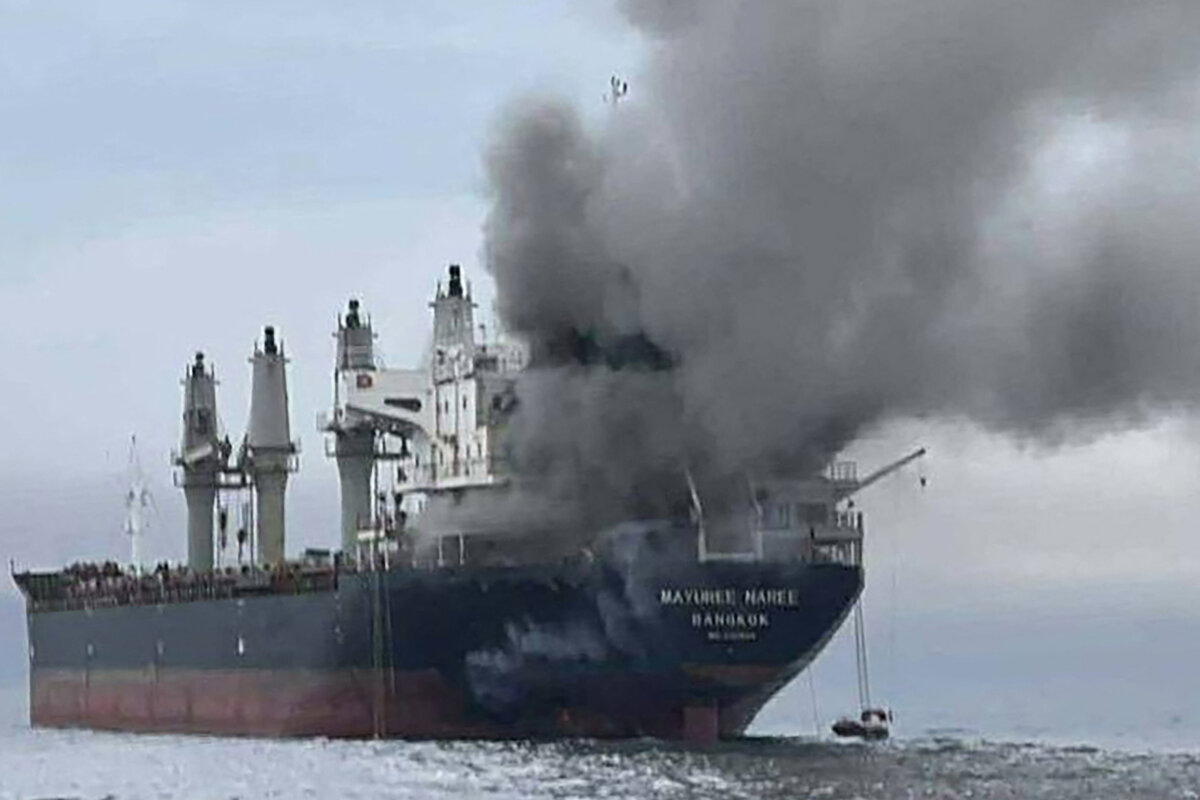
This is France’s diplomatic strategy of “binding”—making such a statement in public serves to compel China to come to the negotiating table, thereby preventing it from continuing to operate behind the scenes and from reaping the benefits while evading the responsibilities, he further explained.
Since Vaujour delivered these remarks at a conference on war, peace, and security, he must have consulted with naval commanders from other nations, such as Germany, the United Kingdom, Japan, Italy, and India, Hsieh noted.
“Vaujour’s remarks represent the consensus shared among France and many other Western nations,” Hsieh said.
It is a highly pragmatic approach, Hsieh continued. “The reality currently facing Europe is that the blockade of the Strait of Hormuz has indeed inflicted a massive shock to its energy sector—manifesting in skyrocketing oil prices, the looming risk of diesel shortages, and other related issues,” he said.
“Consequently, it has become imperative that all major influential nations—particularly those possessing substantial diplomatic leverage over Iran, such as China—step in to participate in resolving this crisis.”
Attempt at Multilateral Approach
As to the British prime minister convening representatives from 35 nations to explore options to reopen the strait, Hsieh said, “In essence, it’s a multilateral effort; as things currently stand, the approach does not involve a unilateral shift toward cooperating with China.”
Regarding the tension between the United States and European countries, Shen said that the CCP would be pleased to see the United States bogged down in the Iran war or to see oil prices rise due to a blockade of the strait, “thereby causing the United States to face questioning from other nations.”
European nations harbor some reservations regarding Trump, Shen noted, “specifically his single focus on his own country’s interests and his rashness in initiating the war without consulting with them.”
“However, fundamentally, from a long-term perspective, those European nations or NATO members whose enduring national interests align with the United States will likely continue to side with America,” he said.
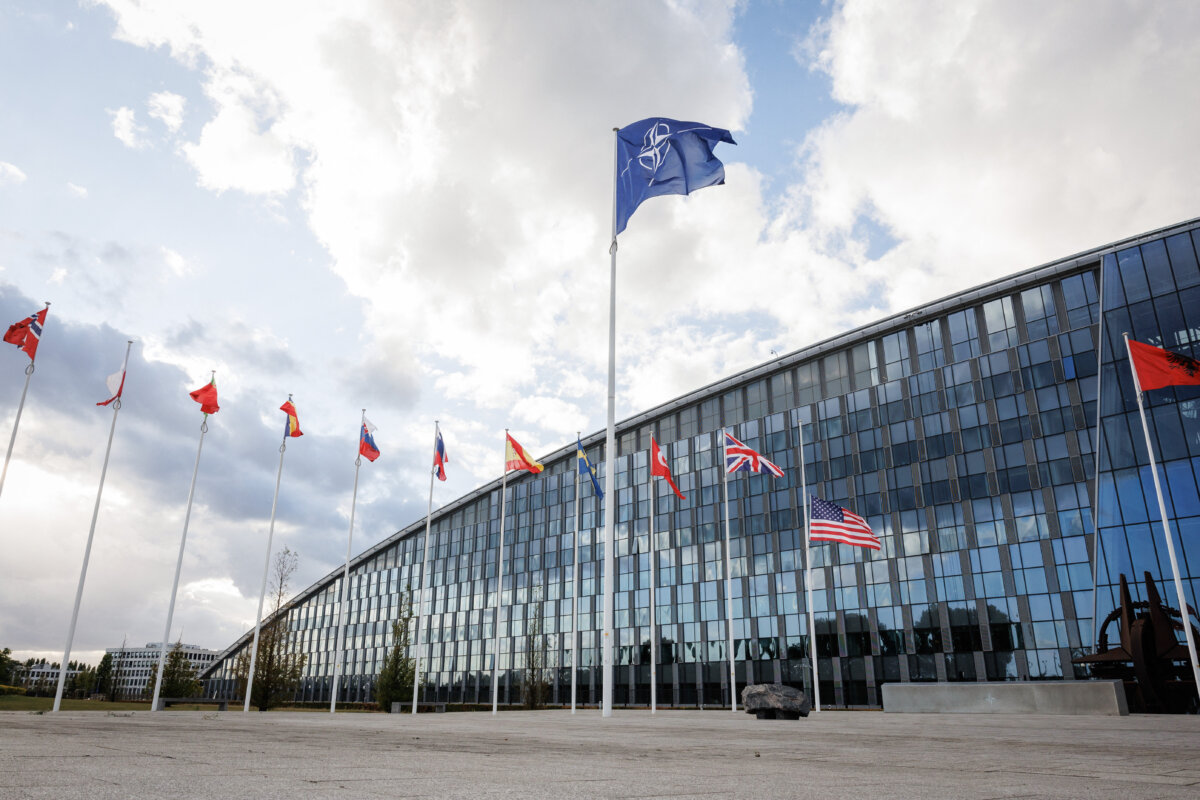
Trump’s threat to withdraw from NATO appears, at this stage, to be primarily a tool for exerting pressure on other member countries, Hsieh said.
“The likelihood of an actual withdrawal in the short term remains low, largely due to legislative constraints imposed by Congress,” he said.
However, Hsieh called attention to the chain effects stemming from the Iran war.
“These events may be profoundly reshaping the global landscape of energy, geopolitics, and security, while the roles and alliances of various parties are undergoing rapid realignment,” he said.
Hsieh summarized that Europe’s strategy, set against the backdrop of a potential strategic pullback by the United States in the Middle East, where Washington shifts its focus to the Indo-Pacific to counter the Chinese regime’s threat, “involves an attempt to construct a multilateral mechanism to address shared global threats to energy security.”
Luo Ya and Reuters contributed to this report.
 Friends Read Free
Copy
Facebook
Tweet
Friends Read Free
Copy
Facebook
Tweet