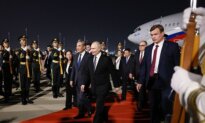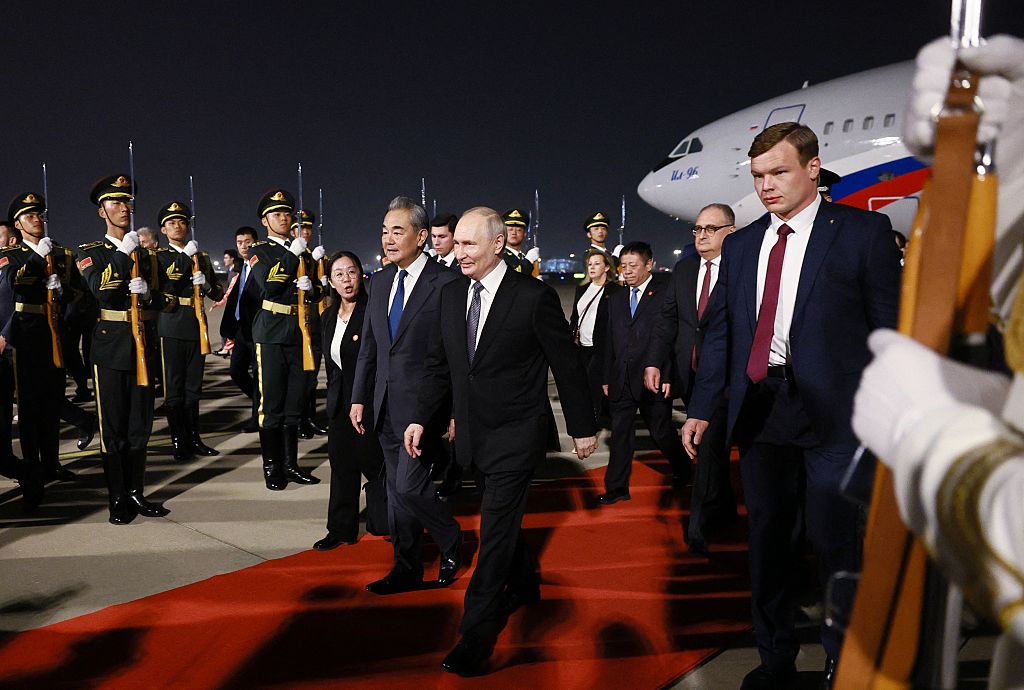

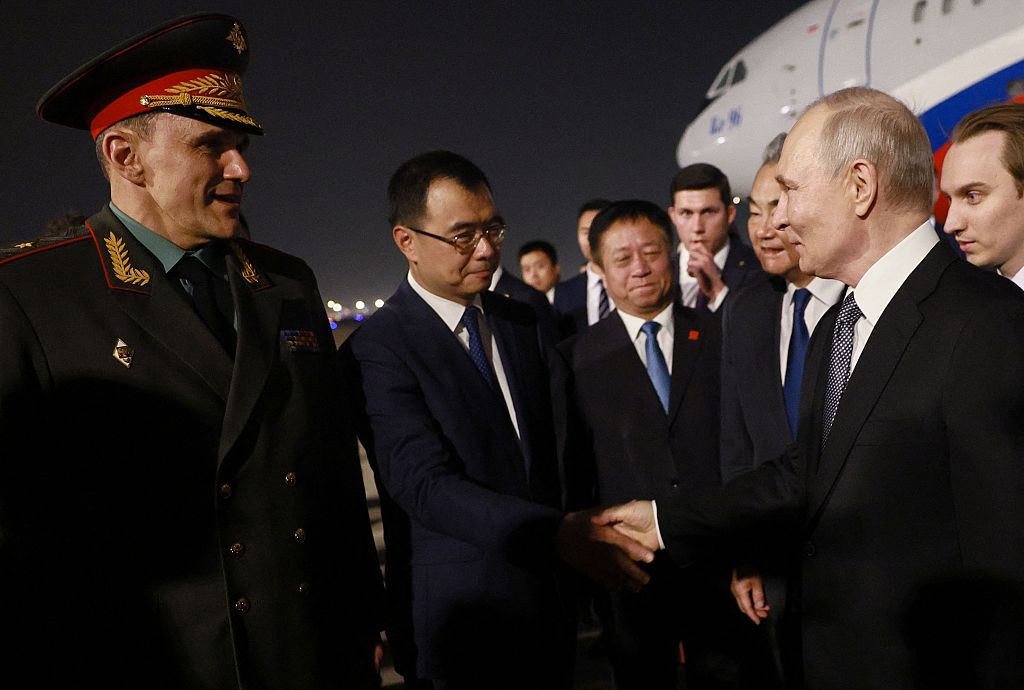
Russian President Vladimir Putin arrived in Beijing on May 19, only four days after U.S. President Donald Trump left China.
An insider within the Chinese regime told The Epoch Times that one of the key objectives of Putin’s visit to Beijing is to obtain firsthand “information” regarding the summit with Trump and Chinese leader Xi Jinping, specifically concerning the Russia–Ukraine war and the situation in the Middle East.
Kremlin spokesman Dmitry Peskov told reporters at a briefing on May 18 that Russia had “very high expectations” for Putin’s visit, and that discussions would cover a wide range of topics, from trade and economic cooperation to medicine, culture, and education.
“[Russia will not] compete with anyone in terms of the composition of our delegations,” he said.
The Chinese Ministry of Foreign Affairs announced Putin’s visit on May 16, one day after Trump concluded his visit on May 15. According to videos posted on social media, several Russian Aerospace Forces transport aircraft arrived in Beijing on May 17, ahead of Putin’s visit.
Peskov said at a May 16 news briefing that Putin and Xi will “exchange views” on the Chinese leader’s meeting with Trump this week, according to The Moscow Times.
“We hope to get this information firsthand when we’re in China,” he said.
Meanwhile, Yury Ushakov, Putin’s foreign policy aide, said at the May 18 briefing that there was no link between the Russian leader’s visit to China and Trump’s visit.
Xue Zhiqiang, an insider with close ties to the Chinese regime’s diplomatic system who used a pseudonym out of fear of reprisal, told The Epoch Times that gathering information regarding the recent “Trump–Xi summit” is the key objective of Putin’s visit to China.
Ukraine and Iran
Since April, Russian forces have suffered setbacks in the war with Ukraine, with the Ukrainian side claiming to have recaptured approximately 400 square kilometers (about 154 square miles) of Russian-occupied territory.
“Regarding Putin’s visit to Beijing this time, the Chinese Ministry of Foreign Affairs believes that he is seeking to find out exactly what Trump said to Xi, specifically, whether there are any new developments or perspectives regarding the Russia–Ukraine war,” Xue said. “Putin’s true concern is Trump.”
Trump confirmed that he discussed Ukraine with Xi during the summit.
“We discussed … well, it’s one that we’d like to see settled,” the U.S. president said after the meeting, according to Ukrainian media.
The Russia–Ukraine war has entered its fourth year since Russia’s invasion of Ukraine in February 2022, which has been condemned by the international community. Yet Beijing has avoided publicly denouncing Russia’s aggression or officially calling it an “invasion.” Russia has been sanctioned by the Western world, led by the United States.
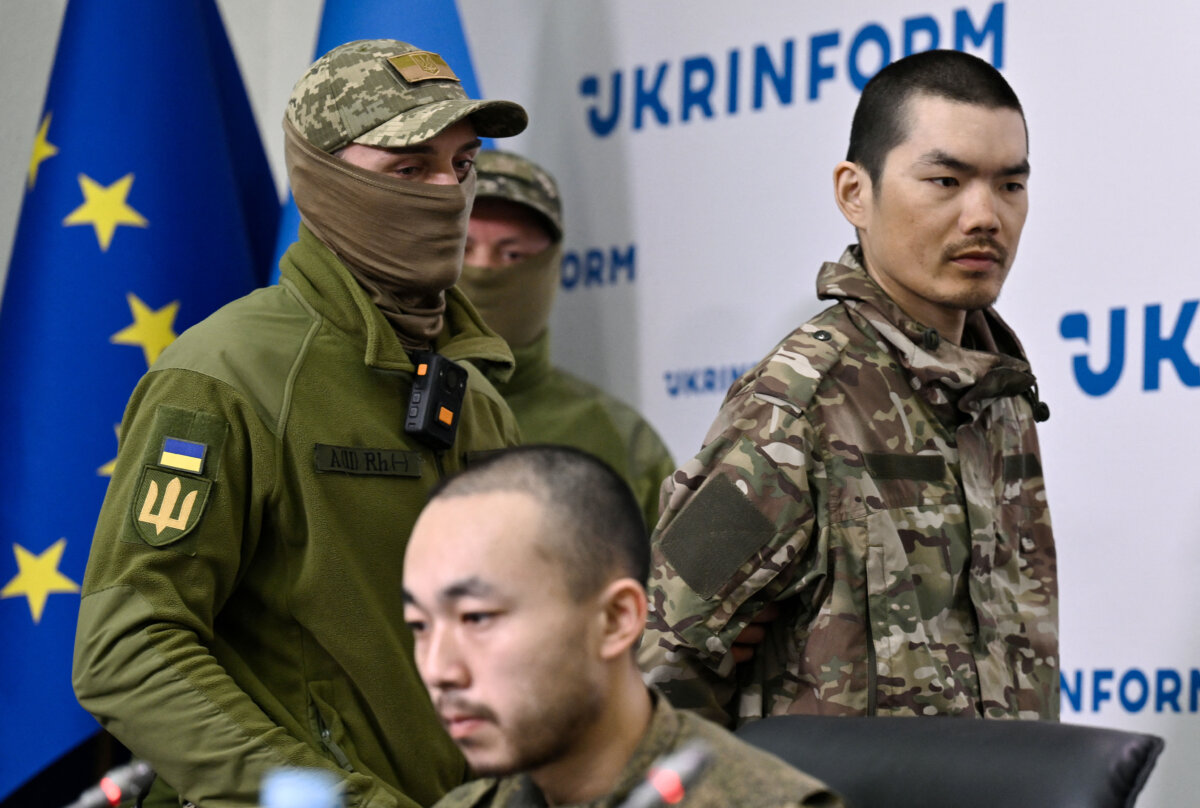
Meanwhile, both the Chinese regime and Russia have been longtime supporters of the Iranian regime, even after the United States and Israel launched joint strikes on Iran in late February. During the Iran war, Russia has provided the Iranian regime with missile components, rocket fuels, and some intelligence support regarding U.S. military deployments. Meanwhile, the Chinese regime has provided Iran with economic and logistic support, including drones parts and materials for making missiles.
After their talks in Beijing, Trump said Xi promised not to send Iran military equipment.
“We don’t want them to have a nuclear weapon; we want the straits open,” Trump said while sitting alongside Xi in Beijing.
Putin’s concern lies in the possibility of U.S. displeasure regarding Russia’s support for Iran, Xue said.
“As for the Chinese side, Trump and Xi have already reached a consensus on the Iran issue—namely, opposition to Iran possessing nuclear weapons,” Xue said. “The Chinese regime has also pledged not to supply weapons to Iran. This stands as one of the key outcomes of Trump’s visit to Beijing.
“Putin’s visit to China was arranged solely to gather firsthand information regarding Trump’s trip to Beijing. Consequently, we have not seen any specific sightseeing or touring itineraries scheduled for Putin during his time in Beijing.”
Concerns for Potential Shift in US–China Relations
Russia has always attached great importance to historical experience, said Wang Siliang, a Chinese scholar specializing in Russian affairs who used a pseudonym out of fear of reprisal.
“During the Cold War era, shifts in Sino-American relations disrupted the then-configuration of major powers,” he told The Epoch Times. “Although the international environment today is different, Moscow remains sensitive to strategic shifts between China and the United States—simply put, Trump’s intentions are hard to guess for them.”
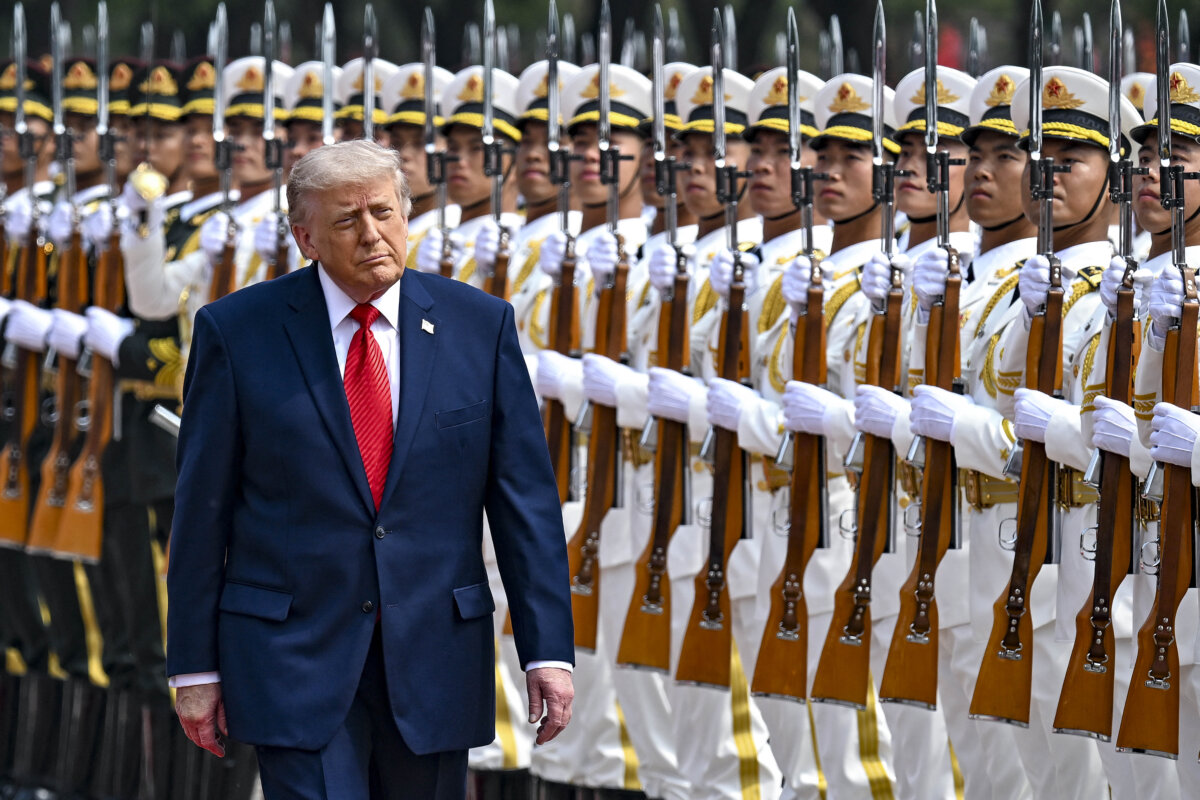
The United States successfully pulled communist China to its side during the U.S.-Soviet confrontation in the Cold War era, officially establishing full diplomatic relations with the Chinese regime in 1979.
Presently, as the Russia–Ukraine war drags on, Russia’s reliance on China in terms of trade, industrial supply chains, and technology is greater than ever before, Zhu Haitao, a China-based international relations scholar who used a pseudonym out of fear of reprisal, told The Epoch Times.
“Moscow is concerned about potential shifts in Beijing’s policies, and also fears that any adjustments in U.S.–China relations could impinge upon Russia’s future strategic maneuvering space,” he said.
Hu Ying and Reuters contributed to this report.
 Friends Read Free
Copy
Facebook
Tweet
Friends Read Free
Copy
Facebook
Tweet