
Mongolia confirmed its third prime minister in nine months on March 30, in a new round of political turmoil that state media in neighboring China are closely following.
Although Mongolia is caught between China and Russia, the economic and geopolitical pressure of the Chinese Communist Party (CCP) will not make this democratic country its satellite state, analysts told The Epoch Times.
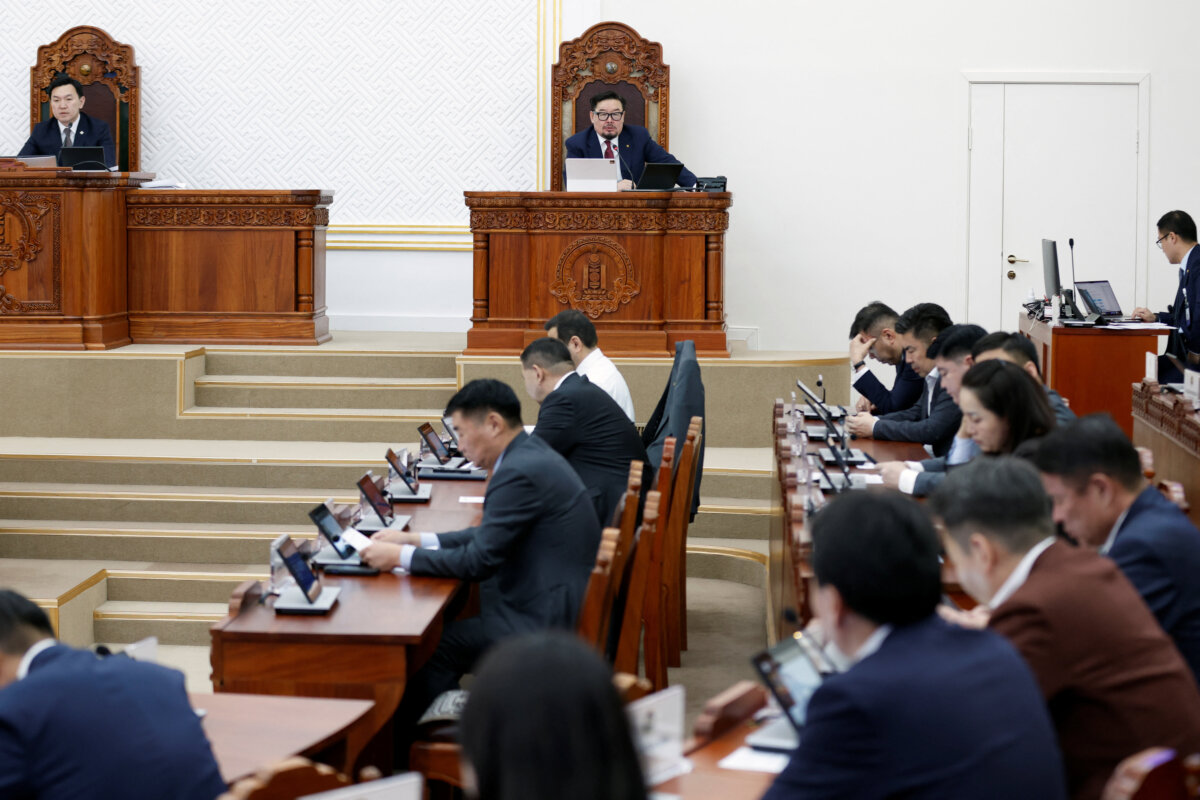
Following the resignation of Zandanshatar Gombojav on March 27 due to disputes within the ruling Mongolian People’s Party and a parliamentary boycott by the opposition, Mongolia’s Parliament on March 30 confirmed Uchral Nyam-Osor as the nation’s new prime minister.
The opposition Democratic Party launched a boycott of parliamentary activity in early March, citing concerns over the concentration of power within the ruling party.
The 39-year-old Uchral vowed to reduce the bureaucracy and stabilize import prices, according to Mongolian official media.
Mongolia has had close and complicated relations with China for centuries.
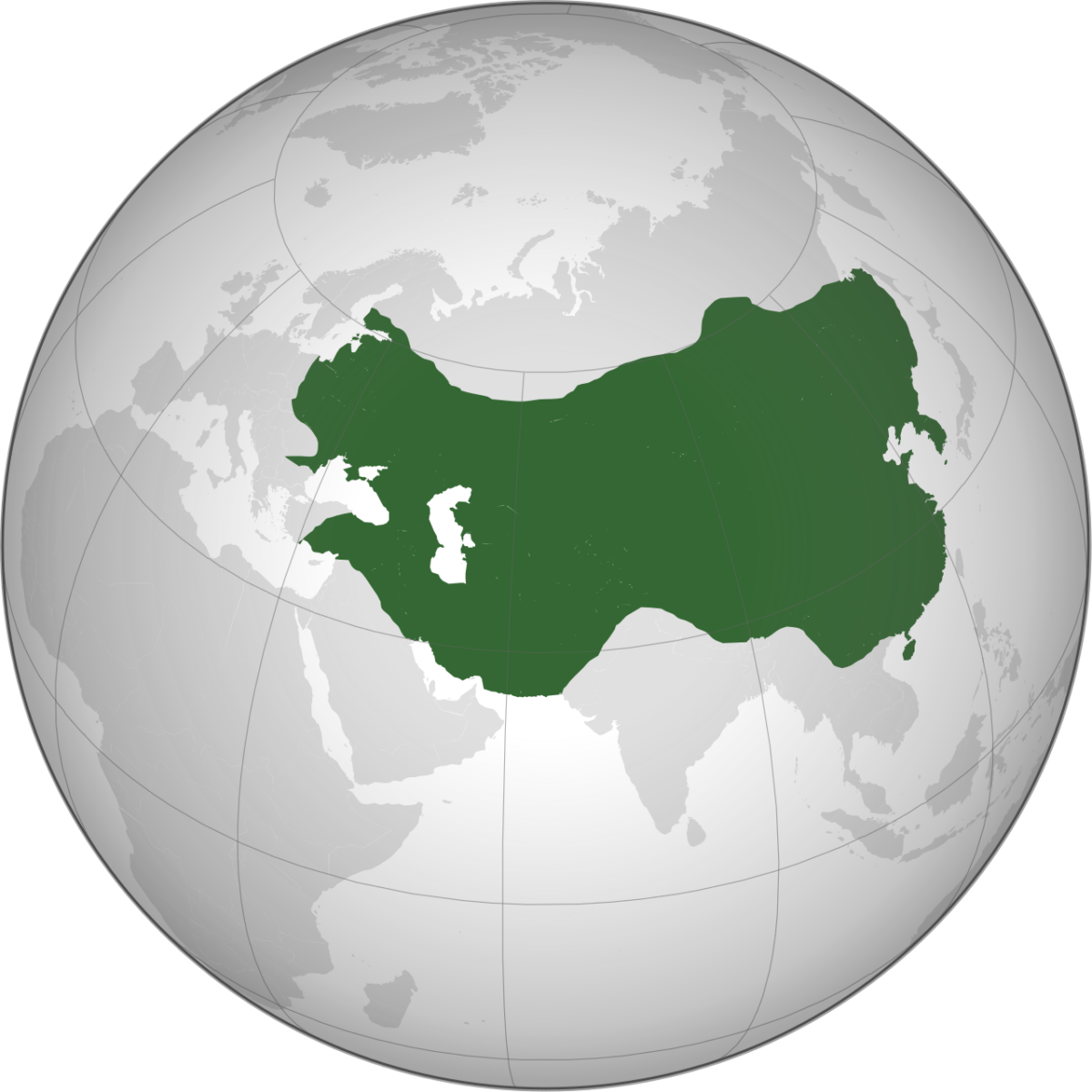
After the unification of several nomadic Mongolian tribes in the Mongol heartland—the Mongolian Plateau covering modern-day Mongolia, southern Siberia, and Inner Mongolia in China—Genghis Khan established the Mongol Empire (A.D. 1206–A.D. 1368), stretching from East Asia to Eastern Europe. Kublai Khan, grandson of Genghis Khan, established the Yuan Dynasty in China, declared himself emperor of China, and settled the capital at Dadu (modern Beijing). It was the first foreign-led dynasty to rule all of China, until it was driven out by the Ming Dynasty in 1368.
Mongolia was later incorporated into the Qing Dynasty’s China (1644–1912), established by the Manchu ethnicity.
In 1921, Outer Mongolia, with the help of the former Soviet Union’s Red Army, established a communist regime, becoming one of the Soviet Union’s satellite states. Inner Mongolia remained part of China and has been under the CCP’s control since 1949, when the communists defeated the nationalist government of the Republic of China in mainland China.
After the fall of the communist bloc led by the former Soviet Union, Mongolia transformed into a liberal democratic state in the early 1990s, characterized by a multiparty system.
Although Mongolia is an inland country caught between two gigantic totalitarian countries, it has ranked high among the world’s free democracies, especially in Asia.
According to the latest rankings by Freedom House, a Washington-based nonprofit world democracy watchdog, Mongolia received a score of 84 out of 100 in 2025, surpassing South Korea’s 83 points and trailing only Japan (96 points) and Taiwan (93 points) among Asian nations.
Although Mongolia is a liberal democracy, its government is bogged down by severe cronyism, Lee Yeau-Tran, an adjunct professor at the Graduate Institute of Development Studies at National Chengchi University in Taiwan, told The Epoch Times.
“Corruption remains an intractable problem, and the independence of the judiciary has come under question,” Lee said of the internal problems that led to the frequent change of prime ministers. “Amidst a sluggish economy, the gap between rich and poor is widening.”
The outgoing prime minister’s predecessor was ousted because of corruption, while Gombojav’s resignation stems from his foreign and economic policies.
‘Third Neighbor’ Policy
Since the early 1990s, Mongolia has actively pursued a “third neighbor” policy to counter the pressure exerted by Russia and China, seeking more engagement with other democratic countries in Asia and Western nations.
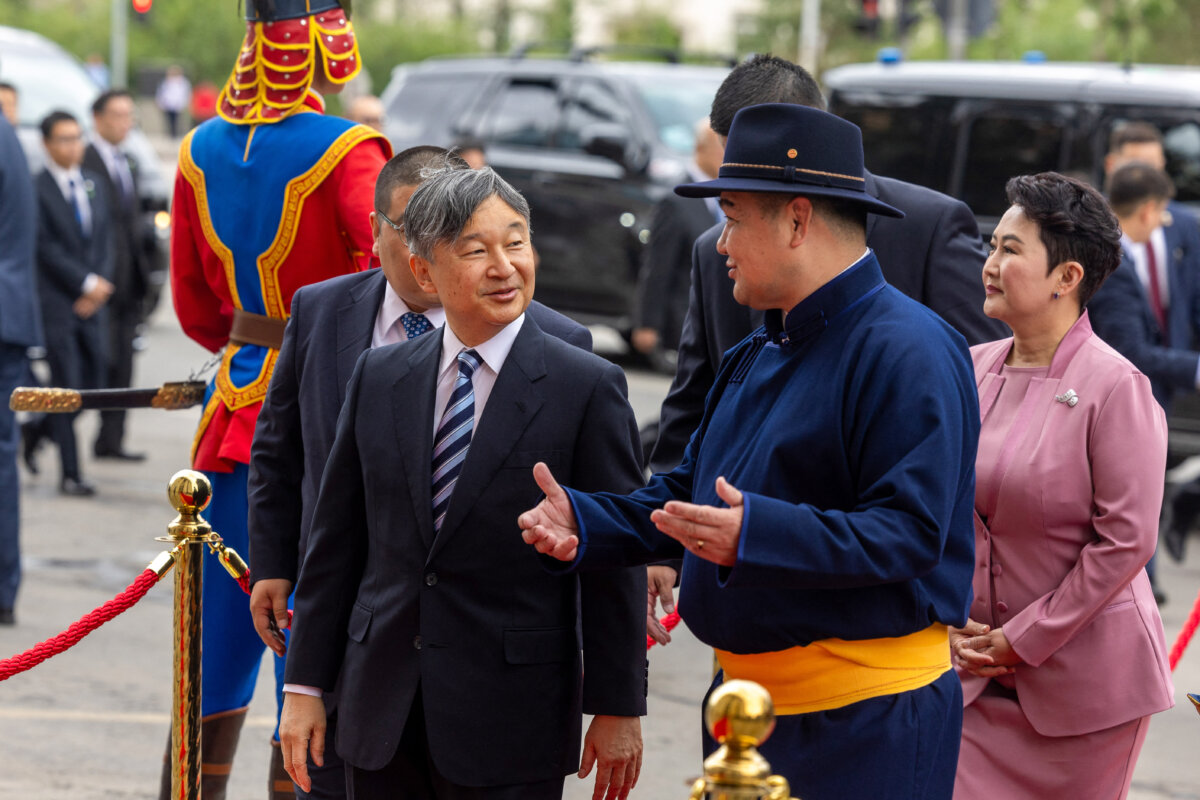
However, the implementation of this policy has not proceeded smoothly, Lee said. Mongolia cannot escape the influence of Russia and China, especially economically, he said.
“Ninety percent of Mongolia’s trade is conducted with China, and the vast majority of its exports—particularly coal and copper—are destined for the Chinese market,” Lee said.
The export of these mineral resources is controlled by a small group of Mongolian officials who are immensely wealthy, “while the poor remain destitute—a disparity that is particularly acute in the rural regions outside the capital,” Shen Ming-shih, research fellow at the Division of National Security Research at Taiwan’s Institute for National Defense and Security Research, told The Epoch Times.
Corruption allegations and protests caused by widespread public discontent led to the ouster of Prime Minister Luvsannamsrai Oyun-Erdene in 2025, and the outgoing Gombojav cannot solve this issue either, Shen said.
The Chinese regime has been pushing a campaign to remove Mongolian language from core subjects in school curricula in Inner Mongolia, and replace it with Chinese. The move is viewed by many as an attempt to erase Mongolian culture and cultural identity.
“Mongolia has long harbored a sense of wariness toward China, largely due to the Chinese language policies promoted by the ruling Chinese Communist Party … in Inner Mongolia, which have instilled a sense of apprehension in them,” Lee said.
Given the influence China’s economy has exerted on Mongolia, Mongolian people are deeply concerned about falling under the control of communist China, he said.
Mongolia has also tried to break free from Russia’s long-term influence and maintain an independent image on the international stage.
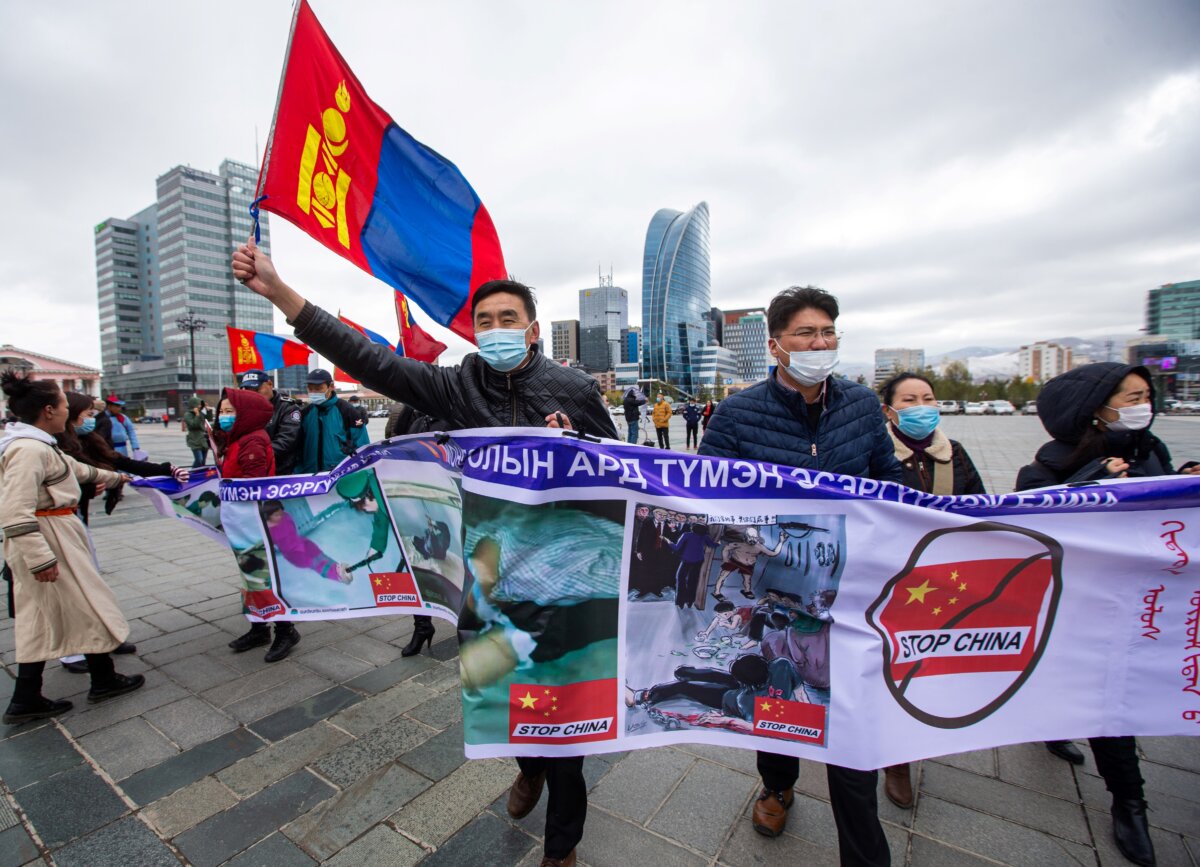
In 2020, the Mongolian government announced that it would restore traditional Mongolian alphabet writing for official state documents by 2025 and abandon the Russian-based Cyrillic script that it adopted 80 years ago during its socialist era.
Although Mongolia officially maintains a position of neutrality at the United Nations regarding Russia’s invasion of Ukraine, in 2024, Tsakhia Elbegdorj—Mongolian president between 2009 and 2017 and former Mongolian prime minister—mocked Russian President Vladimir Putin’s historical claim to Ukraine to justify the invasion.
Elbegdorj posted on X a map of the Mongol Empire that included Russia, with the caption: “Don’t worry. We are a peaceful and free nation.”
Reaching Out to the West
Mongolia’s economy centers on coal mining, but the nation also has rare mineral resources.
Given the growing importance of rare-earth minerals, Mongolia is currently engaging with the United States to discuss cooperation.
Mongolia has conducted routine annual joint military exercises with the United States for years.
“These joint drills also serve to elevate Mongolia’s standing on the international stage,” Shen said. “Furthermore, Mongolia dispatches troops to participate in United Nations peacekeeping missions. The country is becoming increasingly open.”
China and Russia, naturally, do not want Mongolia to become close to the United States, Shen noted.
Lee also noted that being sandwiched between China and Russia puts Mongolia under geopolitical pressure, while its economic cooperation with the two regimes creates dependence.
As the United States has removed or weakened regional disruptors propped up by the Chinese regime, such as Venezuela, Iran, and Cuba, the CCP has turned its attention to Mongolia, especially to its political turmoil.
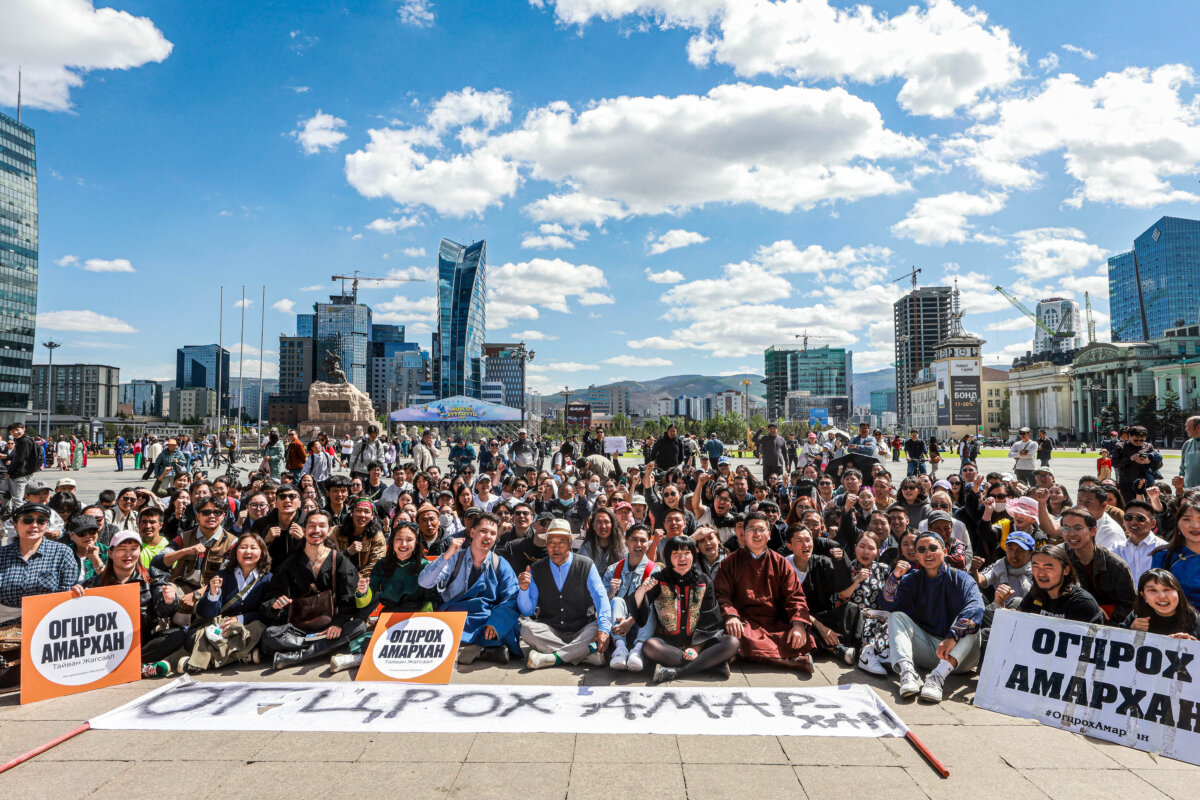
China wants to exert control, but Mongolia is already a liberal democracy and China can no longer treat it as a client state, Lee said.
“The nations that typically serve as China’s client states are invariably authoritarian regimes, such as Iran, Cuba, Venezuela, and North Korea,” he said.
“Moreover, given the diverse spectrum of public opinion within Mongolia, it is unlikely that the country would ever allow itself to be reduced to a Chinese regime’s satellite state; thus, even if China were to attempt to control Mongolia, it wouldn’t succeed,” Lee said.
The incoming prime minister in Mongolia is also confronted by the issue of how to balance China, Russia, and the West, Shen noted.
“Whether he can overcome the current limitations of Mongolia’s foreign policy and how he navigates cooperation with Western nations in the realms of trade, economics, or mineral resources to promote the country’s economic development are the main challenges that the new prime minister will likely have to face,” Shen said.
Luo Ya and Reuters contributed to this report.
 Friends Read Free
Copy
Facebook
Tweet
Friends Read Free
Copy
Facebook
Tweet