A senior Taiwanese official has said that China’s political and economic environment remains highly volatile and that more senior Chinese officials could be removed from power as Beijing prepares for a key leadership meeting next month.
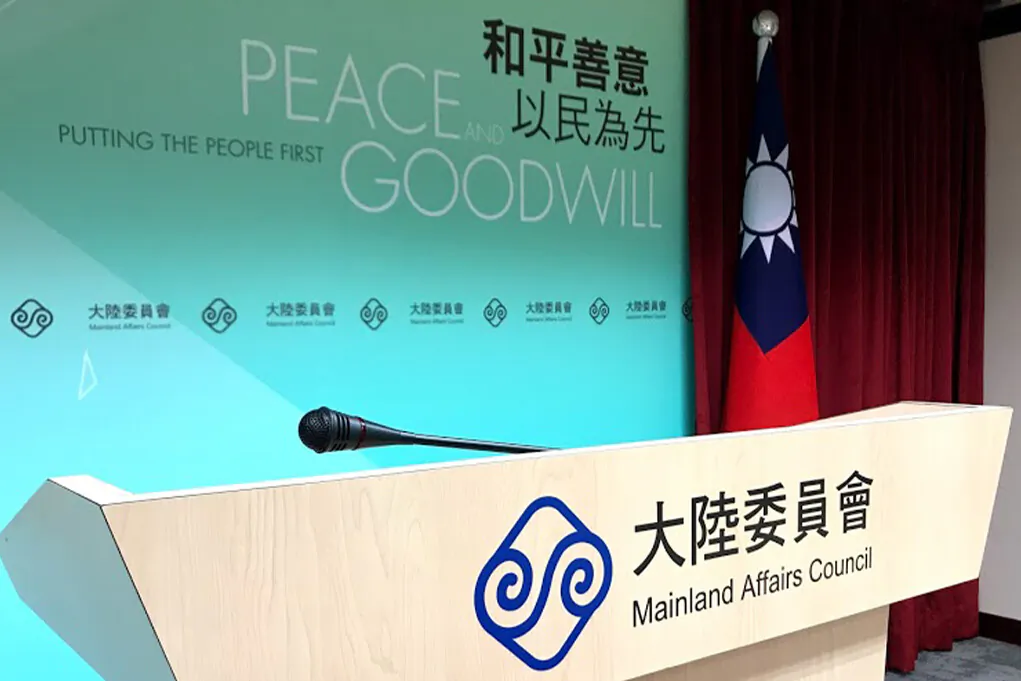
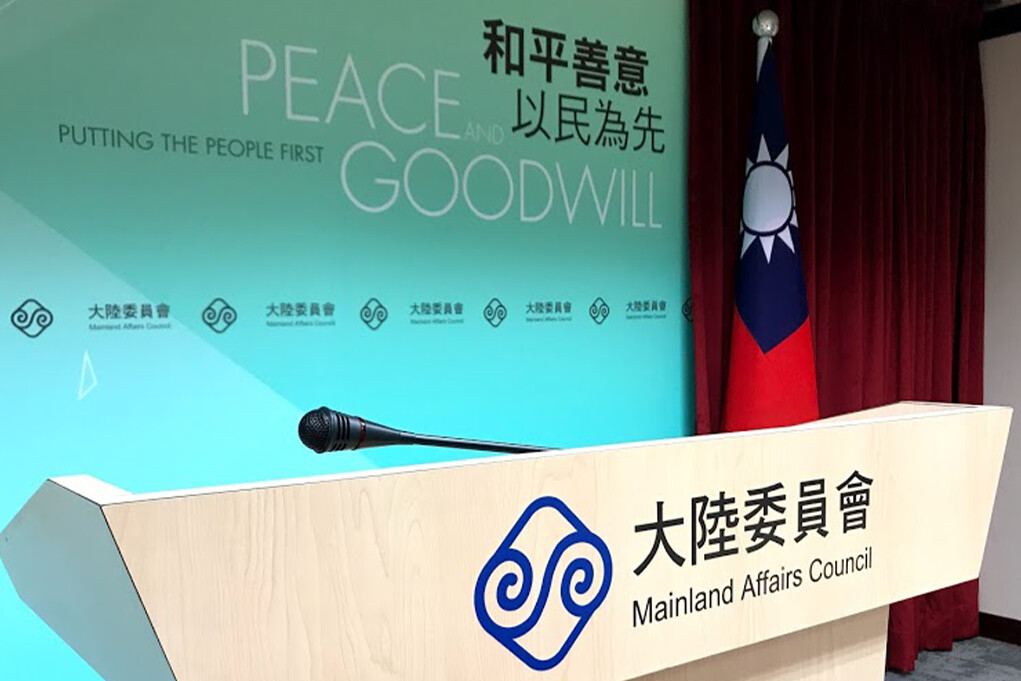
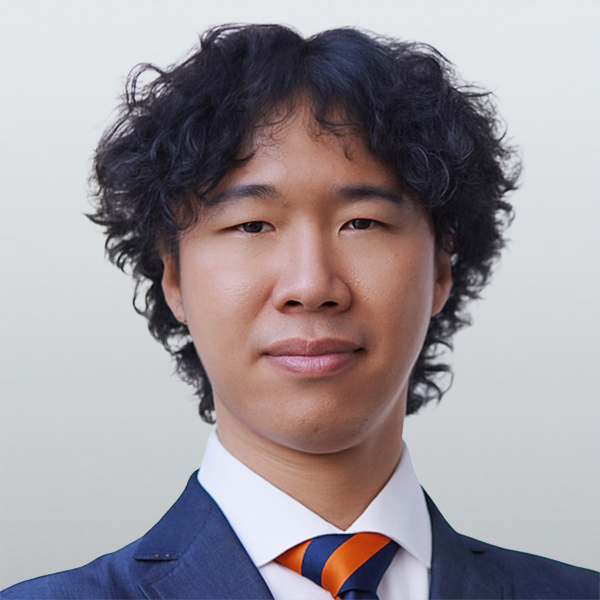
Shen Yu-chung, deputy minister of Taiwan’s Mainland Affairs Council, made the remarks on Sept. 18 at a seminar hosted by Taiwan’s National Chengchi University’s Institute of International Relations.
The Chinese Communist Party (CCP) is scheduled to hold its fifth plenary session, or Fifth Plenum, of the 20th Central Committee in October.
“We believe the number of people who could fall from power may be even greater,” Shen said, according to Taiwan’s national news agency CNA.
He noted that after a decade of consolidating power away from collective leadership, CCP leader Xi Jinping has prioritized national security over economic development, tightening ideological controls and domestic surveillance alongside ongoing military pressure on Taiwan.
Among the measures, Shen cited the National Security Law that Beijing imposed on Hong Kong and China’s new Ethnic Unity Law, as well as what he described as the CCP’s expanded use of a “grid management” system—a hyper-local neighborhood surveillance and control network—and artificial intelligence (AI) to monitor the population.
He characterized the approach as a “China model” of social control and said it presents a challenge to free and democratic countries around the world.
Shen also focused on recent changes among China’s political and military leadership.
After rounds of political purges, the Central Military Commission now has only Xi and Zhang Shengmin remaining. Currently, three of the 24 members of the Politburo, the country’s top decision-making body—He Weidong, Zhang Youxia, and Ma Xingrui—have been taken down.
Against that backdrop, Shen predicted that the leadership changes could continue around the Fifth Plenum, which is expected to be closely watched for signs of further changes within the Party leadership and military establishment.
Shen also linked China’s political situation to its military activities. He said China’s defense budget increased by 7 percent this year and that the large allocation could encourage the regime’s military to take greater risks.
Shen said that even as senior military officers have faced extensive disciplinary action and removals in recent years, China has continued operations in what he described as gray-zone areas around its neighbors.
Taiwan and surrounding waters have been a particular focus, with Chinese naval vessels, coast guard ships, and research vessels frequently operating in the area.
Shen said those activities pose a serious threat to peace and stability across the Taiwan Strait and the wider region.
Economic Weakness, State Control
Shen also noted mounting challenges in China’s economy, including weak domestic demand, excess production capacity, and falling foreign investment.
He said China has increasingly relied on low-priced exports to maintain economic momentum, leaving the overall economic structure unbalanced. He added that economic deterioration had also created concerns for social stability.
According to Shen, Beijing has made national security a prerequisite for economic development and has directed policy resources toward state-owned capital and strategic industries, thereby distorting the allocation of market resources.
He also accused Beijing of using its state-directed tech strategy to target Taiwan’s high-tech sector through overseas recruitment and commercial espionage.
Shen said such activities expose what he described as an attempt to weaken Taiwan’s core tech competitiveness through illicit infiltration and threaten the security of global critical supply chains.
The Mainland Affairs Council, Taiwan’s government agency responsible for cross-strait affairs, will continue monitoring developments, Shen said.
“[The agency] would take appropriate measures when necessary while seeking to protect Taiwan’s sovereignty, democratic system, public safety, and the welfare of its people,” he said.
Zhong Yuan contributed to this report.
 Friends Read Free
Copy
Facebook
Tweet
Friends Read Free
Copy
Facebook
Tweet