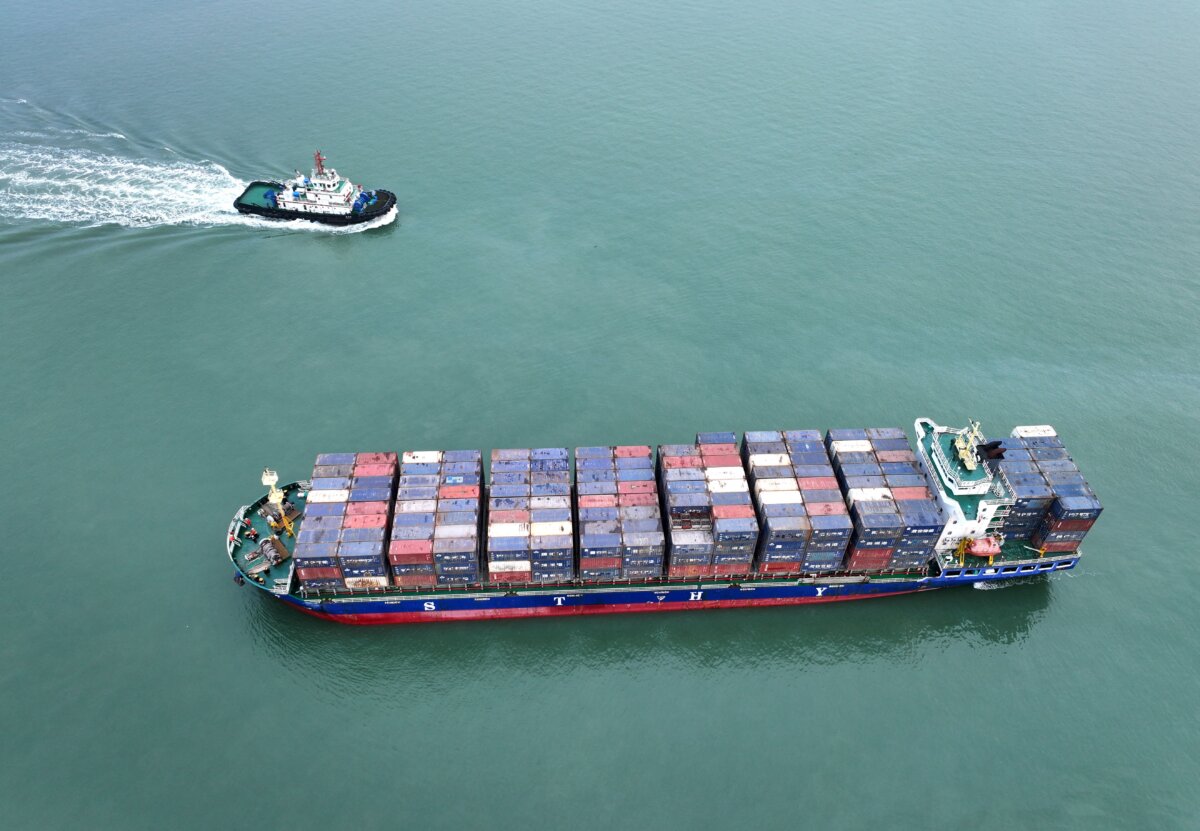

Finance ministers from the Group of Seven (G7), which includes the United States, the UK, France, Germany, Japan, Italy, and Canada, held a video conference on Sept. 12 to discuss a U.S. call to impose “meaningful tariffs” on China and India for purchasing Russian oil, in an attempt to pressure Russia to end its war against Ukraine.
U.S. Treasury Secretary Scott Bessent told G7 finance ministers in a phone call on Sept. 12 that they should join the United States in imposing secondary tariffs on countries that purchase oil from Russia, including China and India, according to a statement by Bessent and U.S. Trade Representative Jamieson Greer.
“Only with a unified effort that cuts off the revenues funding [Russian President Vladimir] Putin’s war machine at the source will we be able to apply sufficient economic pressure to end the senseless killing,” Bessent and Greer said in the statement.
The G7 ministers discussed the U.S. call, weighing in on further sanctions on Russia and a possible tariff increase on countries “enabling” Russia’s war against Ukraine during the video conference.
Earlier on Sept. 12, a spokesperson from the U.S. Treasury called on G7 and European Union allies to impose “meaningful tariffs” on goods from China and India to pressure them to stop purchasing oil from Russia.
The Trump administration had previously urged the EU to impose tariffs of up to 100 percent on China and India before extending the call to G7 and NATO allies.
Trump’s Call to NATO
On Sept. 13, U.S. President Donald Trump said on social media that he is ready to impose “major sanctions” on Russia when all NATO countries agree to do the same thing and stop buying oil from Moscow.
Trump said the 50 percent to 100 percent tariffs on China will also be of “great help in ending this deadly, but ridiculous war.”
The Trump administration has already imposed an additional 25 percent tariff on imported goods from India to pressure New Delhi to stop its purchases of discounted Russian crude oil, bringing total punitive duties on Indian goods to 50 percent. This has cooled relations between the two countries.
Trump has postponed increasing tariffs on Chinese goods over China’s purchases of Russian oil, as the Chinese regime has been using rare earth and magnets that the United States needs as a leverage in negotiations.
Most G7 countries are also members of NATO, and therefore have an obligation to align their security and geopolitical actions in dealing with Russia, economist Davy J. Wong told The Epoch Times.
However, he said that some Eastern European members, such as Hungary, Turkey, and Slovakia, “have reservations about, or have difficulty stopping purchases of Russian oil due to energy dependence, domestic politics, or strategic considerations.”
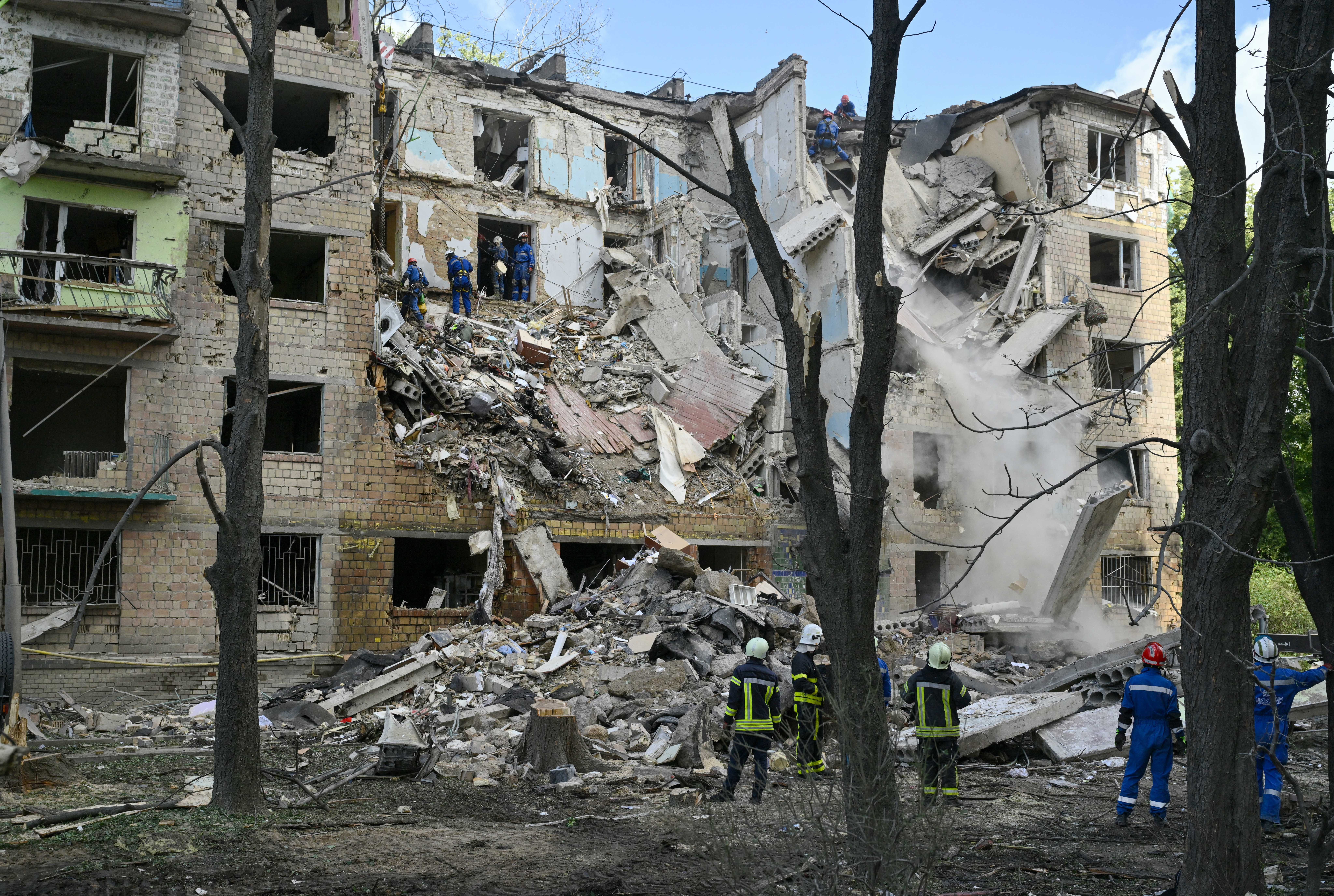
“[If most NATO members cooperate,] it would cut off one of Russia’s main sources of revenue, which would put substantial pressure on Moscow,” Wong said.
Trump’s call is a significant directional policy signal, Wong said, but the tariffs’ effectiveness will depend on “whether the G7 and NATO members are willing to bear the costs based on their domestic political and economic considerations.”
As to what percentage would constitute “meaningful tariffs,” Wong said that if the G7 and EU truly act together, tariffs of about 50 percent to 100 percent “would have a significant impact on some high-volume Indian exports and certain Chinese exports.”
“China and India currently have their own trump cards: cost, discounts, the ability to find alternative suppliers, and political autonomy,” Wong said. “However, the suggested sanctions or pressure could force China and India to make some compromises or transitions.”
G7 and EU countries might echo the U.S. message on the surface, but whether they will truly follow through is unclear, Yeh Yao-Yuan, professor of political science and international studies at the University of St. Thomas, told The Epoch Times.
“Currently, the EU and other major industrial nations still have a certain degree of trade cooperation with China,” he said.
The United States would need to convince at least one major ally, such as the UK or Germany, to do the same.
“Only then would the situation change,” Yeh said.
Russian President Vladimir Putin has been escalating airstrikes on Ukraine, especially after attending the Chinese communist regime’s large military parade in Beijing on Sept. 3.
Yeh said it shows that Putin has no intention to stop the war and that “maybe in a month or two, the EU may really lose patience with Moscow.”
“So at that time, if the United States continues to exert pressure, there may be a high possibility of increasing secondary tariffs on China and India,” he said.
India’s Considerations
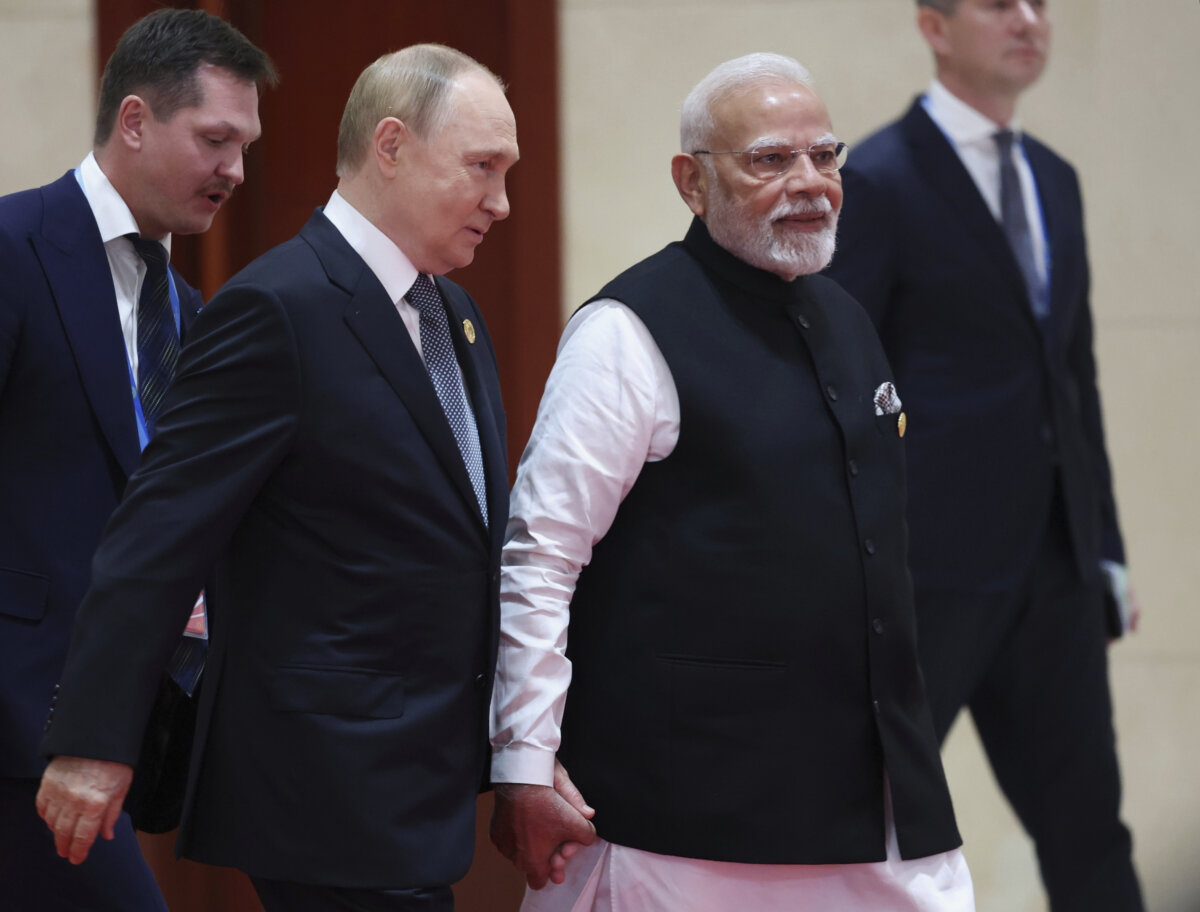
Indian Prime Minister Narendra Modi attended the Shanghai Cooperation Organisation summit in Tianjin, China, earlier in September. This was his first visit to China in seven years. During the visit, he had bilateral meetings with Chinese leader Xi Jinping and Putin. However, Modi did not attend the military parade in Beijing.
India’s diplomatic policy tends to not be overly tied to any one country, according to Wong.
“The Indian government will consider factors such as energy prices for the public, exporter interests, and industrial costs,” he said. “It is likely to react to external sanctions or tariffs, but it is also unwilling to completely sever ties with Russia and China.”
Yeh predicted that India will eventually choose to side with the United States because, strategically, it needs to compete with China for regional domination and border disputes.
“Therefore, within the larger global strategic landscape, it will eventually turn to the United States,” he said.
Yeh said Modi’s absence from the military parade in Beijing indicates that “he does not completely trust China.”
Wong said the call about imposing extra tariffs shows that the Trump administration’s foreign policy emphasizes deterrence and that its primary targets are communist China and Putin’s Russia.
“They view Russia as the greatest direct threat to Ukraine and European security, while China is seen as a long-term rival challenging U.S. dominance in global technology, economy, and geopolitics,” he said.
Luo Ya and Reuters contributed to this report.
 Friends Read Free
Copy
Facebook
Tweet
Friends Read Free
Copy
Facebook
Tweet