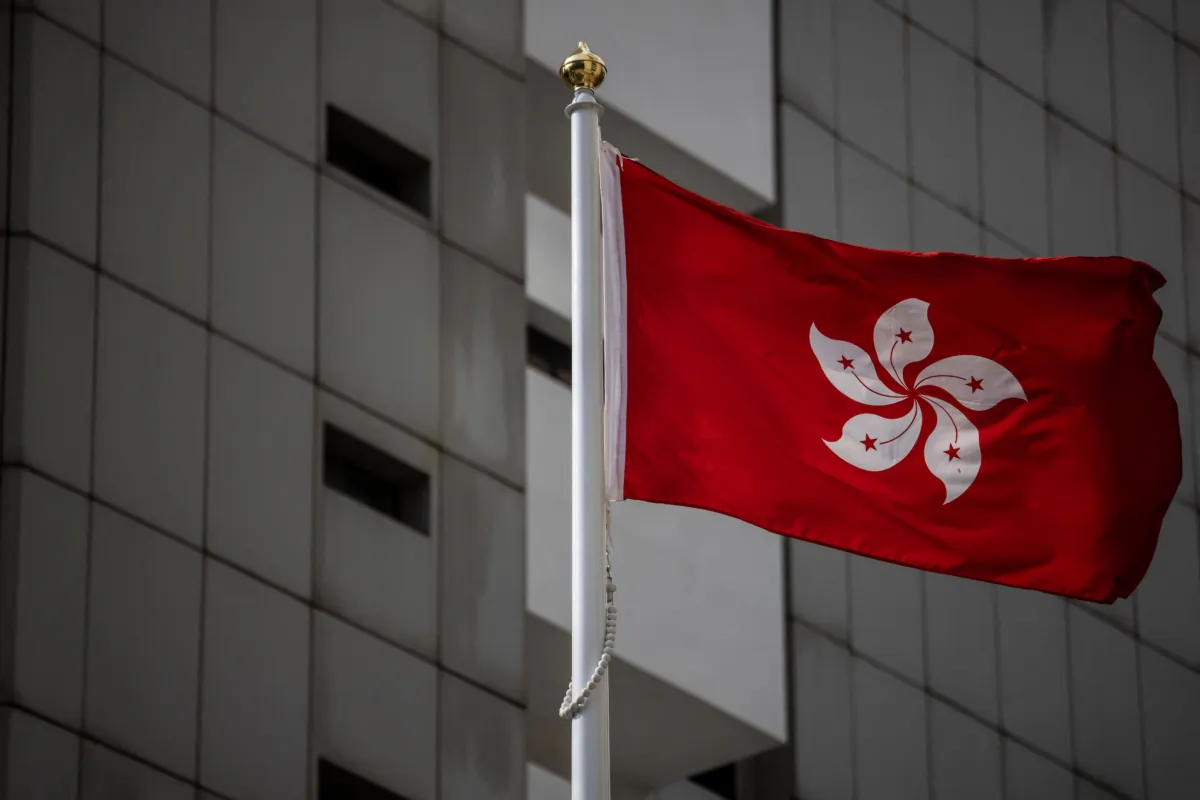

Sen. Jim Risch (R-Idaho) and the European Union decried the repression of dissent under Hong Kong’s national security law, as the city marked the fifth anniversary of the controversial Beijing-imposed law on June 30.
Risch, chairman of the U.S. Senate Foreign Relations Committee, said that Hong Kong has become “no different from China” since the enactment of the draconian law, citing the stifling of political opposition, arrests of pro-democracy activists, and subversion of the rule of law.
“Leaders in HK and Beijing must be held accountable,” the senator stated in a June 30 post on social media platform X, using an acronym for Hong Kong.
The national security law, which imposes harsh penalties for acts that the Chinese Communist Party (CCP) broadly defines as secession, subversion, terrorism, and collusion with foreign forces, can result in sentences of up to life in prison. Human rights groups have condemned this law as a means to suppress dissent in Hong Kong.
The law was imposed by Beijing on June 30, 2020, following protests against a controversial extradition bill.
About 1 million people took to the streets in Hong Kong to protest against the extradition bill on June 9, 2019, marking the start of the pro-democracy movement. A week later, another protest drew approximately 2 million people, which was the largest demonstration in the city’s history.
The EU External Action Service said the imposition of the national security law has led to the “erosion of civil liberties in Hong Kong” and severely curtailed the space for political opposition and independent civil society.
“The repressive use of the National Security Law has undermined confidence in the rule of law and Hong Kong’s international reputation,” the EU diplomatic service’s spokesperson said in a statement on June 30.
The EU also decried the Hong Kong government’s move to impose the Safeguarding National Security Ordinance and other security legislation last year that further expanded the powers of security authorities.
“Authorities continue to bring new charges against Hong Kong pro-democracy activists,” it stated. “Prolonged trial proceedings and pre-trial detention, as well as the extra-territorial application of the National Security Law are of particular concern.”
The EU said it wishes to work with Hong Kong in areas such as business and trade, but underscored the need for the city to maintain its “high degree of autonomy.”
It also called on Hong Kong authorities “to shift their emphasis towards reconciliation in Hong Kong society.”
Meanwhile, the Commissioner’s Office of China’s Foreign Affairs Ministry in Hong Kong has rejected the claims made by Risch and the EU External Action Service, accusing them of attempting to use Hong Kong “to contain China.”
The office’s spokesperson also urged foreign officials to “stop interfering in China’s internal affairs and stop meddling in Hong Kong affairs,” according to a statement.
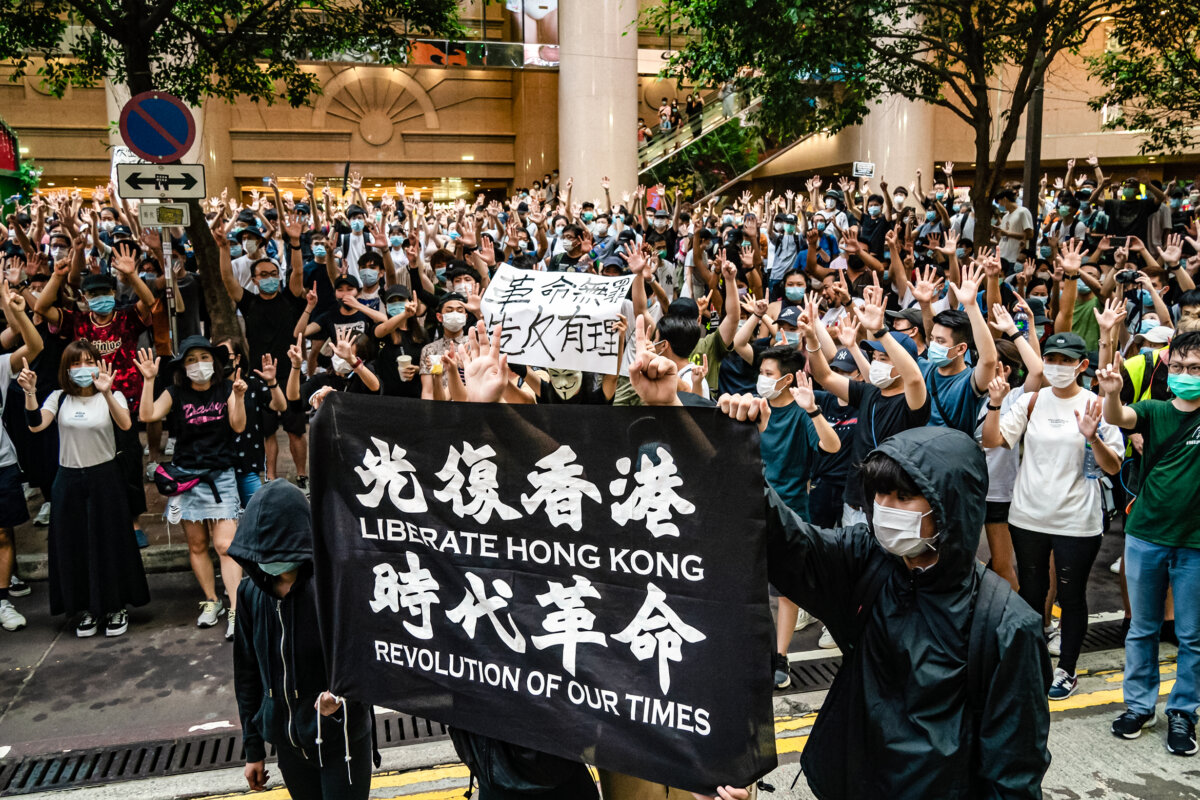
At least 332 people have been arrested for offenses related to national security since the law was enacted, with 189 people and five companies charged, according to the Washington-based Hong Kong Democracy Council.
The League of Social Democrats (LSD), one of Hong Kong’s major opposition parties, announced on June 29 its decision to disband, citing “immense political pressure” stemming from the national security law. The LSD had been the last remaining group to stage small-scale protests in Hong Kong this year.
In March last year, the Hong Kong government further tightened control on the city after passing a sweeping new national security legislation known as Article 23. The law targets political crimes such as treason and insurrection, punishable by life imprisonment.
A former British colony, Hong Kong was handed over to Chinese rule in 1997, with Beijing promising to guarantee the city basic freedoms and autonomy unavailable in the mainland, under the “one country, two systems” framework. Hong Kong marked the 28th anniversary of the handover on July 1.
A recent report by New York-based Human Rights Watch found that Hong Kong has increasingly been ruled under “one country, one system,” after Beijing announced the so-called institutional reforms in 2023, allowing the Chinese regime to be “effectively running the city.”
Frank Fang and Reuters contributed to this report.
 Friends Read Free
Copy
Facebook
Tweet
Friends Read Free
Copy
Facebook
Tweet