This article includes affiliate links, which may earn us a commission, to support truthful and independent journalism (at no extra cost to you).
Open a car door after it has been sitting in the summer sun and the heat can feel immediate. The steering wheel will be painful to touch, the seats can feel almost unusable, and the trapped air inside may be noticeably hotter than the temperature outside.
That buildup happens faster than many people realize. According to the National Highway Traffic Safety Administration, the temperature inside a vehicle can rise about 20 degrees Fahrenheit in as short as 10 minutes.
There is no accessory that can make a parked vehicle safe for an unattended child or pet. But for everyday driving, a few practical habits and well-chosen products can reduce direct solar heating, make the cabin easier to cool, and improve comfort once you get back on the road.
The simplest strategy has three parts: block as much heat as practical before parking, release trapped heat before driving, and use cooling or comfort accessories thoughtfully once the vehicle is occupied.
Quick Answer: What Helps Most?
For most drivers, the biggest improvements come from using a well-fitted reflective windshield shade, adding rear side-window shades where appropriate, choosing covered parking when available, venting the cabin before settling in, and using the vehicle’s air conditioning and recirculation settings as directed by the owner’s manual.
Breathable or ventilated seat cushions can also make hot upholstery more comfortable, while a properly secured cooler or 12-volt refrigerator can keep drinks and food cold during longer trips. These products improve comfort, but they do not make an unattended parked vehicle safe.
Why Cars Become So Hot in Direct Sun
A closed vehicle acts somewhat like a heat trap.
Sunlight passes through the windows and warms the dashboard, steering wheel, seats, and other interior surfaces. Those surfaces then release heat into the cabin, while the enclosed space makes it difficult for that heat to escape.
Dark dashboards, black upholstery, and other heat-absorbing materials can become especially hot in direct sunlight.
Cracking a window may allow a small amount of airflow, and parking in shade can reduce direct exposure, but neither measure should be viewed as protection for a child or pet left inside.
For the driver returning to the vehicle, however, reducing the amount of sunlight that reaches interior surfaces in the first place can make a noticeable difference.
Block Heat Before It Builds Up
Start With a Windshield Sunshade
The windshield is one of the largest openings through which sunlight enters the cabin, so it is a logical place to start.
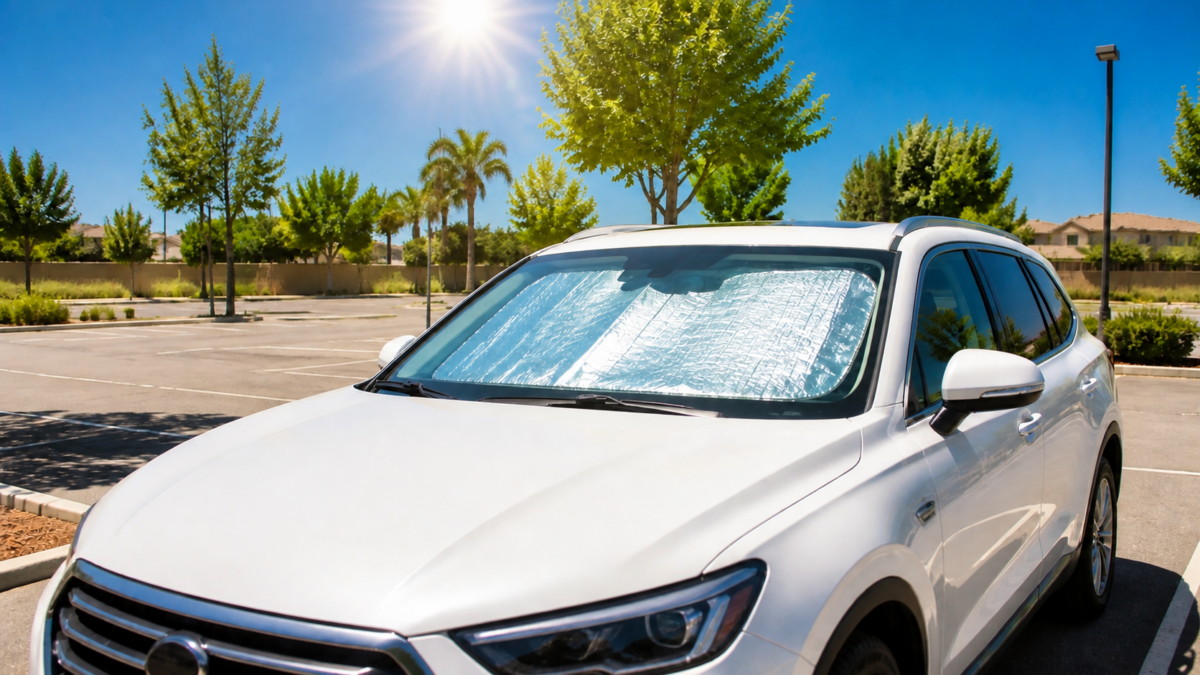
A reflective shade helps reduce the amount of direct sunlight reaching the dashboard, steering wheel, center console, and front seats. Coverage matters: a shade that leaves large gaps around the edges still allows sunlight to heat exposed surfaces.
For drivers who want a larger universal option, the Magnelex Car Windshield Sunshade, Large (63 by 33.8 inches) provides broad windshield coverage while folding down for storage.
Another more budget-conscious option is the EcoNour Car Windshield Sun Shade , Medium (64 by 32 inches), which also uses a universal-fit design.
Before ordering any universal shade, measure the usable area of your windshield. A slightly more expensive shade that fits properly may be more useful than a cheaper one that leaves several inches of glass exposed.
The Double-Layer Windshield Sunshade and Windshield Sun Shade both fit this role: each is meant to cover the front glass so less direct sun reaches the dashboard, front seats, and steering wheel while the car is parked.


Custom-fit shades can offer more complete coverage but tend to cost more and may take up additional storage space. Universal folding shades are easier to move between vehicles but require more attention to sizing.
Add Side-Window Shades Where Appropriate
The windshield is not the only source of direct sunlight.
Rear passenger windows can expose children and other passengers to glare and heat during daytime travel, particularly when the sun remains on one side of the vehicle for an extended period.
The Munchkin Brica Sun Safety Car Window Roller Shade, 2-Pack uses a retractable design that can be lowered when needed and rolled away when not in use.
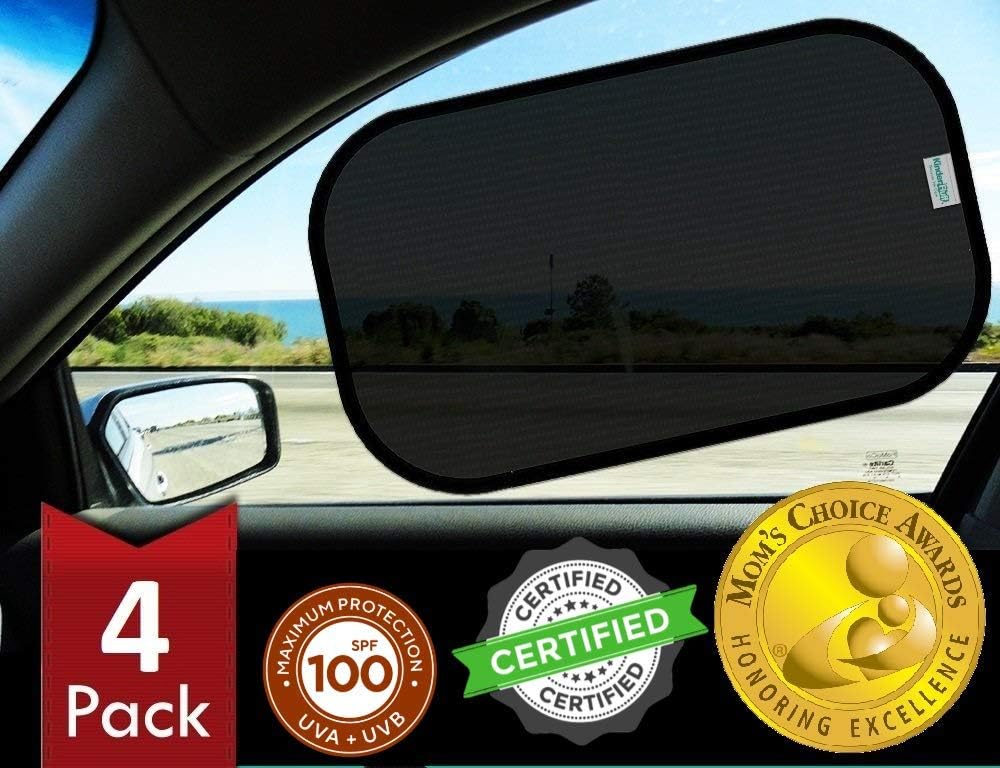
For families that prefer a static-cling design, the Kinder Fluff Mixed Car Window Shade, 4-Pack includes different visibility levels, allowing some flexibility depending on the window and seating position.
Whatever style you use, outward visibility still matters. Avoid placing shades where they interfere with the driver’s ability to see traffic, pedestrians, mirrors, or surrounding vehicles, and check applicable state or local rules concerning window coverings.
For side windows, the Car Window Sun Shade offers a retractable option with a heat-alert indicator, while the UV Protection Window Shades provide four static shades with different visibility levels for balancing glare reduction and outward view.

Choose Parking Strategically
Sometimes the best cooling product is simply a better parking space.
A garage, carport, parking structure, or a reliable building shadow can considerably reduce direct solar exposure. Tree shade can also help, although it brings its own tradeoffs, including sap, bird droppings, and falling debris.
The other limitation is movement.
A space that is shaded when you park at 10 a.m. may be fully exposed to the afternoon sun several hours later. If the vehicle will be sitting for a long period, consider where the sun is likely to move.
Window tint can also help reduce solar heat entering the cabin, but tint laws vary. If you are considering it, check local requirements and use a qualified installer rather than assuming the darkest available tint is legal.
For vehicles parked outdoors for longer stretches, a properly sized Waterproof Car Cover can add another layer of sun, dust, and weather protection, though it is more practical for planned parking than for quick errands.

Let Trapped Heat Out Before You Drive
Even with a good sunshade, a vehicle sitting outdoors on a hot day will still heat up.
When conditions allow, open the doors or windows briefly before settling in. This allows some of the hottest trapped air to escape before the air conditioner has to cool the entire cabin.
Once you begin cooling the vehicle, your owner’s manual can provide guidance on the most effective use of outside-air and recirculation modes. In many vehicles, allowing the hottest air to escape first, then switching to recirculation, can help the air-conditioning system cool the already conditioned cabin air more efficiently.
Some newer vehicles also offer remote climate control or, in electric vehicles, cabin preconditioning.
These features can make returning to a vehicle much more comfortable, but follow the manufacturer’s instructions. A gasoline-powered vehicle should never be left idling in an enclosed garage because of carbon monoxide risk.
And remember the distinction: pre-cooling prepares a vehicle for occupants. It does not make an unattended vehicle an appropriate place to leave a child or pet.
Make Hot Seats and Touchpoints More Comfortable
Sometimes the cabin temperature is manageable, but the surfaces you touch are not. A steering wheel exposed to direct sunlight can become uncomfortably hot, especially in vehicles with dark interiors. A properly fitted steering-wheel cover can help reduce the uncomfortable feel of a sun-heated wheel while also improving grip.
For a lighter, breathable option, the Microfiber Leathe r Steering Cover uses microfiber “ice silk” material and is designed for steering wheels about 14.5 to 15 inches in diameter. The manufacturer describes it as breathable, sweat-resistant, heat-resistant, and anti-slip.
A second option is the Valleycomfy Microfiber Leather Steering Wheel Cover, which uses a thicker microfiber-leather construction and an anti-slip interior. This style may appeal more to drivers who prefer a substantial grip rather than the lighter fabric feel of the Kafeek.
Before ordering either one, measure your steering wheel carefully. A cover should fit snugly and should not shift or rotate independently of the wheel while driving.
If the goal is simply to reduce direct contact with a hot wheel, the Microfiber Steering Wheel Cover adds a soft barrier, while the Leather Steering Wheel Cover offers a firmer grip surface for drivers who prefer a more structured feel.


Smaller touchpoints can heat up too: Soft Seat Belt Covers keep the shoulder strap from pressing directly against bare skin, and Gear Shift Hoodie Covers create a fabric layer over a sun-warmed shift knob.
A Center Console Armrest Cover serves a similar purpose for the armrest, adding padding between your elbow and a center console that may have been sitting in direct light.


Seats can present a similar problem, particularly with dark leather or vinyl. For drivers who want active cooling, the Zone Tech Cooling Car Seat Cushion uses 12-volt-powered airflow through the seat surface and backrest, making it the more cooling-focused of the two seat options.
For a simpler approach without electrical power, the Dreamer Car Wedge Seat Cushion uses a breathable mesh cover and passive cushioning. It will not actively cool the seat, but it can create a more breathable layer between the occupant and hot upholstery.
Before adding any seat cushion or cover, check your vehicle’s seat design carefully. The accessory should not interfere with seat-mounted side airbags, occupancy sensors, seat belts, head restraints, powered controls, or your normal driving position.
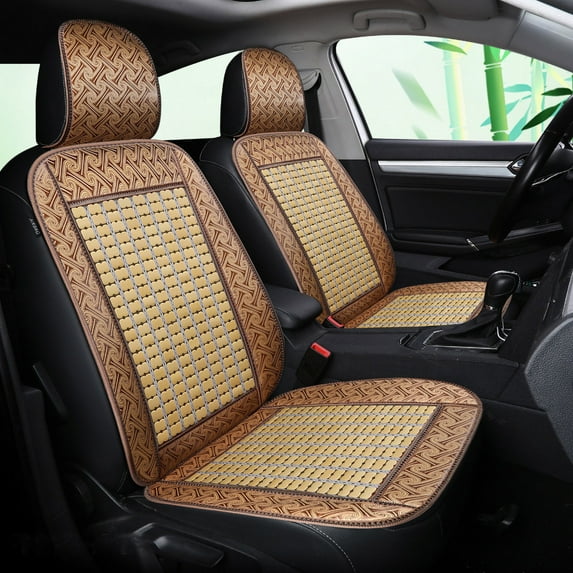
For passive airflow, a Ventilated Seat Cooling Pad or Wood Beaded Seat Cover can create small air channels between the body and the seat, which may feel less sticky during longer summer drives.
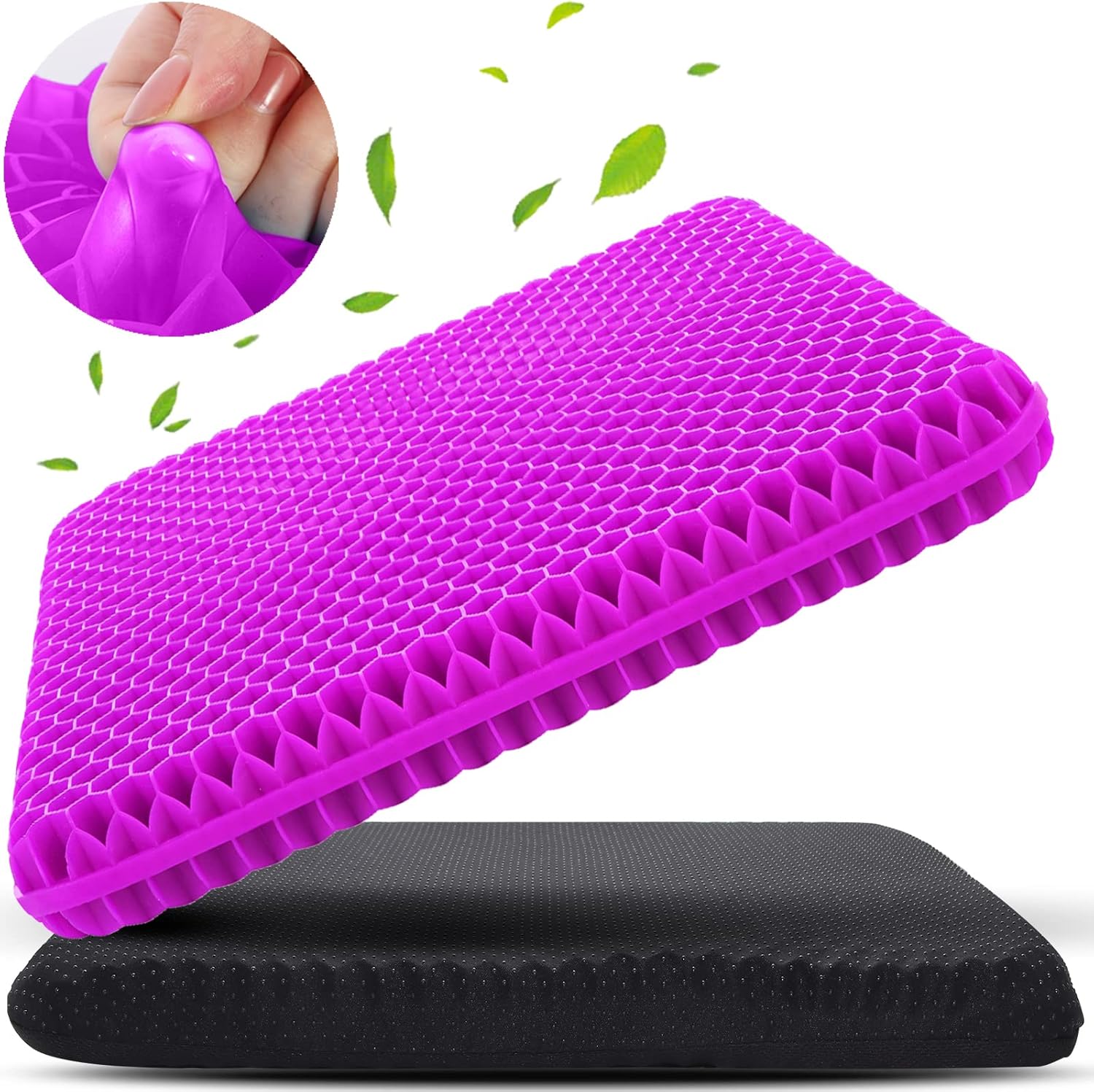
Drivers looking more for cushioning than airflow may prefer a Wedge Car Seat Cushion or Gel Seat Cushion; these options do not cool the cabin, but they can add a more comfortable layer over hot upholstery.



Keep Drinks and Food Cold on the Road
A cooler will not lower the temperature inside your vehicle, but it can make hot-weather travel considerably more comfortable by keeping drinks and food at an appropriate temperature.
The Koolatron P27 12V Electric Cooler/Warmer, 27L (29 qt.) offers a relatively roomy option for road-trip drinks, snacks, or lunch supplies. Its thermoelectric design is aimed more at convenient portable cooling than precise refrigeration.
For travelers who want better temperature control, the BougeRV 23-Quart 12V Portable Refrigerator uses a refrigerator-style approach suited to road trips, camping, and situations where maintaining a specific temperature is more important.
The tradeoff is generally cost, weight, and electrical demand.
Whichever type you choose, secure the unit so it cannot slide or become a projectile during sudden braking.
The Portable Car Refrigerator belongs in this category for trips where keeping food or drinks at a specific temperature matters more than simple insulated storage.
A Foldable Trunk Organizer with a cooler compartment can also help keep drinks, groceries, or emergency supplies in one place, which makes the car easier to manage during hot-weather errands.


Also check how your vehicle’s 12-volt outlet operates. Some outlets remain powered after the ignition is switched off, which means a refrigerator or cooler could continue drawing power from the starter battery. Use battery-protection features where available and follow both the vehicle and product manuals.
Build a Simple Heatwave Car Routine
Keeping a vehicle cooler is easier when the necessary items are already where you need them.
A windshield shade buried beneath luggage in the trunk is unlikely to get used during a quick stop. Keep it somewhere accessible enough that putting it up becomes routine.
Hot weather is also a good reminder to check the vehicle itself.
If the air conditioner seems weaker than it used to, have the system inspected rather than assuming extreme heat is the only reason. Replace the cabin air filter according to the manufacturer’s maintenance schedule, since restricted airflow can affect how effectively conditioned air reaches the cabin.
Carry drinking water for occupants during longer drives, particularly in very hot weather. But water, battery-powered fans, and cooling accessories should never be treated as safeguards that make it acceptable to leave someone in a parked vehicle.
Personal cooling items can make the ride or rest stops more comfortable: Thermal Spring Water Spray offers a quick skin-refreshing mist, while Cooling Towels can be dampened and worn around the neck or used on the face.
For directed airflow, a Portable Clip-On Mini Fan can attach to clothing or a bag, and a Rechargeable Stroller Mini Fan can be aimed where airflow is needed during supervised travel or outdoor transitions.


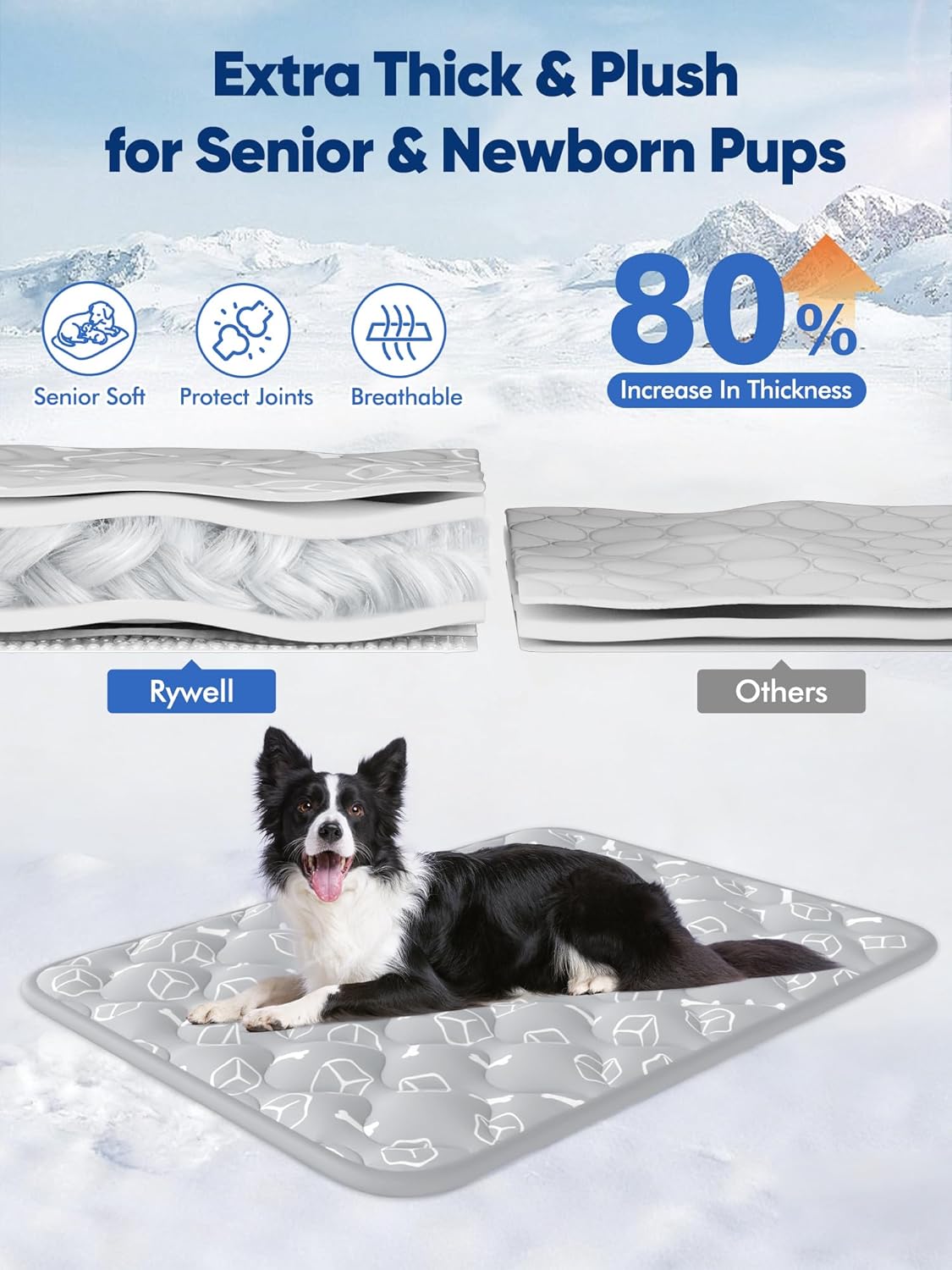
For pet travel, a Dog Cooling Mat may give a dog a cooler resting surface at a stop or destination, but it should never be used as a reason to leave an animal inside a parked vehicle.
One habit matters more than any accessory: before locking the vehicle, deliberately check both the front and back seats.
Critical Safety Reminder for Children and Pets
No sunshade, fan, seat cooler, window opening, portable refrigerator, or parking location changes the basic safety rule.
Never leave a child unattended in a vehicle, even briefly.
NHTSA recommends the simple reminder: Stop. Look. Lock. Check the entire vehicle – especially the back seat – before walking away. Parked vehicles should also remain locked, with keys kept away from children, so they cannot enter the vehicle on their own and become trapped.
The same caution applies to animals. A cracked window does not make a hot parked car safe for a pet.
If you see a child who appears to be in distress inside a locked vehicle, call 911 immediately. If an animal appears to be in danger, contact emergency services or local animal control and follow applicable local law.
Frequently Asked Questions
Does cracking the windows keep a parked car cool? No. It may provide limited ventilation, but it does not prevent dangerous heat buildup or make a parked vehicle safe for an unattended child or pet.
Do windshield sunshades really help? A well-fitted reflective sunshade can reduce direct solar heating of the dashboard, steering wheel, and front seats. It should not be expected to maintain a safe temperature throughout the entire cabin.
Can a portable fan cool a parked car? A fan moves air and may make an occupied vehicle feel more comfortable, but it does not remove enough heat to make an unattended vehicle safe.
Can I leave a 12V cooler plugged in overnight? That depends on both the vehicle and cooler. Some 12-volt outlets remain powered after the vehicle is switched off and can eventually drain the starter battery. Follow the manufacturer’s instructions and use battery-protection features where available.
Are cooling seat cushions safe in every vehicle? No accessory is universally compatible with every vehicle seat. Confirm that a cushion does not interfere with side airbags, occupancy sensors, seat belts, controls, head restraints, or your ability to maintain a safe driving position.
The Bottom Line
Keeping a vehicle more comfortable during a heatwave does not require turning it into a rolling collection of cooling gadgets.
Start with the measures that address the biggest sources of heat: block direct sunlight, choose shade when practical, release trapped hot air before driving, and let the vehicle’s air-conditioning system do its job.
From there, accessories such as a properly fitted windshield shade, rear-window shades, a ventilated seat cushion, or a portable 12-volt cooler can make summer driving more comfortable.
The most important distinction is between comfort and safety.
These products may make a hot car easier to return to or a long drive more pleasant. None of them makes a parked vehicle safe for an unattended child or pet. Every time you leave the vehicle, take everyone with you.