
Commentary
The allegations emerging from a federal criminal case involving two researchers employed at the National Institutes of Health (NIH) should concern every American, regardless of politics, ideology, or views about public health policy.
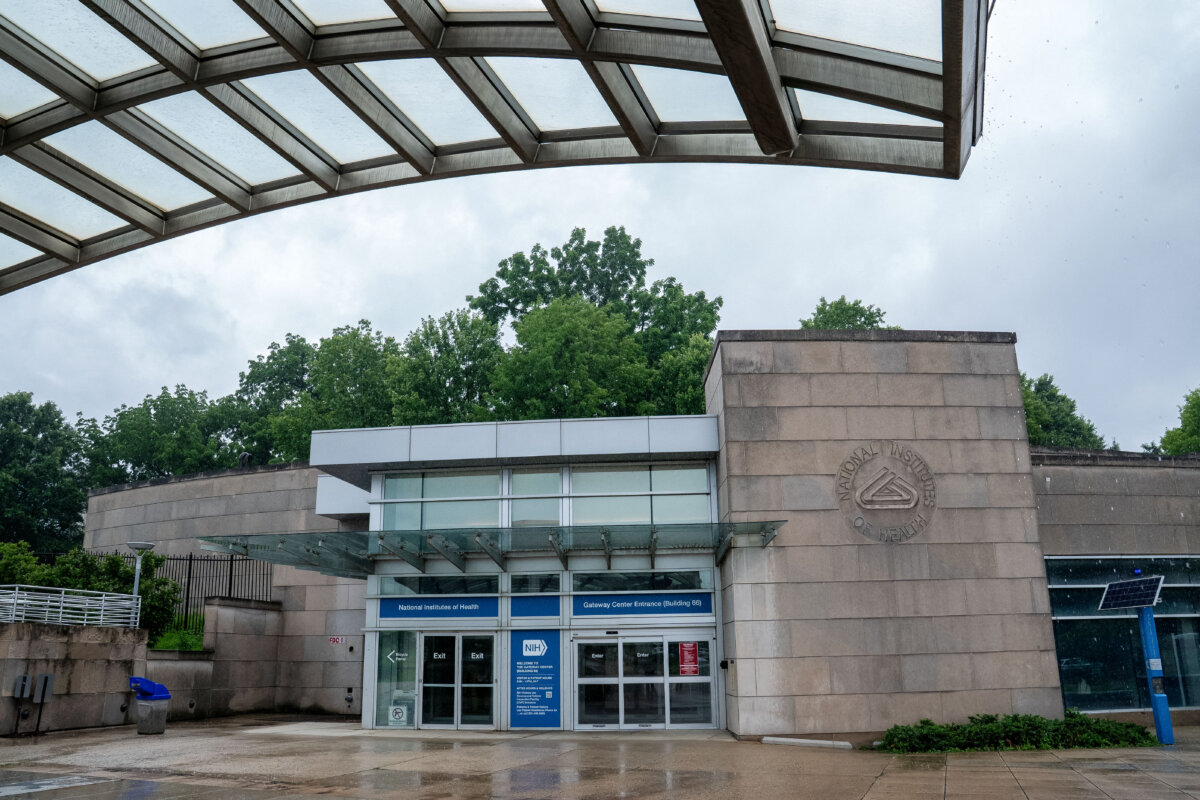
Federal prosecutors have charged two foreign nationals working at the NIH with allegedly smuggling vials containing monkeypox and other biological materials into the United States after returning from an outbreak region overseas. According to the charges, the individuals also allegedly misled federal investigators about what they were carrying.
These allegations remain allegations, and every defendant is entitled to the presumption of innocence and due process. Yet even at this early stage, the case raises profound questions about biosecurity, institutional oversight, and public trust.
Americans are still living in the shadow of a COVID-19 pandemic that altered daily life, disrupted the economy, closed schools, and left lasting scars on families and communities. The public was repeatedly told that scientific institutions deserved trust because they operated under rigorous standards, strict protocols, and a culture of accountability.
That is precisely why these allegations are so troubling.
If federal prosecutors are correct, the issue is not merely whether biological materials crossed an international border improperly. The larger concern is whether safeguards that exist to protect the public were ignored, circumvented, or insufficiently enforced.
The NIH is not an obscure agency. It is the crown jewel of American biomedical research. It receives billions of taxpayer dollars, influences global health policy, and employs some of the world’s most respected scientists. Americans rightly expect that the standards governing research at such an institution will be among the highest anywhere in the world.
That expectation is not unreasonable. It is essential.
Scientific research depends on public confidence. Citizens cannot be expected to support medical innovation, disease surveillance, vaccine development, and public health initiatives if they believe that the rules are different for those working inside elite institutions.
The questions raised by this case extend far beyond the actions of two individuals.
Who authorized the research connected to these materials? What reporting requirements existed? Were supervisors aware of the activities involved? What internal safeguards were in place to monitor the movement of biological specimens? Were there warning signs that were missed? And perhaps most importantly, how often are biological materials entering the United States from outbreak regions around the world?
Americans deserve clear answers.
This is not an argument against scientific research. To the contrary, scientific advancement remains one of America’s greatest strengths. Medical breakthroughs have extended life expectancy, improved quality of life, and helped combat diseases that once devastated populations. The work performed by researchers at NIH and other institutions has benefited millions of people.
But science and accountability are not opposing values. They are inseparable.
The more sensitive the research, the greater the responsibility to follow established procedures. Rules governing biological materials are not bureaucratic obstacles. They exist because history repeatedly demonstrates that accidents, mistakes, and lapses in judgment can have serious consequences.
Public confidence is difficult to earn and easy to lose.
For years, Americans have debated questions surrounding laboratory safety, disease surveillance, gain-of-function research, pandemic preparedness, and international scientific collaboration. Whether one believes that those concerns have been exaggerated or understated, there is broad agreement on one point: Transparency matters.
When institutions appear reluctant to answer questions, suspicion grows. When standards appear unevenly applied, confidence erodes. And when individuals entrusted with handling potentially dangerous biological materials are accused of violating protocols, the public naturally wonders what other vulnerabilities may exist.
The response to these allegations should not be partisan. Biological security is neither a Republican issue nor a Democratic issue. It is a national security issue.
The United States invests enormous resources in protecting its borders, defending against cyberattacks, and preventing acts of terrorism. Yet true national security also requires vigilance against biological threats, whether those threats emerge naturally, accidentally, or through human negligence.
The American people should expect a thorough investigation. They should expect complete transparency from federal authorities. They should expect accountability wherever facts lead. And they should expect institutions funded by taxpayers to demonstrate that the safeguards protecting public health are functioning as intended.
If the allegations prove true, this is far more than a paperwork violation or administrative oversight. It would represent a serious breach of trust at a time when trust is already in short supply.
The strength of America’s scientific enterprise has never rested solely on its discoveries. It has rested on the belief that those entrusted with advancing knowledge are also committed to the highest standards of responsibility.
National security does not begin at the border. It begins with integrity inside our own institutions. And when questions arise about that integrity, the public deserves answers—not eventually, but now.
Views expressed in this article are the opinions of the author and do not necessarily reflect the views of The Epoch Times.
 Friends Read Free
Copy
Facebook
Tweet
Friends Read Free
Copy
Facebook
Tweet