
Commentary
The United States faces a paradox. On one hand, Washington staggers through yet another fiscal standoff, each “procedural” shutdown slowly eroding confidence in the system’s ability to govern. On the other, capital surges into artificial intelligence (AI) as if no constraint existed. The dissonance between fiscal paralysis and technological euphoria is becoming the defining tension of this era.
Fiscal Credibility and the Erosion of Trust
Budget brinkmanship has become ritualized, but repetition corrodes credibility. Each near-shutdown compounds the perception that America’s political institutions can no longer deliver predictability—the one quality markets prize most. Credibility compounds; uncertainty discounts. Once investors begin pricing political risk into Treasury yields, the U.S. risks losing what no stimulus can buy back: institutional trust.
The AI ‘Great Leap Forward’
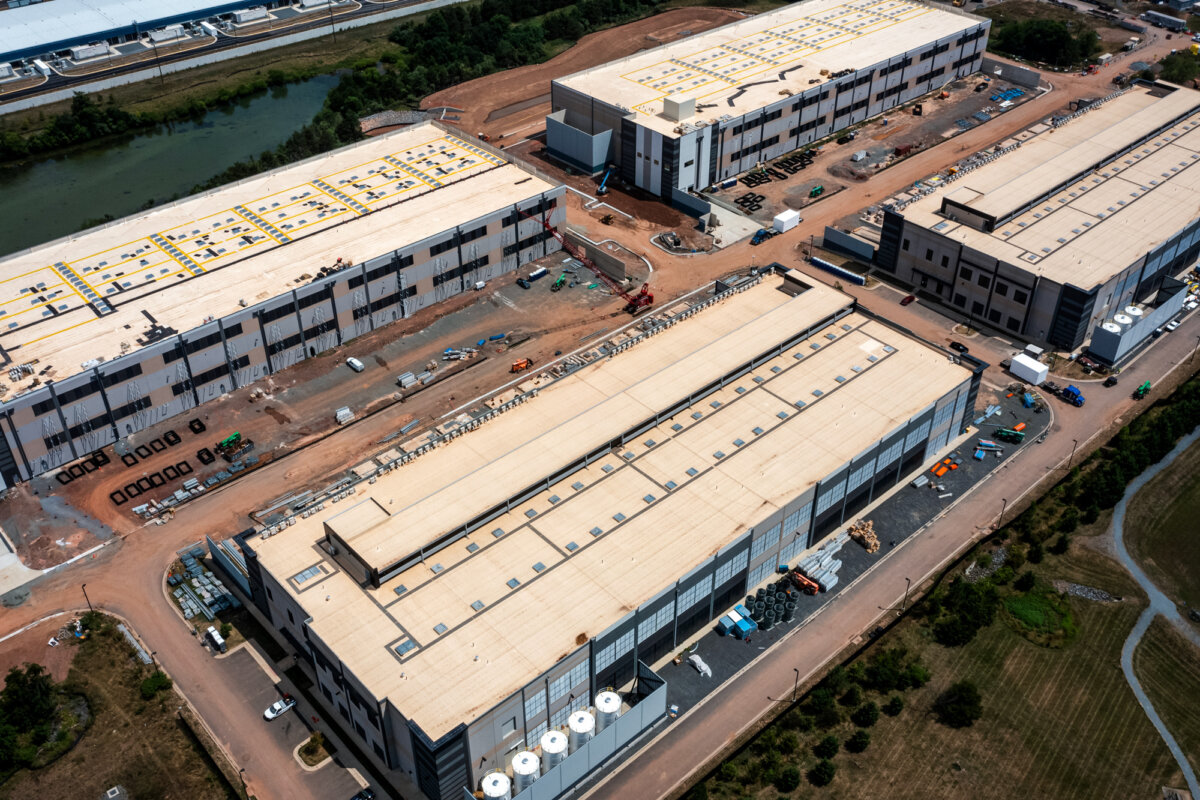
Meanwhile, an industrial surge unfolds. Capital floods into data centers, GPUs, and cloud infrastructure with the zeal of a modern “Great Leap Forward.” Optimists see the next productivity revolution. Skeptics see echoes of the dot-com and housing manias: capacity racing ahead of demand, valuation narratives decoupled from fundamentals.
The problem isn’t innovation—it’s pace without proportion. When capital becomes self-referential, chasing AI because everything labeled “AI” rises, the boom begins to rhyme with past bubbles.
Homogenization and Overbuild
From OpenAI and Google to Anthropic and Meta, the frontier models increasingly converge toward the same architectures, datasets, and benchmarks. Differentiation fades; duplication grows. Firms are building proprietary clouds and chips not out of necessity but out of signaling. Overcapacity invites the classic fate of every industrial overbuild: a price war that spares no one.
Financial Entanglement
The toolmakers have become stakeholders. Nvidia, AMD, and other suppliers now take equity in the very startups that depend on their chips. This cross-ownership amplifies both upside and risk. In boom times, leverage multiplies gains; in downturns, it synchronizes losses. The ecosystem is efficient—but fragile by design.
Maslow’s Hammer, Market Edition
Psychologist Abraham Maslow warned that “if the only tool you have is a hammer, everything looks like a nail.”
Today, AI has become that hammer. Governments, corporations, and investors alike are rebranding every policy and product through an AI lens. Capital chases fashion rather than fit, forcing applications where none are needed. The mania risks transforming a general-purpose technology into a generalized excuse.
The Need for Dynamic Balance
Political economy is the art of allocating finite revenues across defense, diplomacy, social welfare, and now trillion-dollar AI megaprojects. Balance, however, is never static; it must adapt to cycles, crises, and wars. Leadership in such an age is not measured by who spends most, but by who sustains predictability under constraint.
The world is watching whether Washington can restore that equilibrium—between ambition and discipline, between innovation and prudence. The AI revolution may indeed redefine productivity. But without fiscal credibility to anchor it, the next “boom” risks becoming just another chapter in the long history of bubbles mistaken for progress.
Views expressed in this article are the opinions of the author and do not necessarily reflect the views of The Epoch Times.
 Friends Read Free
Copy
Facebook
Tweet
Friends Read Free
Copy
Facebook
Tweet