


Commentary
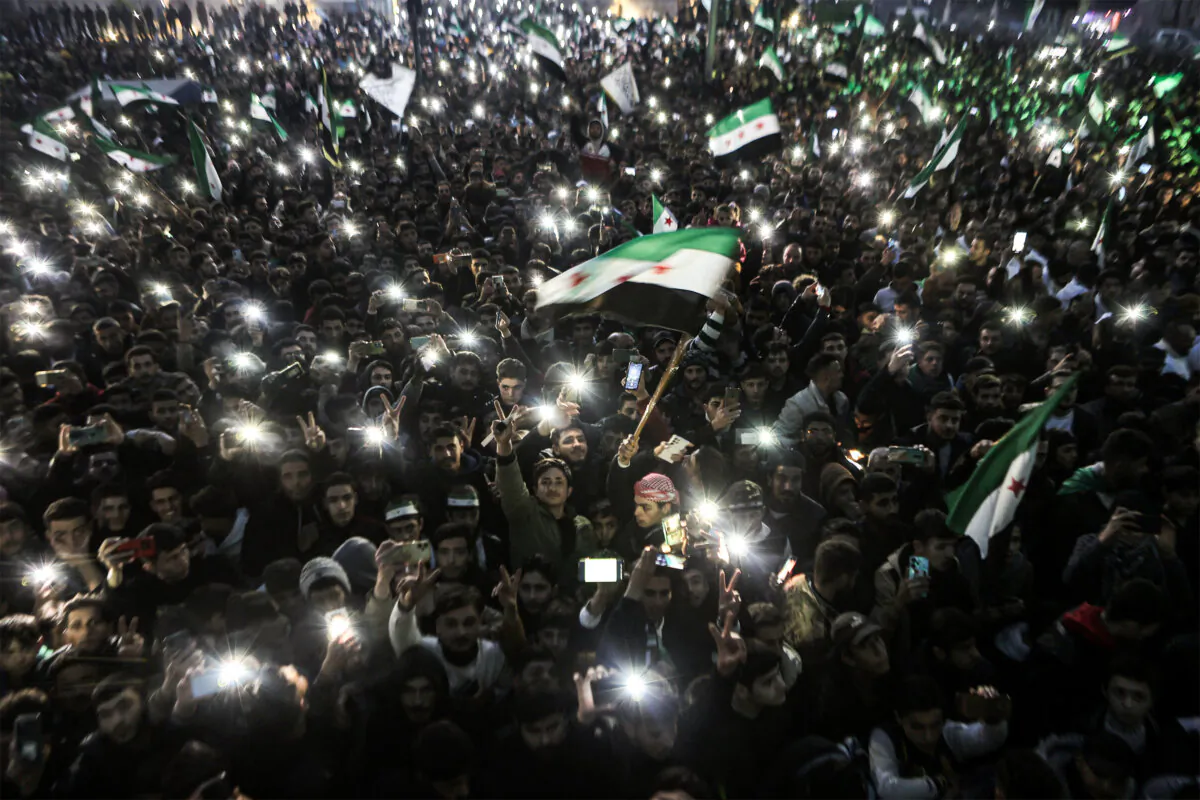
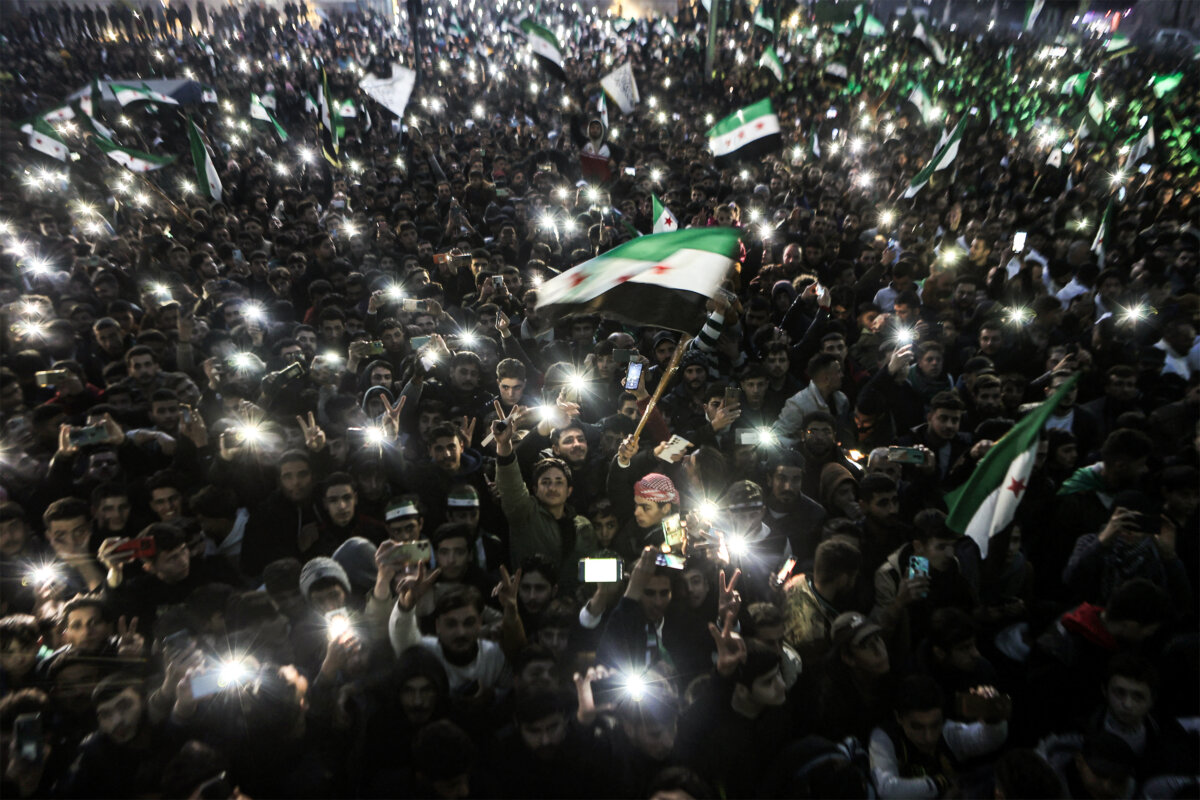
The fall of the Bashar al-Assad regime in Syria could destabilize the partnerships between China, Russia, and Iran—a loose coalition driven by shared opposition to Western powers.
For starters, the three countries have been key backers of Assad’s rule. Their weakened support significantly contributed to his regime’s collapse.
Russia, where Assad is living in exile, had been a major supporter, providing military aid and deploying mercenaries to bolster the regime. However, more than two years of war in Ukraine strained Russian resources. Although Russia still held naval and air bases in Syria, its ability to assist Assad was limited.
Iran, too, played a vital role by giving direct financial and military help. But Iran has been hit hard by sanctions and its proxies have been incapacitated by Israel, reducing its capacity to aid Syria.
Iranian proxies Hezbollah and Hamas were weakened by Israel after Hamas launched a terrorist attack on Israel in October 2023. In September, Israel’s alleged detonation of thousands of pagers and walkie-talkies used by Hezbollah in Lebanon severely impaired confidence in the group’s leadership.
China has backed Assad by vetoing United Nations resolutions against his regime and by offering investments and aid, and no direct military assistance has been reported. The Chinese Communist regime has historically been opportunistic in backing anti-Western regimes. When the strategic or economic costs became too high, Chinese support tended to shift.
The opposing forces in today’s world echo the arguments of Harvard professor Samuel Huntington, now deceased, who wrote “The Clash of Civilizations and the Remaking of World Order,” published in 1996.
The scholar predicted two major global blocs: one led by the United States and its Western allies and the other by China, supported by Russia and several Islamic countries. Although his description of post-Cold War conflicts seemed only remotely possible when his book was published, his vision resonates when viewing today’s global geopolitical landscape.
Syria’s future is still uncertain. Should it descend into a failed state, it could mirror a post-2001 Afghanistan or present-day Yemen, characterized by lawlessness, internal conflict, and lack of central governance.
This scenario would disrupt the strategic interests of Russia, Iran, and China. For instance, Russia has already begun a large-scale withdrawal from Syria. At the same time, Iran is seeing its land corridor to Lebanon compromised, a route crucial for the movement of military personnel, weapons, and resources to Hezbollah. Communist China sees a setback in its political influence in Syria, which in 2022 joined Beijing’s Belt and Road Initiative, or global infrastructure investment program—not a single project has been announced.
The international landscape could shift again after President-elect Donald Trump returns to the White House. His administration might quickly seek to end conflicts in the Middle East and Ukraine. Wrapping up the Russia–Ukraine war would also terminate the “no-limits friendship” between China and Russia, drastically changing their relationship. A more hawkish U.S. administration might concentrate on confronting the Chinese regime, which it sees as its chief rival. Such a move would strike a heavy blow to the anti-Western bloc of China, Russia, and their Middle East allies.
Views expressed in this article are the opinions of the author and do not necessarily reflect the views of The Epoch Times.
 Friends Read Free
Copy
Facebook
Tweet
Friends Read Free
Copy
Facebook
Tweet