
Commentary
Ottawa is once again easing closer to Beijing, this time under the banner of climate policy. The suggestion is that Canada should welcome China’s pledges on carbon neutrality and treat them as an opportunity for common ground on net-zero emissions. On the surface, it looks pragmatic. In practice, it is naive. Canada risks mistaking performance for progress, applauding promises while ignoring the record of the world’s largest polluter, while granting Beijing the leverage it seeks through climate diplomacy.
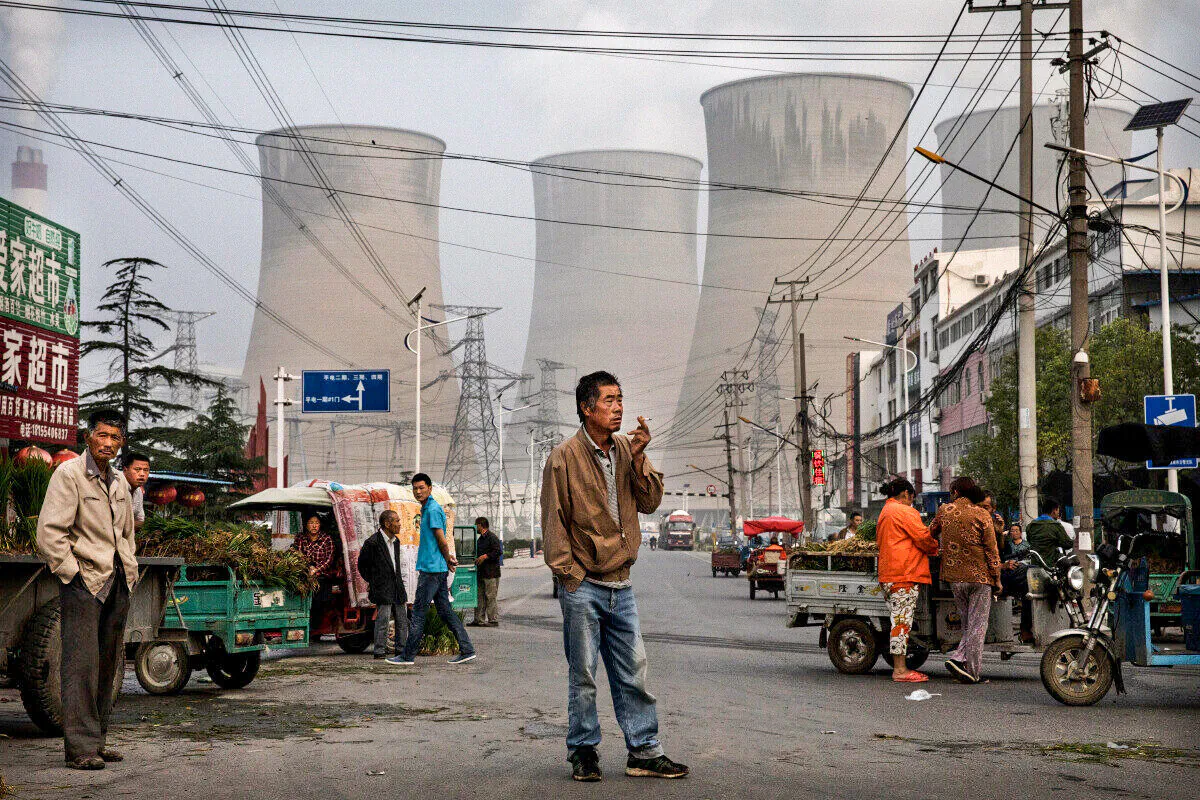
Year after year, the Chinese Communist Party continues to expand coal production and coal-fired generation, while the leadership in Beijing tells the international community that its total emissions from coal will peak and decline. The domestic reality is the opposite. Coal remains rooted in China’s energy system, heavily subsidized and politically protected. Renewable energy projects are sometimes used as propaganda, but in practice, these projects are layered on top of coal; however, they do not replace it. In Chinese provinces, renewable output is offset by coal to ensure that coal plants meet production targets. What Beijing attempts to call a “transition” is more accurately described as growth in overall capacity, designed to keep industry running and ensure political stability.
This contradiction is no accident. Climate diplomacy provides Beijing with legitimacy and leverage. It creates the image of responsibility abroad while locking in carbon-intensive growth at home. It is a tool of statecraft, not environmental stewardship. Pledges made in global forums are meant to buy time, attract investment, and secure access to Western technology. They are not binding commitments, but bargaining chips.
We have seen this playbook before. China’s entry into the World Trade Organization was sold as a milestone that would set the country on a path toward reform. Western capitals convinced themselves that trade would soften the regime and push it toward political openness. The opposite happened. WTO membership gave the CCP the tools to drive its state model, dump subsidized goods into global markets, and avoid scrutiny. Instead of adapting to international rules, Beijing skewed the system while tightening control at home.
The strategic costs of that miscalculation are clear today. WTO privileges helped hollow out manufacturing in allied nations, deepen dependency on Chinese supply chains, and hand Beijing the leverage it now wields against Canada’s closest partners. From trade sanctions on Australia to coercive measures against European states, the CCP has turned economic integration into a weapon of foreign policy. The same pattern inspires its climate diplomacy and promises designed to buy legitimacy abroad while establishing an advantage at home. Canada should not fall for the same ruse twice.
Canada should recognize that this approach fits a more strategic pattern. The CCP has a historical trend of manipulating statistics to project success. From overstated economic growth to shady COVID-19 reporting, data was altered to fit the political narrative. China’s emissions reporting follows the same path, with official accounts that obscure as much as they reveal. Independent analyses often show a gap between what is promised and what is practised.
By engaging on environmental issues with Beijing, Ottawa is attempting to build cooperation with the single largest source of global emissions. That is not leadership; it is concession. Applauding China’s pledges risks rewarding deception with credibility and undermines Canada’s standing with allies who see Beijing’s climate diplomacy for what it is: a performance. The real danger is that Canada could end up aligning its own transition policies with a regime that has no genuine intention of meeting its targets.
There is an alternative for the Canadian government which can also reduce the CCP’s foreign influence in this country. Canada should lean on alliances grounded in transparency and accountability. This may not fit neatly with today’s political agendas, but it will bolster national security and safeguard Canadian independence.
The lesson could not be more straightforward. China’s green agenda is a facade. Coal use continues to increase, emissions remain high, and promises are made for foreign audiences while domestic policies entrench the status quo. Canada should not mistake this act for genuine progress. The responsible path is to look past the performance and pursue an energy and environment policy rooted in Canadian interests, not in Beijing’s narrative.
Views expressed in this article are the opinions of the author and do not necessarily reflect the views of The Epoch Times.
 Friends Read Free
Copy
Facebook
Tweet
Friends Read Free
Copy
Facebook
Tweet