Commentary
As Fulani Islamist violence devastates Christian communities across Nigeria’s Middle Belt, Chinese mining interests, weapons flows, and land displacement are fueling the conflict while entire villages are driven from some of West Africa’s richest mineral regions.
At midnight on May 8, Fulani Islamists attacked a Christian community in Ngbrran-Zongo, a village in Kwall District, Bassa Local Government Area, Plateau State, Nigeria. Eleven Christians were killed, including Sunday Hwie, a 60-year-old community leader; Gabriel Sunday, a 17-year-old boy; Eunice Samuel, a 25-year-old pregnant woman; Laraba Sunday, a 29-year-old pregnant woman; and Festus Sunday, a 3-year-old boy.
Just a few days earlier, on May 2, eight Christians were murdered by Fulani Islamists. The following morning, the Fulani returned and attacked the funeral.
So far this year, from Jan. 1 through Easter Monday on April 6, a total of 1,402 Christians have been killed and approximately 1,800 abducted in Nigeria over a 96-day period, equating to roughly 450 killed and 600 abducted per month, according to the International Society for Civil Liberties and Rule of Law.
According to the 2026 Open Doors report on Christian persecution, of the 4,849 Christians killed worldwide for their faith during the October 2024 to September 2025 reporting period, 3,490, or 72 percent, were Nigerians, making Nigeria the deadliest country in the world for Christians.
The ongoing murder and kidnapping of Christians by Fulani extremists is well documented. The U.S. Commission on International Religious Freedom has designated Nigeria a “country of particular concern,” and members of the Trump administration have described the attacks on Christians as “genocide.”
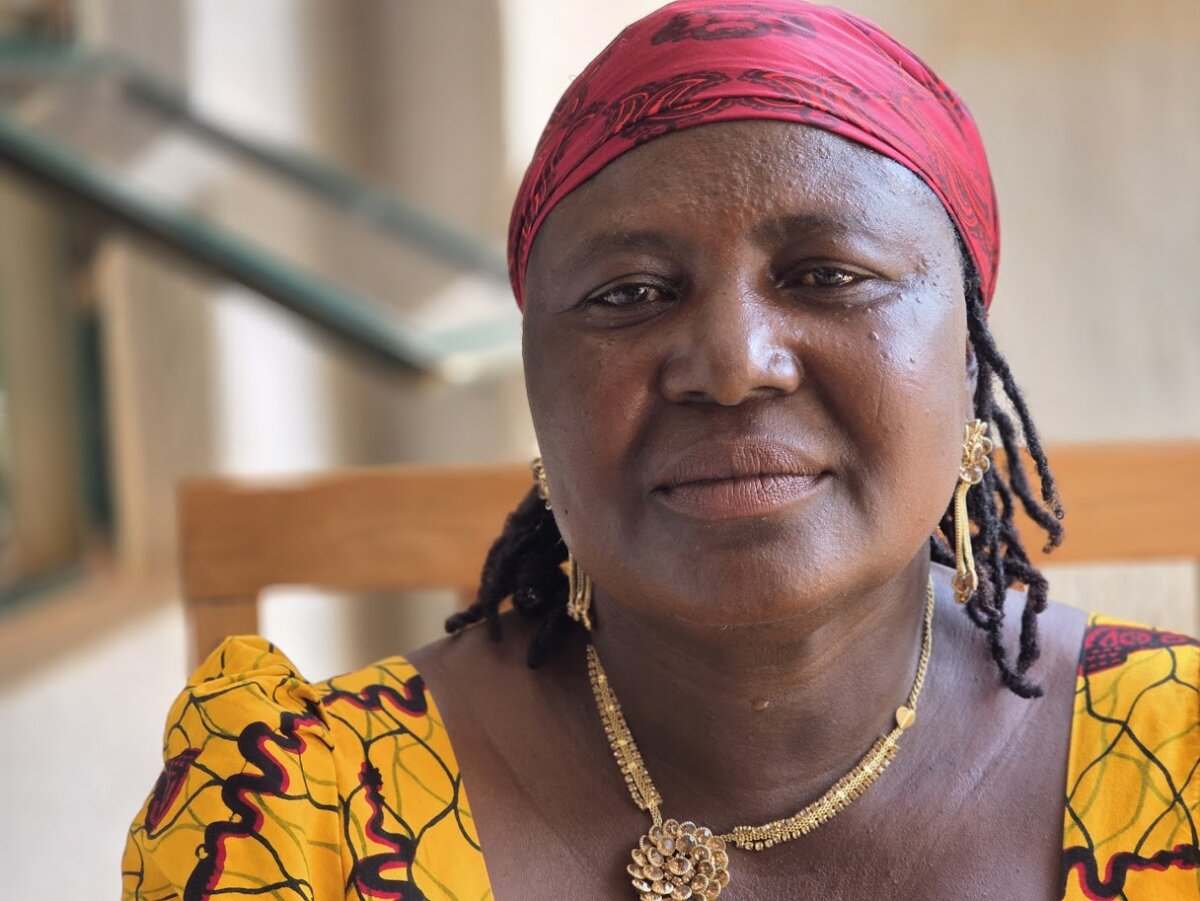
In an interview with The Epoch Times in Kaduna State, Nigeria, Jubal Bitrus Dabo, a researcher working at the Christian Awareness Initiative of Nigeria, explained that “Fulanization” is a term used to describe Fulani militants forcefully taking over indigenous land as part of a resource-based dominion agenda. At the same time, “Islamization” refers to the conversion of Nigeria from a secular state into one governed by Islamic doctrine.
Fulanization is widely believed by many Nigerians to be tied to an Islamist mandate to transform Nigeria into an Islamic state. Dabo said, “Whatever they are doing now, all these attacks, all the insecurity, it is geared towards meeting this mandate.”
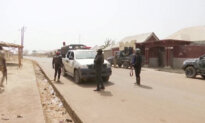
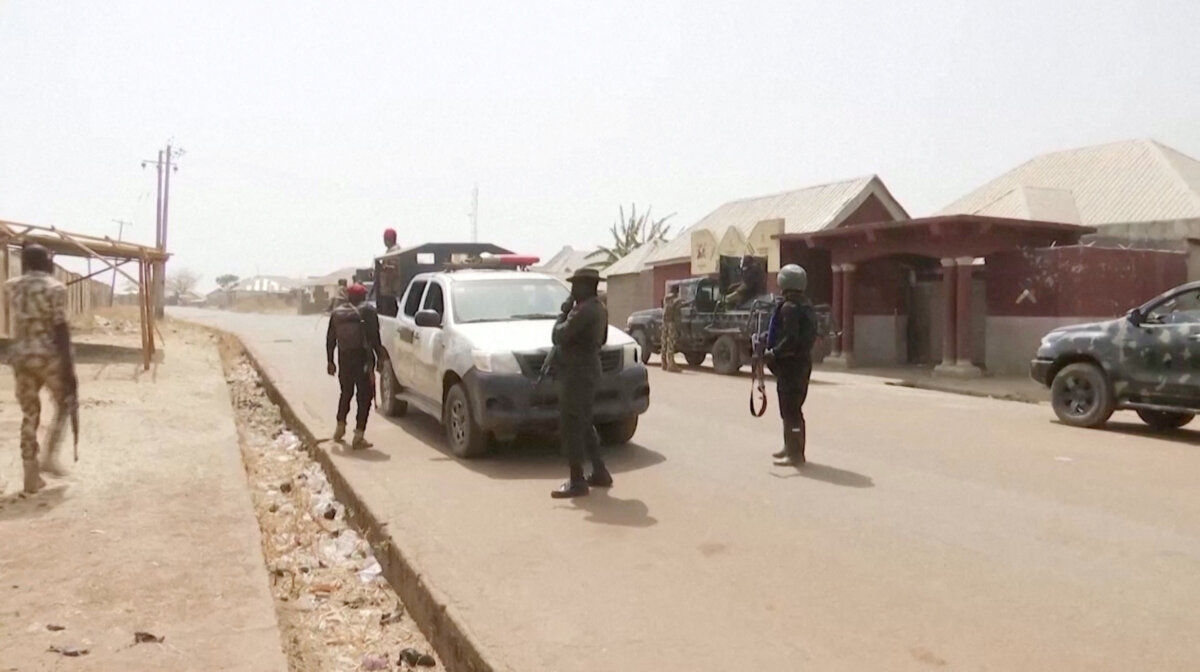
The Fulani militants are heavily armed and well organized, while the Christians have almost no weapons and no militias to defend them. Consequently, Christian villages are easy targets for Fulani attackers, who often arrive in groups ranging from 20 men to hundreds of fighters armed with AK-47s and traveling in pickup trucks and on motorcycles. According to local residents, the attackers also possess drones, RPGs, and other sophisticated weapons.
Habila Kak, a pastor in Riyom Local Government Area, Plateau State, an area that has been hit particularly hard by Fulani attacks, described firsthand what happens when unarmed Christian villages come under assault by Fulani extremists.
“From everywhere, I heard gunshots. One of the bullets came and hit me here; came out,” he said, gesturing to his wound.
Kak survived only by fleeing into the bush during the rainy season, where he hid as the attackers swept through his village.
“That is how God escaped with me,” he said.
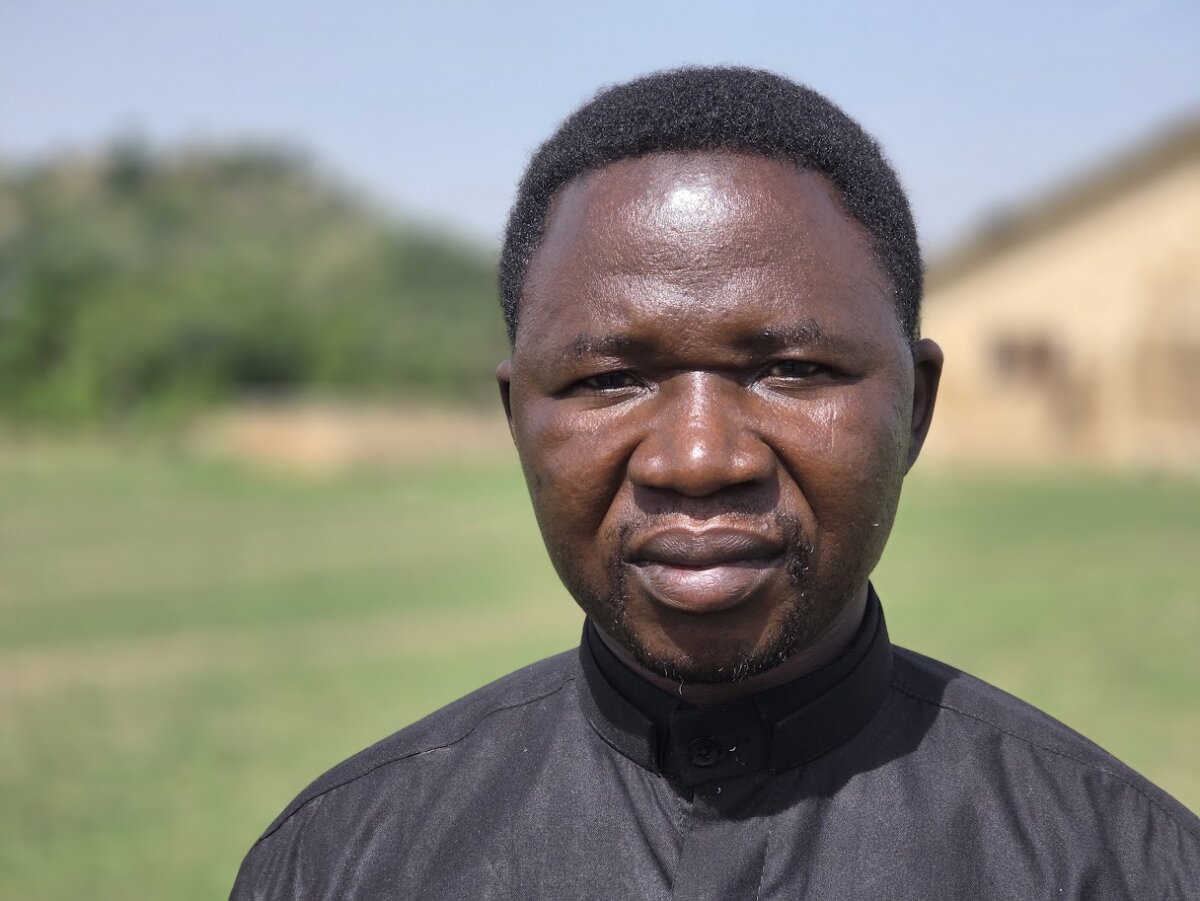
The pastor said 36 people were killed that day. The attackers burned houses and everything inside them. His own family was in one of the targeted homes but managed to flee before the flames took hold. Others were not so fortunate.
Now displaced, Kak described a community still living under siege.
“Where I am residing now, we are not getting it easy. Every day, gunshots,” he stated.
Kak said that recently, armed men attempted to enter the settlement but were repelled by local youths standing guard. Nearby communities, including one he called Joel, remain in constant danger.
“Every time, there is not a day that you cannot hear gunshots from those areas,” he said.
Kak paused, then added that recently a pastor, his wife, and their two children had been killed.
The frequency and sophistication of the Fulani attacks, as well as the specific targeting of Christian villages, raise questions about how the Fulani obtain funding and how they select particular villages to attack. One documented answer involves Chinese illegal mining operations.
Research by SBM Intelligence revealed videos of militant leaders boasting that Chinese workers wishing to operate in their areas must pay “rent.” Ikemesit Effiong, SBM’s head of research, told British newspaper The Times that Chinese operators are “perfectly willing to pay off whoever needs to be paid off.”
Chinese-affiliated miners bribed the terror faction of Dogo Gide to access mining sites in Shiroro Local Government Area, Niger State, with audio evidence capturing one of the key players describing how they negotiated with Dogo Gide’s inner circle before operations could begin, according to the Foundation for Investigative Journalism.
A local Christian leader told The Epoch Times that the Fulani use protection fees paid by Chinese businesses to buy weapons used against Christians. In nearly every attack, survivors describe the Fulani as carrying AK-47s. China’s Norinco Type 56 and its derivatives hold the largest global presence among AK-pattern rifles, distributed across Africa through decades of low-cost exports to militaries, militias, and non-state actors alike. Nigeria itself purchased 34.4 percent of its arms from China in 2021, according to data from the Stockholm International Peace Research Institute.
When the Nigerian military transitioned from the AK-47 to the Polish-made Beryl M762 as its standard-issue rifle after 2015, the retired stockpiles were never fully accounted for. A study cited by Genocide Watch found that weapons used in farmer-herder conflicts are linked to Nigerian security agencies, suggesting that diversion from state stockpiles may be the pathway by which AK-47s reach Fulani fighters. Those weapons are now being directed toward carrying out Chinese Communist Party (CCP) objectives.
Fulani militias are driving Christians off their land, after which Chinese companies acquire mining licenses once existing permits expire, while the Nigerian government refuses to grant licenses to Christians. The displaced Christians are then rehired as laborers, receiving little to no benefit from the mines on their ancestral land.
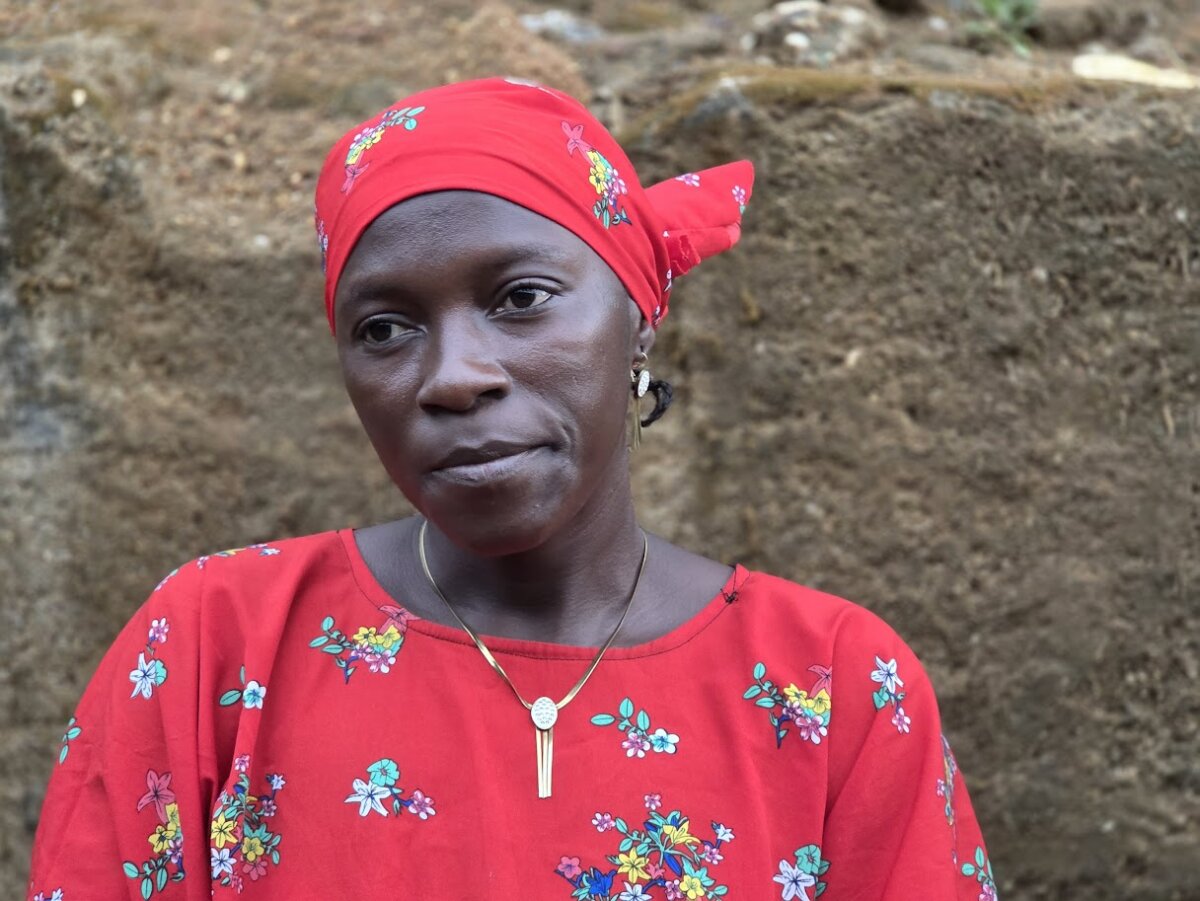
Following one killing spree in Plateau State, Fulani men moved into abandoned mining camps in Barkin Ladi and began actively mining tin, with Nigerian army soldiers reportedly serving as watchmen for the occupiers, according to Genocide Watch.
Much of the violence against Christians has taken place in Nigeria’s Middle Belt, the border between the Christian south and the Muslim north. The bloodiest zones of the Middle Belt, Riyom, Bokkos, and Barkin Ladi, sit directly atop one of West Africa’s most significant mineral belts.
As of mid-2025, Chinese companies Canmax, Jiuling, Avatar New Energy, and Asba had committed more than $1.3 billion to lithium processing projects in Nigeria, according to Nigeria’s Minister of Mines.
Traveling through Plateau State and Kaduna, I witnessed communities that have lost everything and live in daily expectation of the next attack. A pastor showed me the wound from a bullet that passed clean through his body; he survived by hiding in the bush. The village of a 3-year-old boy and two pregnant women killed in a single raid had no weapons, no militia, and no protection. What they had was land sitting atop one of West Africa’s richest mineral belts, resources that the CCP wants.
China has vetoed United Nations Security Council resolutions aimed at stopping ethnic and religious killing in Burma (Myanmar) to protect its investments there, and it has blocked the Human Rights Council debate on its own genocide against the Uyghurs. In Nigeria, the Chinese regime funds militias through mining protection payments and acquires the land once Christians are driven off it.
The CCP stands accused of genocide against Muslims in Xinjiang while simultaneously bankrolling Islamization in Nigeria, and as long as Chinese money and weapons continue flowing in, the slaughter of Christians will continue.
Views expressed in this article are the opinions of the author and do not necessarily reflect the views of The Epoch Times.
 Friends Read Free
Copy
Facebook
Tweet
Friends Read Free
Copy
Facebook
Tweet