
Commentary
Undoubtedly, energy security will be a topic of the upcoming summit between Xi Jinping and Donald Trump.
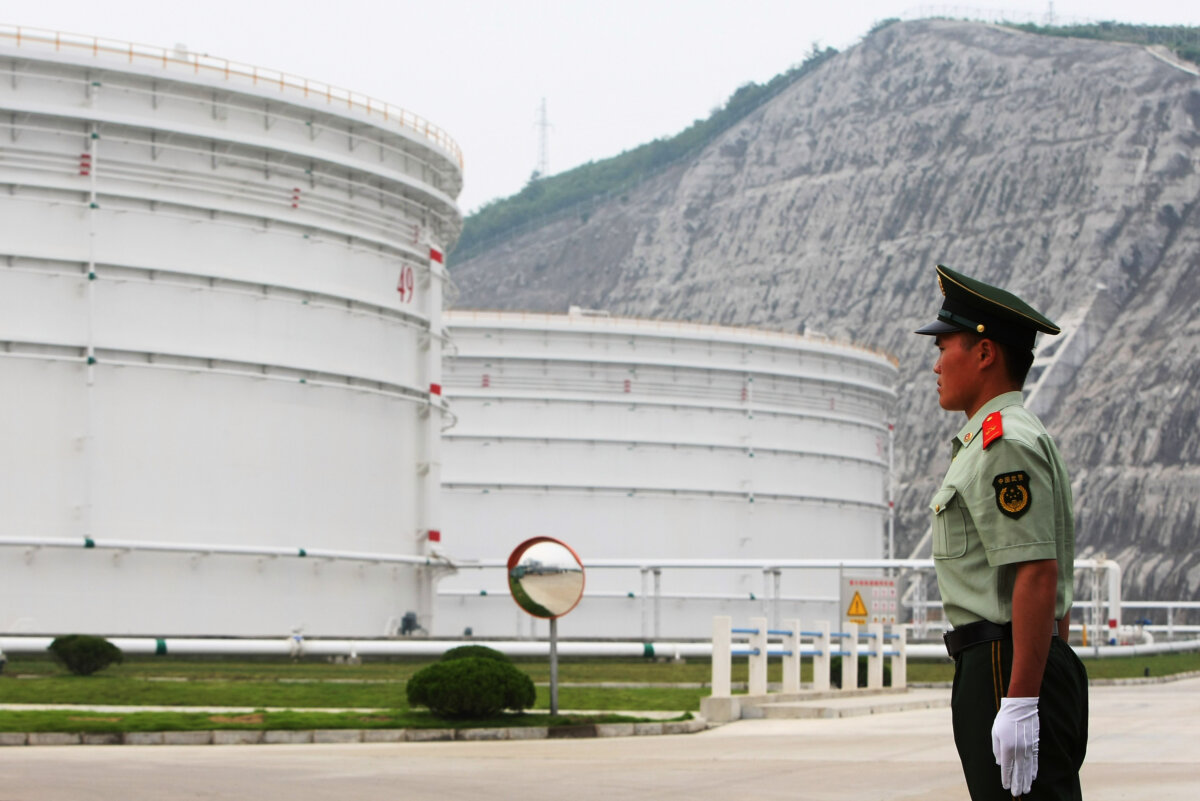
China spent years preparing for an oil shock that is now being felt worldwide. It bought crude aggressively. It expanded storage, increased domestic production, and diversified suppliers.
Relying on Strategic Reserves
Now, the test has arrived, and Beijing is beginning to draw down the very stockpiles it built to protect itself.
In August, Chinese refiners processed 13.91 million barrels of crude per day while imports and domestic production supplied only about 13.27 million barrels per day. The 640,000-barrel-per-day shortfall was covered by inventories. China drew about 639,000 barrels per day from its reserves in August alone.
China still has formidable oil reserves. Its onshore crude inventories were estimated at roughly 1.23 billion barrels as of Sept. 9. But the direction matters. August marked the third inventory draw in four months, and the pace of depletion is accelerating as Middle Eastern supplies remain disrupted.
However, Chinese oil imports rose 6.2 percent in August compared to the previous month, reaching their highest level in four months. Still, it’s more than 23 percent lower than a year earlier.
China Still Depends on Foreign Oil
The bottom line is that China remains the world’s largest crude oil importer. In 2025, it imported a record average of about 11.55 million barrels per day—roughly two-thirds of its total oil consumption and about 16 percent of global demand.
Beijing has, however, worked hard to reduce that dependence.
Domestic production has increased. Chinese oil companies have invested heavily in exploration and production. From 2018 onward, China’s state-owned oil companies spent roughly 2.3 trillion yuan, or $343 billion, on domestic output and strategic storage. Domestic crude production has risen from about 3.8 million barrels per day to 4.3 million barrels per day.
But will that be enough? It will not.
China still relies on large quantities of imported crude oil, and the war in Iran has attacked precisely the supply routes on which Beijing has depended.
Iran Is the Immediate Problem
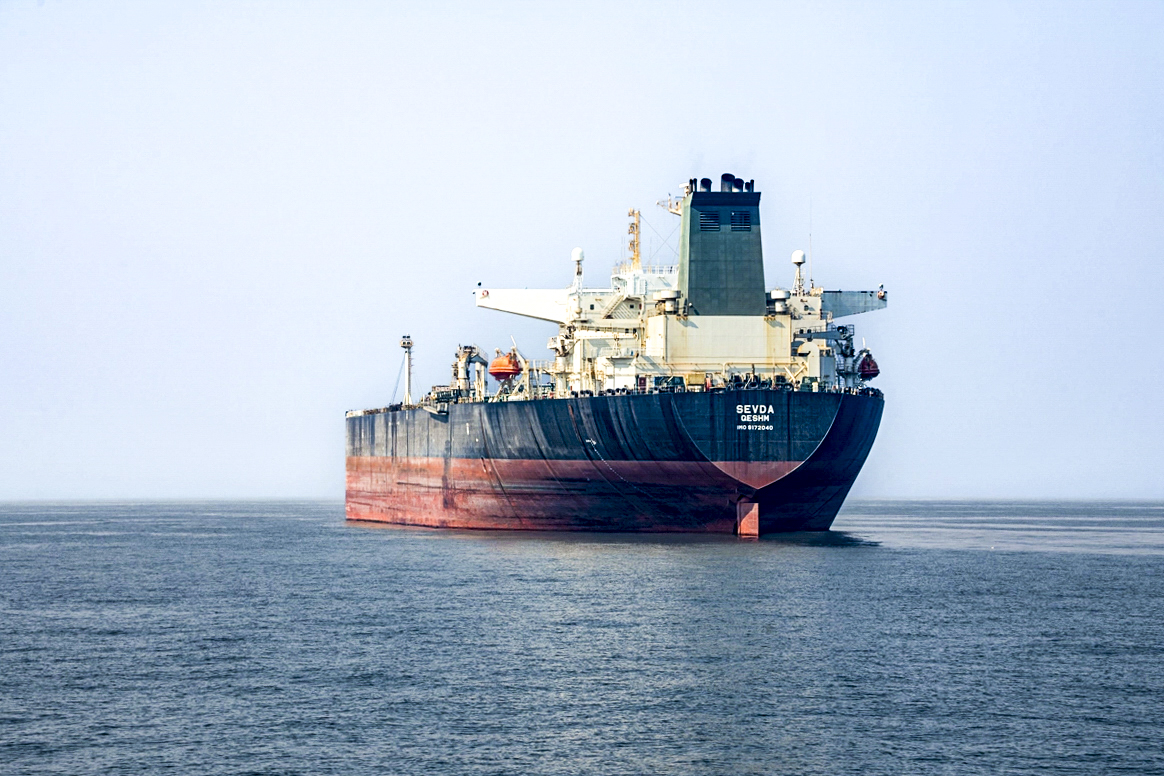
Iran was one of China’s most important sources of discounted crude.
In 2025, China bought more than 80 percent of Iran’s seaborne oil exports, according to data cited by Reuters. That amounted to roughly 1.4 million barrels per day.
That relationship worked because both countries benefited. Iran received a buyer willing to operate around U.S. sanctions, and China received discounted crude.
A U.S. naval blockade has sharply restricted Iranian oil shipments through the Strait of Hormuz. Iranian crude loadings reportedly collapsed from roughly 2 million barrels per day in March to only about 220,000 to 255,000 barrels per day in August.
Venezuela Is Another Piece of the Puzzle
China was also a major destination for Venezuelan oil, particularly after U.S. sanctions reduced the number of other buyers willing to handle it. The U.S.-China Economic and Security Review Commission noted that China became the primary destination for sanctioned Venezuelan oil.
That relationship has also been badly disrupted.
The Trump administration announced a deal giving the United States majority control over more than 65 billion barrels of proven Venezuelan oil reserves, along with preferential access to Venezuelan crude.
The impact of the deal will depend on how quickly Venezuela can restore production and infrastructure. Venezuela’s current output remains far below its potential.
But strategically, the message to Beijing is unmistakable. Two sources of discounted oil that once helped China bypass U.S. pressure are now largely controlled by the United States.
Washington Has Gained an Energy Lever
This changes the strategic relationship between Washington and Beijing. For decades, China could assume that America’s ability to pressure Chinese energy supplies was limited.
China bought oil from Iran, Venezuela, and, of course, Russia. It also built up enormous oil stockpiles to insulate itself from the supply shocks now occurring. It was a wise choice by Beijing, because Chinese oil imports are 23 percent less than they were a year ago.
But Chinese crude oil imports are beginning to rise. What’s more, even China’s massive domestic refining system for turning crude into fuels isn’t immune to U.S. policy. The United States has imposed sanctions against Chinese refineries and shipping networks involved in Iranian crude transactions.
That creates a new strategic reality.
China’s energy security increasingly depends not just on access to oil producers and open shipping routes, but on America’s willingness and ability to control the routes connecting those producers to China.
What Can Beijing Do?
China can challenge the United States diplomatically.
It can pressure Washington to end the blockade while deepening cooperation with Iran and Russia and evading U.S. sanctions, which it’s already doing. Iran and China have already established a barter-like network allowing Iranian oil to be exchanged for Chinese goods, bypassing conventional financial channels.
But every additional step increases the possibility of a direct confrontation with Washington.
Beijing’s Strategic Choice Ahead
In the near term, Beijing can slow consumption of its massive oil reserves and hope the Middle East stabilizes. It can buy more Russian and Central Asian crude and accelerate electrification to reduce demand for petroleum.
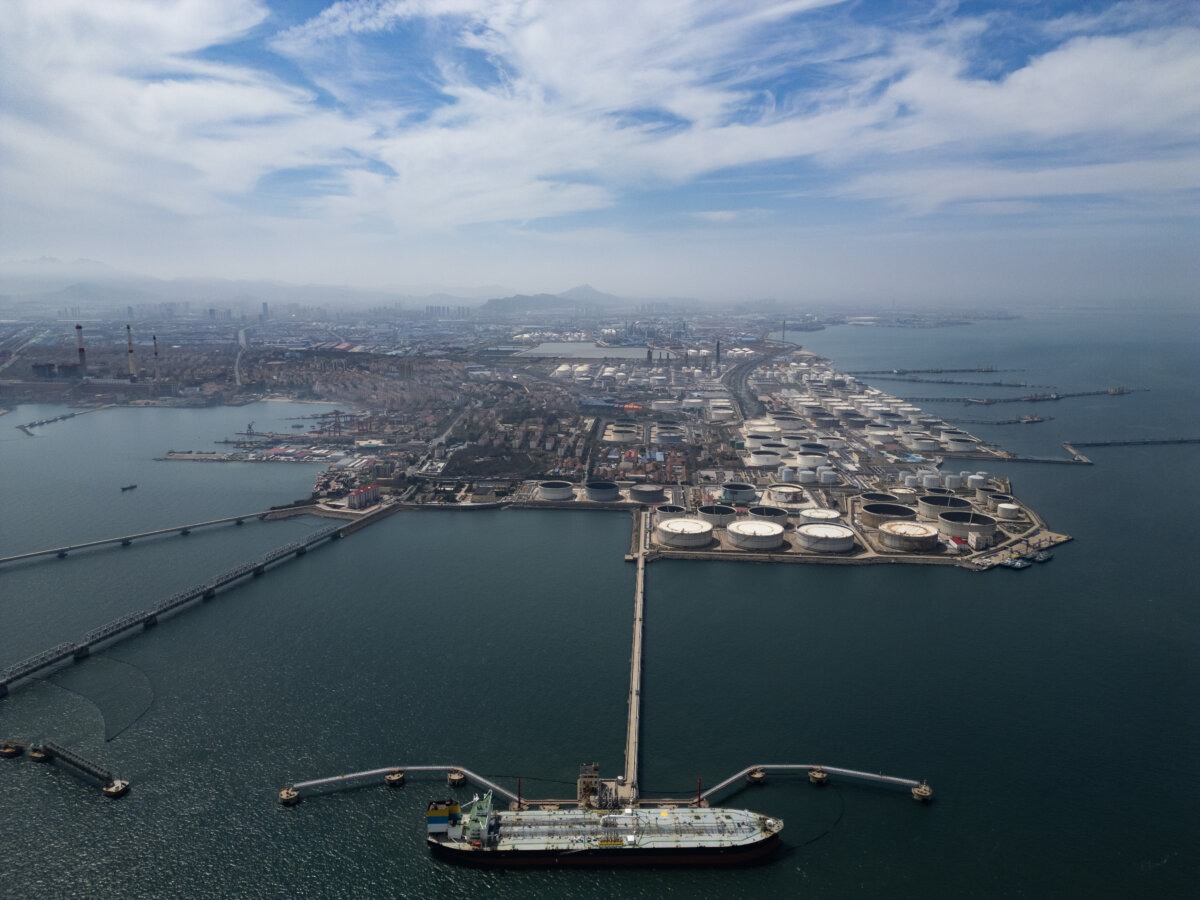
But none of the above options are a complete solution. China’s greatest energy vulnerability is that a significant share of the world’s oil must pass through strategic chokepoints it doesn’t control.
That fact reveals one more option: challenging the United States more directly and risking the escalation of an energy crisis into a broader strategic confrontation.
Views expressed in this article are the opinions of the author and do not necessarily reflect the views of The Epoch Times.
 Friends Read Free
Copy
Facebook
Tweet
Friends Read Free
Copy
Facebook
Tweet