
Commentary
By now, you’ve likely heard about Cracker Barrel’s $700 million rebrand, which sparked widespread backlash for straying from its old-time Southern roots.
It began as part of a pilot remodel project initiated by Cracker Barrel’s new CEO, Julie Felss Masino. In 2024, the Southern-themed restaurant and gift shop chain started removing its iconic antiques from 25 to 30 targeted locations. The chain’s dedicated clientele was not happy with the modernization. Yahoo Creators contributor Stephanie Gravalese described the problem this way:
“This isn’t just about lighting or new furniture. For a lot of people, Cracker Barrel’s décor was the experience. And it wasn’t just kitsch. According to Cracker Barrel’s blog, every piece—from butter churns and oil lamps to vintage signage—was a real antique, pulled from a warehouse in Tennessee that holds more than 90,000 historic items.”
If people weren’t happy with the new look, why did the establishment forge ahead with a seemingly doomed remodel/rebranding?
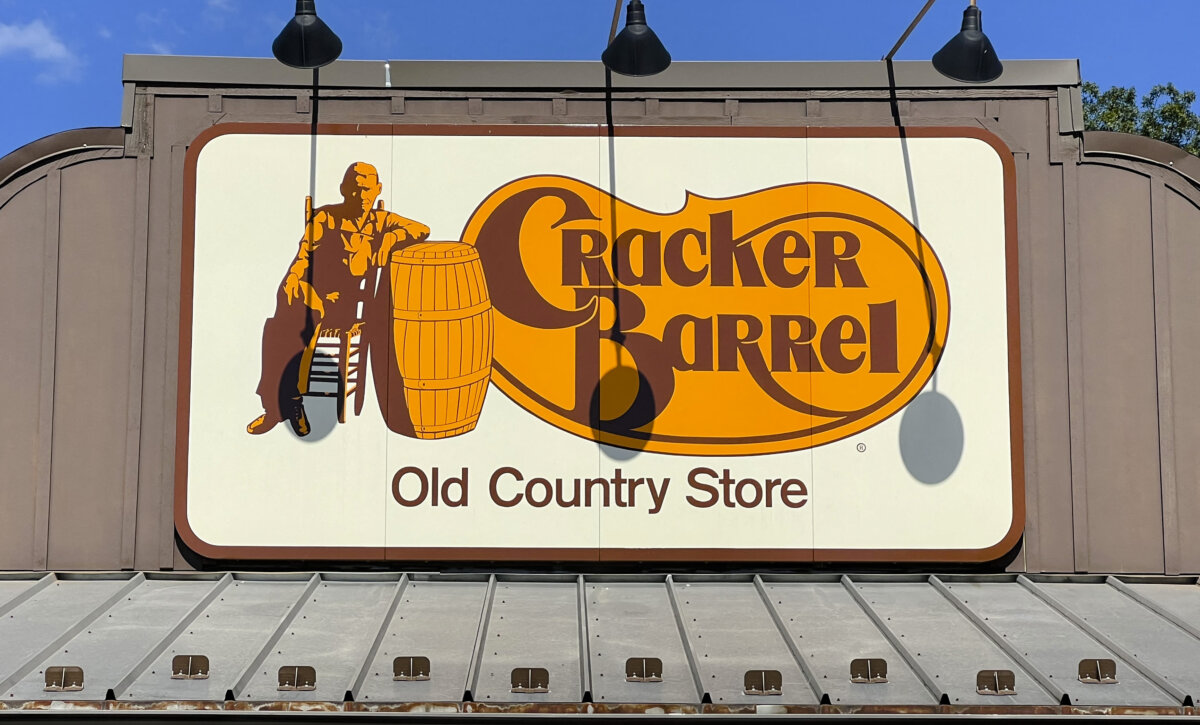
But forge ahead they did, introducing a minimalist logo and modernized restaurant design, prompting criticism from conservatives and even the president for abandoning its “classic American Southern feel.” Next came a 15 percent stock drop and $143 million market value loss by Aug. 24.
Fox Business highlighted remarks by conservative activist Robby Starbuck, who called the restaurant chain out for “woke policies.” Controversies were piling on, and a rapid decline in public favor ensued.
Suddenly, it seemed as if Uncle Herschel himself must have come back to talk them off the ledge–Cracker Barrel relented, and on Aug. 26, they reinstated the “Old Timer” logo in response to intense social media backlash. By Aug. 27, they had an 8 percent stock recovery.
How They Lost Their Way: Nostalgia Versus Globalization
If you’re anything like me, when you walk into a Cracker Barrel Old Country Store, you’re overwhelmed with nostalgia. You “ooh” and “ah” in the candy section, call your friends over to reminisce about—and play with—the toys, and eventually buy something you don’t need after spending way too much time browsing.
Amid the abundance of Americana spilling across the floor and jammed on the shelves, one label stands in stark contrast: “Made in China.” It’s jarring to see this on quintessentially American products, from Charles M. Schulz’s Peanuts to Johnny Gruelle’s Raggedy Ann and Andy, A.A. Milne’s Winnie-the-Pooh, Muriel Fahrion’s Strawberry Shortcake, and even a lighted figure of Uncle Sam himself—each one bearing that same incongruous mark of foreign manufacture.
As for the beloved characters mentioned, Cracker Barrel has no control over their production; China makes about 80 percent of U.S. toys, driven by corporations seeking low overhead and paying low wages.
Imagine what would happen, however, if Cracker Barrel went all-in on “Make America Great Again” and transformed its stores into a “Made in America” showcase?
Since Cracker Barrel derives about 80 percent of its income from restaurant revenue, it seems like a safe gamble to take.
Here are a few examples of American-made companies they could feature in their toy section:
- The All American Toy Co., home of the original Timber Toter toy truck, which made its first appearance in 1947. The company still manufactures heavy-duty model truck kits.
- The Amish Toy Box, which makes wooden toys, games, doll furniture, and playsets that emphasize simplicity, non-toxic finishes, and traditional, electronics-free designs.
- Boomwhackers by Rhythm Band Instruments; percussion-based plastic tubes enjoyed by kids and adults alike.
More companies to draw from include Uncle Goose, Beka, and Step2, just to name a few. More well-known companies that could expand their selections include Little Tikes and Crayola, whose world headquarters and major manufacturing facilities are located in Lehigh Valley, Pennsylvania.
The same could be done to replace Cracker Barrel’s large selection of imported clothing and accessories, as well as the candies and packaged food items that fill out their reimagined old country store.
Is ‘Made in America’ the Real Nostalgia?
I believe Cracker Barrel customers would gladly trade Chinese-made versions of their childhood favorites for authentic, American-made products that truly evoke the ‘old days’ of homegrown American creativity.
Maybe the most endearing part of our yesteryears isn’t a return to the toys themselves but a return to American crafting and entrepreneurship.
Every Generation Has Its Own
Brad Todd, a conservative CNN contributor, recently commented on Cracker Barrel’s CEO and the direction the restaurant is taking:
“Masino’s changes might have a sound business basis. The demographic tables may show that selling nostalgia to octogenarians like my dad as well as Gen X-ers like me—and hoping it sticks with my kids—is a dead end.”
Framed this way, the idea of forcing one generation to adopt the nostalgia of past generations seems futile. Instead, they must find a way to cater to the sentimentality of new generations.
Three Keys to Cracker Barrel’s Survival
First and foremost, if Cracker Barrel is to survive, it must address the quality of its menu—if the company does indeed source 90 percent of its ingredients from U.S. farmers and producers—the end product must be worthy of the suppliers.
Secondly, the company should continue to embrace everything that is uniquely American—and keep it center stage with no apologies. In a time when globalization seems to be screaming at us to give up our values and deny our distinctive American culture, Cracker Barrel needs to grab hold of everything it can and nail it to the wall, where everyone can see it.
And thirdly, it needs to keep some of the iconic antiques and ambience just to make the youngsters ask questions. One day, they’ll understand.
Views expressed in this article are the opinions of the author and do not necessarily reflect the views of The Epoch Times.
 Friends Read Free
Copy
Facebook
Tweet
Friends Read Free
Copy
Facebook
Tweet