
Commentary
In an era of connectedness, what happens in Canada doesn’t stay in Canada. Take auto theft as an example. The organized criminal networks export stolen vehicles through Canadian ports, including in Vancouver, Montreal, and Halifax, to foreign countries. Moreover, the British Columbia RCMP is taking action as Vancouver prepares to host the 2026 FIFA World Cup, including watching for sex tourists. An influx of human trafficking victims will be brought in, mostly from Asia, as a result of sex tourists. Those transnational crimes cannot be stopped without every country’s efforts to combat the problem as a whole.
With rampant scam call centres in Southeast Asia dominating headlines in the past few years, Taiwan law enforcement rescued 1,500 victims of labour exploitation successfully. In addition, in 2024 Taiwan blocked an online forum for large-scale child sexual exploitation called the Creative Private Room. The case highlighted Taiwan’s determination and strong capacity in tackling cybercrime while underscoring its commitment and readiness to cooperate with the world to protect children and combat transnational crimes.
The Government of Taiwan has also taken great strides in implementing the Anti-Exploitation Action Plan, which strengthened interagency coordination, established a robust anti-trafficking network, and established protocols to safeguard victims’ rights. According to the Numbeo Global Database this year, Taiwan ranks fourth among 147 countries in its Safety Index; statistics also indicate that the country faces around 1,200 reported criminal incidents per 100,000 people, well below the global average.
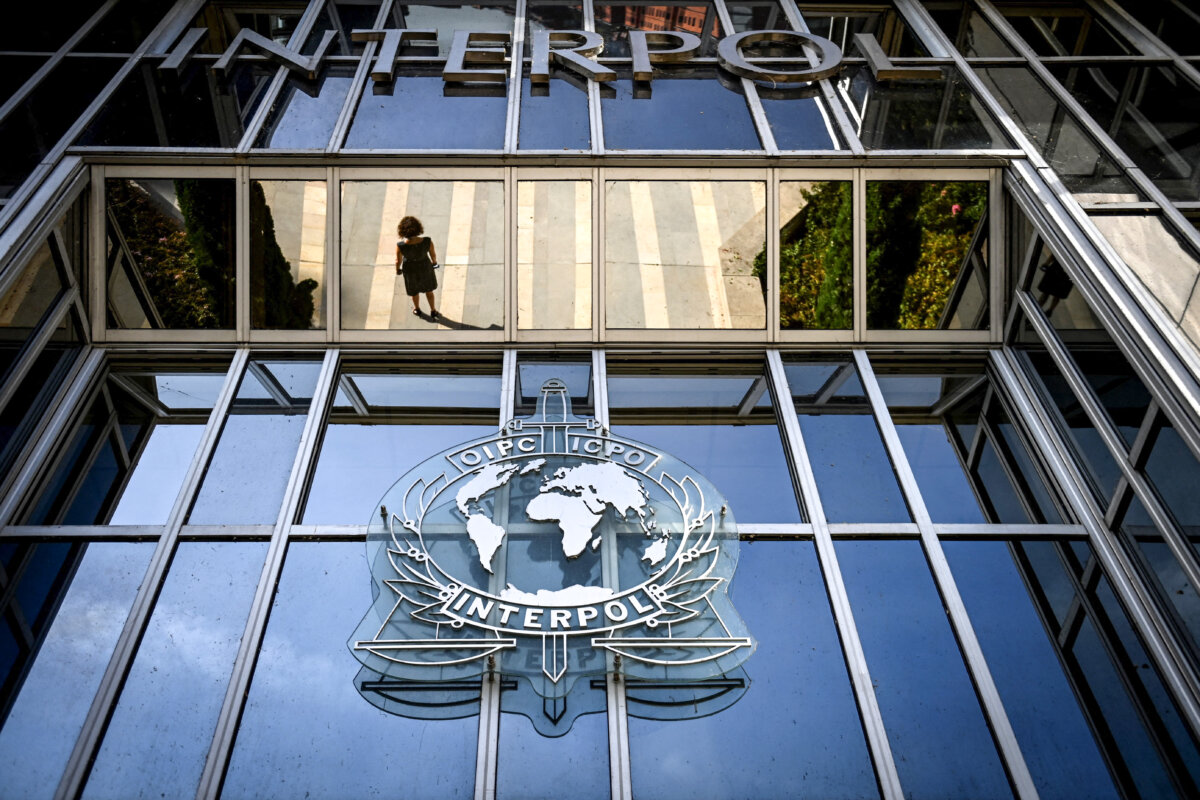
Despite all its efforts to fight against cross-border crimes, Taiwan is facing limitations. Shut out of Interpol (International Criminal Police Organization) since 1984 due to opposition from China, Taiwan does not have access to Interpol’s I-24/7 Global Police Communications System. This is an important platform for police agents to relay suspects’ locations, travel plans, and critical evidence. With access to the system, every Interpol member can work together to bring criminals to justice.
Due to Taiwan’s exclusion from Interpol, Taiwanese coast guard officers are unable to raise the alarm to neighbouring countries in the system all at once when it comes to identifying vessels implicated in human trafficking, forced labour, and illegal fishing. Apart from that, whenever Interpol issues a “red notice,” there is no way Taiwan will be aware of such a notice in real time. As a result, criminals will take advantage of this chance to expand operations and threaten both Taiwan’s domestic security and the global security network.
Taiwan’s admission into Interpol is an unresolved issue that should not be clouded by political interests. The resolution adopted by Interpol in 1984 did not exclude Taiwan’s participation. Taiwan’s law enforcement authorities remain ready and willing to contribute meaningfully to Interpol’s work on the basis of equality.
Therefore, Taiwan calls on all countries including Canada to speak up for it at international forums and take concrete action to support its bid to participate as an observer in the 93rd Interpol General Assembly, to be held in Marrakesh Nov. 24–27, and to meaningfully engage in all meetings and mechanisms of it. Most importantly, Taiwan must be provided access to the I-24/7 global police communication system and Interpol training programs so that no gap exits in the global security network.
Views expressed in this article are the opinions of the author and do not necessarily reflect the views of The Epoch Times.
 Friends Read Free
Copy
Facebook
Tweet
Friends Read Free
Copy
Facebook
Tweet