Commentary
The negotiations with Iran, including over the issue of Lebanon, have become so complex that it bears reminding oneself how the war started.
The regime in Iran, including the Islamic Revolutionary Guard Corps (IRGC), is autocratic and hangs democracy advocates in Tehran. The regime seeks regional hegemony and sees democratic Israel as complicating this goal. The mullahs and IRGC are anti-Semitic and have pursued nuclear weapons, tolls on international shipping in the Strait of Hormuz, and proxy terrorist groups across the region.
Iran’s proxies—including, most prominently, the Hezbollah terrorist group in Lebanon—attack U.S. allies, including Israel and Saudi Arabia. The attacks have been particularly harsh against Israel and have resulted in Jewish villages near the Gaza Strip and Lebanon emptying because of the persistent threat of missiles, rockets, and cross-border raids.
As many as 250,000 Israelis were evacuated after the Oct. 7, 2023, surprise attack, including between 60,000 and 80,000 people from areas near Lebanon after Hezbollah joined the fight.
The United States and Israel fought back by destroying much of Iran’s nuclear weapons development sites, its navy, its air force, and many of its international terrorist networks. The Hamas and Houthi terrorist groups have been subdued, but the IRGC still threatens maritime movements in the Strait of Hormuz.
Hezbollah is still highly active in Lebanon and, on June 19, allegedly killed four Israeli soldiers. Israel’s retaliation is often about 10 times as severe, and in this case, 47 Lebanese died, likely including civilians.
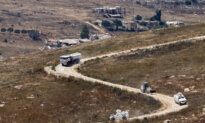
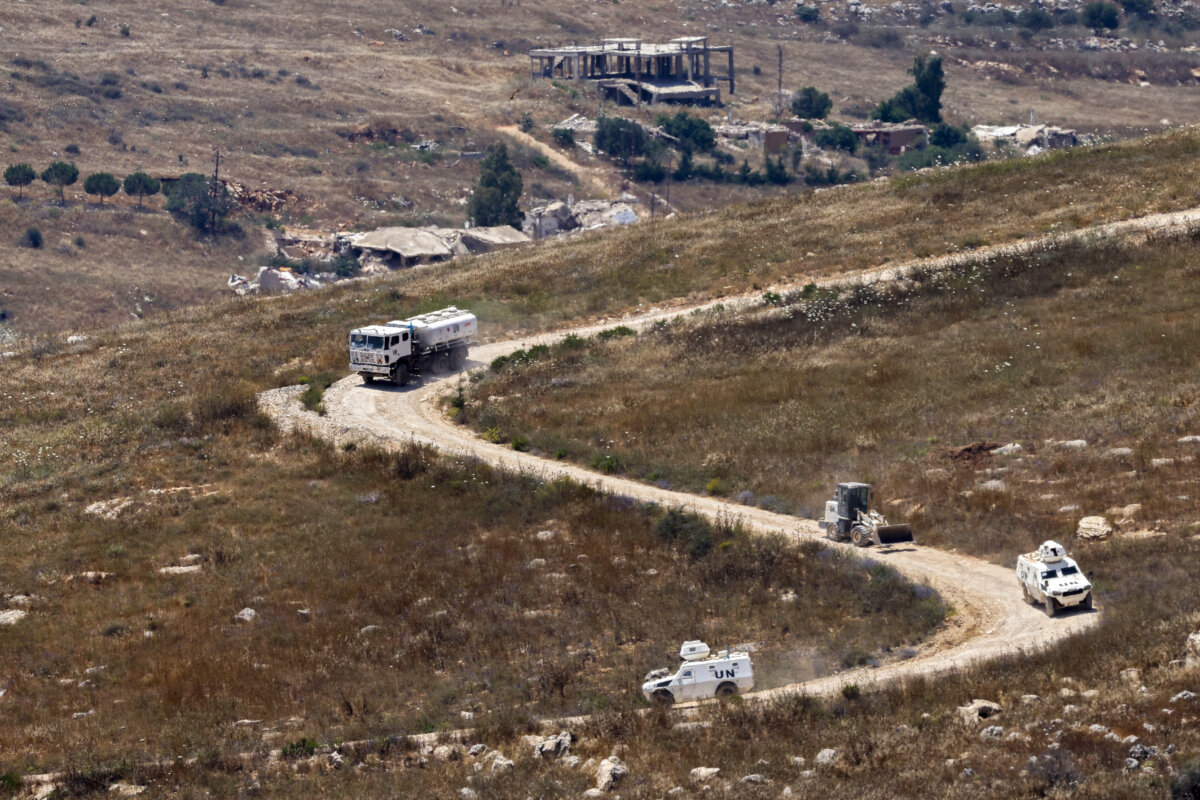
Hezbollah has long exploited a weak government in Lebanon to take territory near the Israeli border. Israel recently responded with a military operation in Lebanon and a six-mile “security” or “buffer” zone between Hezbollah and Israel. This pushes Hezbollah sufficiently far from the border so it cannot shoot anti-tank missiles into Israel.
A similar security zone was established by Israel in 1985, but Israel pulled back in 2000. That now appears to have been a mistake, as Hezbollah filled the power vacuum.
As much as 73 percent of Israel’s population now supports making a security zone up to the Litani River permanent. That zone would, in many places, be beyond the approximately six-mile zone now in place. As Hezbollah’s weapons technology improves, a six-mile security zone is no longer sufficient. It cannot stop Hezbollah’s explosive drones, for example, from reaching Israeli territory or the Israeli soldiers within the zone.
Ultimately, Israel will most likely be safe only when Hezbollah’s networks throughout Lebanon, including in Beirut, are disarmed and demobilized.
The security zone and evacuation orders have tragically entailed the removal of about 1 million Lebanese. This is in part for the population’s own protection and the protection of Israel, as Lebanese civilians were living in a war zone and providing unwitting cover to Hezbollah terrorists.
If the Lebanese government were to step up and disarm Hezbollah, as the United States and Israel are asking and as international law should require, then these residents could move back to their homes. As usual, a capable and effective government is required to protect its citizens.
Iran resists the disarmament of Hezbollah and wants the U.S.–Iran agreement to depend on an end to Israel’s fight against the group. However, the majority of the Lebanese people want it disarmed. So Israel is doing Lebanon a favor by targeting a terror group that holds critical Lebanese territory.
The fear in Lebanon is that Israel really seeks territorial expansion into Lebanon. Yes, Israel needs to create a security zone between Hezbollah and northern Israel if Beirut cannot do so. The occupation is costing Israeli lives and hurting Israel’s reputation in much of the world. So Israel’s security has been hurt by a war it did not start. Israel is not yet asking for compensation for its losses, although that would be reasonable.
The real reason for the security zone is, not surprisingly, security. If Lebanon wants to retain all of its territory, it is the responsibility of the Lebanese people and their government to ensure that none of that territory is used by terrorist groups such as Hezbollah to launch attacks on neighboring countries. Disarming Hezbollah requires the active support and leadership of the Lebanese government and is the ultimate responsibility of Lebanon’s military.
U.S. Secretary of State Marco Rubio is negotiating with both the Lebanese and Israeli governments to achieve a pilot project that could lead to a phased Israeli handover of parts of the security zone to Lebanese military units, to ensure that Hezbollah both disarms and then cannot rearm. If the pilot works, the initiative could be expanded incrementally until the entire security zone is handed back to Lebanon’s military.
If Beirut cannot manage this, which is likely, then Israel is justified in continuing or expanding its anti-terrorist campaign in southern Lebanon. Understandably, many Lebanese do not like this, but they are free to disarm Hezbollah themselves if they can do so.
Views expressed in this article are the opinions of the author and do not necessarily reflect the views of The Epoch Times.
 Friends Read Free
Copy
Facebook
Tweet
Friends Read Free
Copy
Facebook
Tweet