
Commentary
The idea of spring cleaning is just a cultural cliche, right? Surely it is just a rule of thumb, like a timed reminder of what you should be doing all the time.
Not at all. It stems from a genuine reality born of tradition as dictated by the seasons. The winter months have shorter days and less sun for drying and airing clothing, sheets, seating covers, and blankets. Plus, with colder weather, it is far more difficult to do the washing. It’s not possible when the temperature drops below freezing and cold air prolongs drying time.
Plus, with less sun, dirt and oil are less noticeable in any case. The windows are shut, and soot from heating and fires is more hidden. Everything gets gradually dirtier.
But when spring comes, everything changes. The fires go out, and the windows and curtains come open, revealing a layer of dirt crying out to be scrubbed. Plus there is an entire winter of buildup from clothes, towels, sheets, and sofa covers, to say nothing of tablecloths and linens.
The symbolism of rebirth in nature and hence in our homes is also there.
You might say that none of this matters anymore. We need not pay attention to seasons nowadays, thanks to technology. We have machines to do our washing and drying, and central air machines that heat, cool, and filter. And sure, those can make a difference. But let’s not kid ourselves. Although the machines are convenient, it comes at a cost.
Nothing compares with the sun in terms of cleaning and disinfecting. And long sudsy soaks in tubs are the only path to a complete clean. In any case, even if we don’t deal with soot and smoke much anymore, everything still gets dirtier in winter because of mud and salt brought in from the outside, staining rugs and floors.
Let’s say that you are convinced that now is the time to go room by room, remove your clothing from drawers and closets, and air out the house generally. How are you going to go about it?
If you are like most Americans, you go to the store and load up on cleaning sprays, floor cleaners, window cleaners, various mixtures designed for stoves and ovens, stain removers, and furniture polish, among many other commodities that line the store aisles.
Few features of American life paint as unflattering a picture of cultural gullibility as the ubiquity and variety of our cleaning products. It’s an industrial scam that never gets old: new packaging, new promises of convenience and effectiveness, and a new higher price. It seems to have worked for longer than a century.
I’m here to tell you that you need none of these products. None. Don’t even be tempted by the elaborate promises. You can save yourself hundreds of dollars and lots of room in your cabinets by stopping their use entirely.
All you really need is white vinegar, which is super cheap, some detergent of the most basic sort such as Borax, lots of baking soda, some hydrogen peroxide, some trisodium phosphate, and some bleach. You don’t need anything else.
For windows, people have long used specialized window cleaners, which I find exceedingly strange given that water with some white vinegar actually works much better. Try it one time and you will never go back. This works for all mirrors and windows without exception. You can use it on tall windows too with a bucket and mop followed by a run of the squeegee.
This also works for outside porches, which are undoubtedly filled with winter muck and dirt.
There is this product called the chamois cloth (or shammy). It can be the natural kind from leather or a synthetic variety. I see no real difference. In either case, they are just magical and last seemingly forever. They work because they are soft, highly absorbent, and porous. They are perfect for all cleaning needs and dry quickly.
You will find so many uses for this thing. It washes up very easily, too. It’s especially great for all outside jobs.
The same mixture of water plus vinegar is great for mopping all floors, including hardwood (but don’t leave puddles on hardwood).
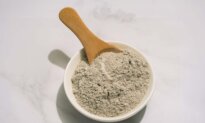
The baking soda is excellent for surfaces in your kitchen, including stainless steel refrigerators and electric stovetops. It has a gritty texture that works to scrub away stains, and it dissolves with water. On fabrics such as seat cushions or tablecloths and napkins, it is nothing short of magic.
If you want to have fun, put baking soda on a wet surface and add some vinegar to the mixture. It will instantly start to fizz and boil. It reaches deep into stains this way.
As for carpets and rugs, I strongly recommend against using any detergent or soap. It only stays in the rugs and serves as a magnet for dirt later. So it will look clean and get dirtier faster later. This is why when you hire professional rug cleaners, you should tell them not to use any detergent at all. Ever.
What should they use? You guessed it: water with vinegar. If they resist your suggestion, call another company. The last thing you want on your carpet or rugs is soap.
What to do with your hydrogen peroxide? This is very useful for wine and food stains on tablecloths and napkins, or blood stains on anything. Mix it with soap and water, and the stain will go away. I’ve cleaned half a bottle of dark red wine from a white linen tablecloth, dried on and deeply stained, with excellent results.
Bleach should be reserved for the bathroom, including toilets and tubs. It should never touch clothing because bleach decays cotton fabrics. That said, it is excellent for bathrooms and shower curtains.
As for furniture, make your own polish with olive oil and lemon juice, or you can substitute coconut oil with lemon juice. Apply it with a chamois cloth: a bit here and there and rub it together. It will do a better job than any furniture polish and not leave a waxy film after you are done.
With these few simple, time-tested ingredients and tools—white vinegar, baking soda, Borax, hydrogen peroxide, a bit of bleach for the bathroom, a bucket, and a trusty chamois cloth—you’re fully equipped to restore your home to its freshest state. No arsenal of specialized sprays, no mysterious chemical cocktails with unpronounceable names. Instead just use honest, effective cleaners that have served households for generations.
Spring cleaning is a ritual of renewal. It’s the moment we throw open the windows, let the sunlight pour in, and reclaim clarity. There’s something deeply satisfying about surveying a room you’ve scrubbed by hand, knowing that every surface is truly clean rather than temporarily masked by artificial scents and residues.
In an age in which we’re constantly sold the idea that convenience requires complexity and that better living comes from buying more products, spring cleaning offers rebellion. It reminds us that the best solutions are often the simplest ones, rooted in nature, proven by time, and kind to both our homes and our bank accounts.
Keep in mind: This is not a chore. It is an opportunity to prove your value as a human being, man’s hands transforming man’s environment to make it more wonderful and livable. This season, skip the overloaded shopping cart. Grab the basics, roll up your sleeves, and rediscover the quiet joy of a genuinely fresh start. That’s what spring is for.
Views expressed in this article are the opinions of the author and do not necessarily reflect the views of The Epoch Times.
 Friends Read Free
Copy
Facebook
Tweet
Friends Read Free
Copy
Facebook
Tweet