
Commentary
Clearly we face a crisis and, as usual, need a national strategy. But before getting into practical details, please take a minute to list the top 5, 10, or if you’re gloomy, 25 things I could and should be talking about. Done? OK. Here’s the actual topic: the availability of yams in supermarkets for recent immigrants.
Yams? Those things that only look like sweet potatoes which you also don’t own? Yup. And silly you, listing the fiscal crisis, our enfeebled military, Islamism rampant in our streets, the alienation of youth, unaffordable housing, and long health-care waiting lists. Especially the fiscal crisis.
Thanks to Tristin Hopper at the National Post, we learn that the feds, hard at work on their “austerity and investment budget,” greenlit $600,000, a lifetime of your shabby personal income taxes, to that international beacon of elite research, Kwantlen Polytechnic University, to create not just a paper but an entire position on the “cultural, social, economic and environmental factors” of why, allegedly, black and Caribbean immigrants struggle to get “culturally preferred food” including cassava and, yes, yams.
Since no sum is too high to obtain that kind of arcane knowledge, forget just Googling that cassava, or Manihot esculenta, must be boiled carefully or it will poison you, then at best yields tapioca. I hereby volunteer to answer these vexed questions for a mere $250,000.
While waiting for the e-transfer, here’s the broad outline. First, if you like the way things are where you are, but not how they are in Canada, don’t come here and immediately start complaining. Including whinging that the astounding variety of great food people love from around the world, conveniently available in sanitary, efficient supermarkets, boutiques, and even pharmacies, doesn’t always include some weird gunk your granny made that people with choices don’t gravitate to. (Try finding haggis, for instance.)
Second, if you must have a yam for full happiness, go to a store and tell them that if they stocked it, or some other particular item, you would purchase it. This approach has worked for everyone else. Why not you?
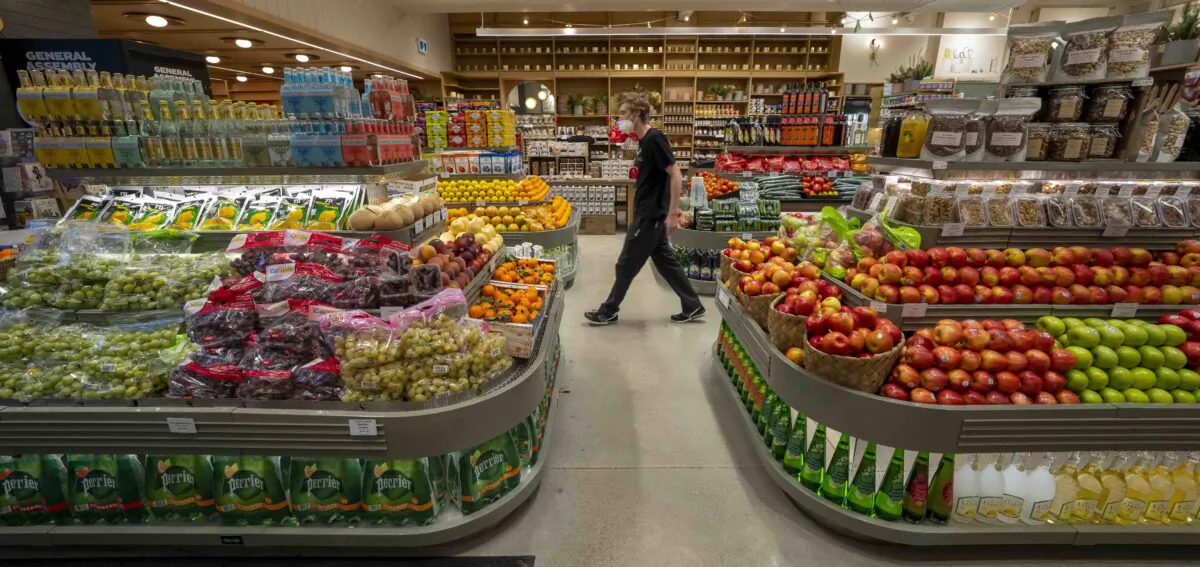
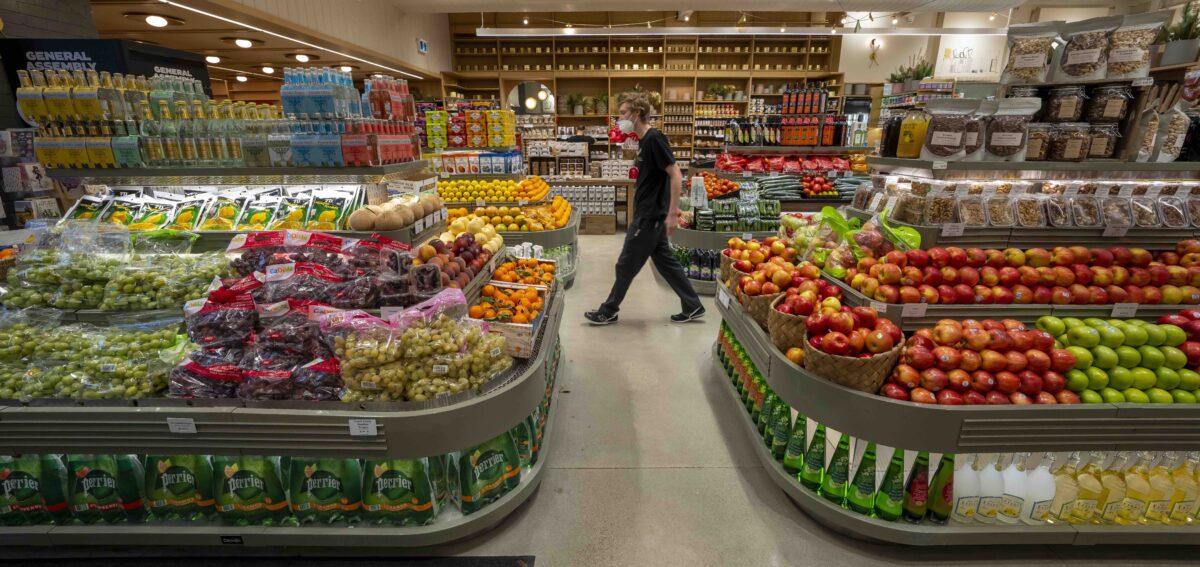
Seriously. Neither the researchers nor the funders, nor the professional whiners about Canada being soooo unfair, seem to grasp that free enterprise has filled the place with an amazing selection of food ingredients in stores, and menu items in restaurants, that represent the choice, preferred cuisine of six continents. (True, not Antarctic penguin paste, which may set off some social justice warrior. Still, six things at a time.)
Our supermarkets are the exact opposite of, say, Soviet ones, carrying a vast selection of fresh, delicious things people want. It is actual social justice in action. Vox populi, vox sweet potato. Thus, Canada is full of people from everywhere eating the best of one another’s cuisine, from chicken cacciatore to kimchi… and not stuff that lost the contest for consumer allegiance like, say, “figgy pudding.”
Still, our elites consider Canada and its traditional inhabitants grimly deplorable, and everything a massive, bigoted social injustice. So the contrived issue here isn’t just struggling to find some doubtful tuber at the corner store. It’s about “food insecurity” which, in case you were running out of petty things to resent, “is the inability to acquire or consume an adequate diet quality or sufficient quantity of food in socially acceptable ways.”
Remember when we had real problems like hunger? The poor were miserable and ill because they did not have enough to eat. But now it’s the wrong orange non-potato that you can’t consume “in socially acceptable ways.” Which makes me wonder whether my socially unacceptable table manners make me “food insecure.” But never mind, because what sticks in my craw here isn’t the manioc. It’s the ingratitude. The subsidized ingratitude.
If I went to a foreign country, call it “France,” and discovered rich creamy sauces and espresso, would I bang the table and demand a Big Mac, or some squirrel stew my ancestors once choked down? And a subsidy? Or would I go, “Wow, a whole new menu, novel flavours, fantastic coffee, merci,” and be happy, including that I wasn’t starving?
Famine stalked humanity from the invention of eating down to the invention of capitalism, after which it rapidly faded except where socialism was tried. And even hunger has become rare in free societies. But lest we should celebrate and preserve our heritage instead of dancing round its flames, we moved on to “food insecurity” where you have food but it’s still bad because down with capitalism and Western civilization.
Partly it’s the petulant frivolity rampant in modern society, especially among those who should be most grateful. But there’s also a malevolent determination to tear down what works, manifested equally in what they do worry about and what they don’t.
So panic over quasi-absent yams, and yawn at ever-present deficits.
Views expressed in this article are the opinions of the author and do not necessarily reflect the views of The Epoch Times.
 Friends Read Free
Copy
Facebook
Tweet
Friends Read Free
Copy
Facebook
Tweet