
Commentary
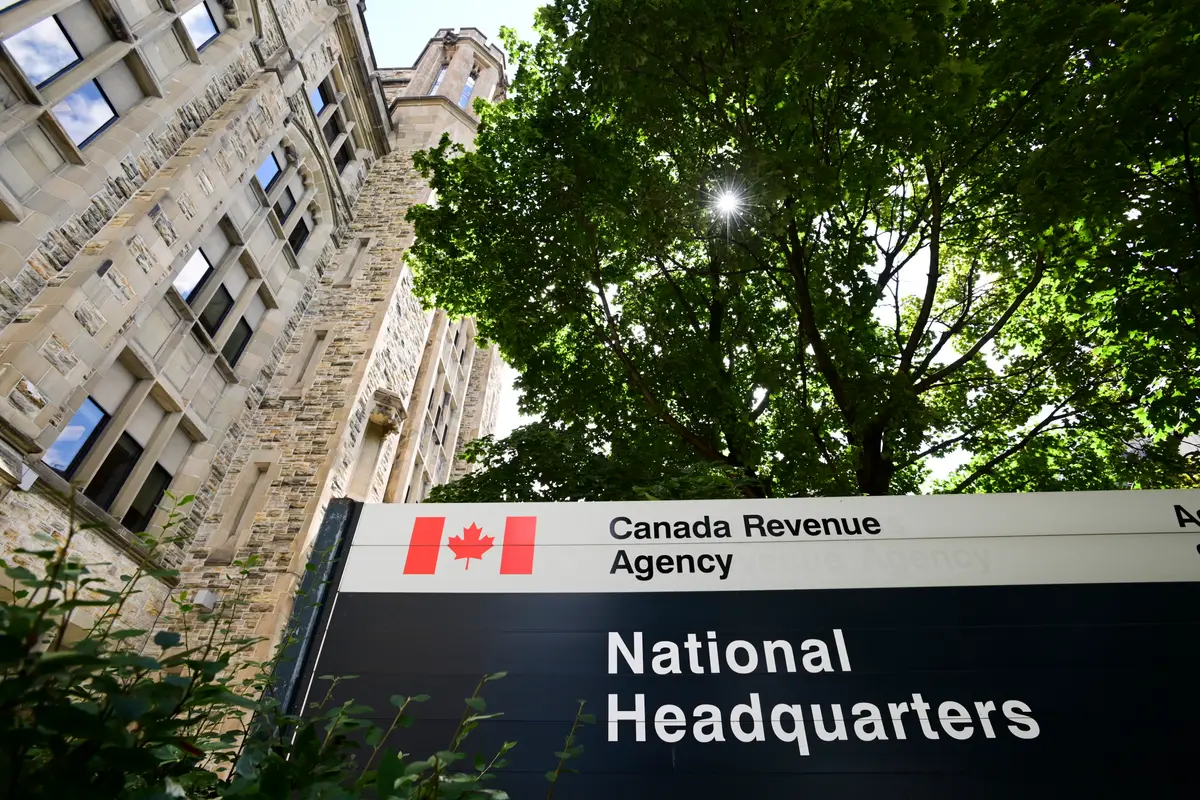
Oh great. Just what we needed. The Canada Revenue Agency is getting new implements of torture. Not the old-tyme rack, thumbscrew, and boot. Instead, they want to hit you with huge fines and perjury charges if you don’t do the audit their way. Bad King John is back.
The excuse, of course, is “efficiency,” a subject on which governments are famously expert. But here’s the thing. If you’ve ever been audited, and I don’t just mean the formal Inquisition but a simple matter of them thinking you owe money you don’t, you are well aware that they hit you with rapidly escalating fines but won’t take your calls.
Seriously. If you do get through, and I have had this experience, the compliance office that levies the fines will tell you they don’t know why, so there’s no point arguing with them that, for instance, you already paid the amount you’re now being charged interest on for not paying. Or about anything else. Instead, you have to call the people who claim you owe the money who, if you ever do reach them and it isn’t easy, will tell you they don’t know what the compliance office is doing or why.
Stalemate? Impasse? Heck no. The fines keep accumulating, and in the end you overpay and consider yourself lucky. (Yes, this example is based on a true story, and I never did get an explanation or, to date, a refund.) And what’s happening here, beyond the inconvenience and expense, is a perilously widening gulf between governors and governed and loss of trust because the system of checks and balances is breaking down.
The root of the problem is that, like the old Sheriff of Nottingham, the new CRA has too much power to impose its will and citizens have too little capacity to push back. Which means its errors do not get fixed because they do not need to get fixed. And clearly the solution is to strengthen the position of citizens in the face of government oppression. Or not, if you’re the ones abusing them.
The swelling of the public service in the last decade, by over 40 percent, was most dramatic at the CRA, which grew by 48 percent, the largest of any department or agency. Yet service has gotten worse, not better. And predictably, their solution is to smooth the way for even more clumsily rapacious service rather than erecting barriers to mistreatment of the public. As governments will, if not firmly checked.
As was once widely understood, once being a term here meaning until about 60 years ago, statecraft is hard. And a critical difficulty is creating a political system strong enough to protect your inherent rights to life, liberty, and property from others, foreign aggressors or domestic malefactors, without making it strong enough to threaten them itself.
It might seem that humans have habitually erred on the side of making the state too strong. But history is dominated by overbearing Leviathans of one shabby sinister type or another because the ones that were too weak collapsed quickly, creating anarchy promptly filled by a ham-fisted foreign state. So there’s a strong practical bias toward overly powerful governments.
This problem has been solved, imperfectly of course, in the English-speaking world. Or I should say had been solved. From Magna Carta on through the high noon of Parliamentary democracy in the 19th century, and of limited congressional government in the United States, in a long, arduous, and often bloody process (their Civil War killed more English people per capita than World War I), the state really was put in a position of having to justify its conduct and rein in excesses through a system of writs like habeas corpus enforced by a generally fair-minded judiciary backstopped by enough legislators devoted to protecting citizens, not enabling the Executive.
The “imperfectly,” “generally,” and “enough” are necessary qualifiers, as anyone who knows history or grasps the grievous flaws in human nature will immediately understand. As they will also grasp that, given these qualifiers, it is remarkable how well it did succeed, and pledge to preserve it.
If only we elected such. Instead, we increasingly prefer people who say statecraft is easy provided nothing is allowed to get in their way. Hence, these draft amendments to the Income Tax Act aiming to crush our objections under a digital boot, spuriously referencing a hostile auditor general’s audit of the CRA seven years ago.
As they will, politicians at the time billowed soothing fog, including the then-revenue minister vapouring: “I can tell you this is a whole culture change that is currently being done at the Agency. I wish to reiterate to Canadians I am firmly committed to ensuring they are treated fairly and equitably by the Agency.”
Yeah? Then why does it need more whips, chains, and tongue clamps?
Views expressed in this article are the opinions of the author and do not necessarily reflect the views of The Epoch Times.
 Friends Read Free
Copy
Facebook
Tweet
Friends Read Free
Copy
Facebook
Tweet