Commentary
Thanks to Health Secretary Robert F. Kennedy Jr., we now know that the U.S. federal government allows 10,000 food additives, compared with Europe’s 400. At the same time, big ag is writing legislation to include in the farm bill that would grant liability immunity to chemical companies for pesticides and herbicides approved by the Environmental Protection Agency.
Does anyone sense prejudice here?
The industrial food and beverage lobby has already dumped money into a new war chest to fight Department of Health and Human Services recommendations to stop using Supplemental Nutrition Assistance Program dollars to buy Coca-Cola. Currently, the soft drink share of the Supplemental Nutrition Assistance Program is nearly $5 billion per year.
While the industry defends its chemicals and moms seek assurances about the food they’re feeding their kiddos, government researchers and politicians wrangle and wring their hands about what should be allowable. If we continue at the current rate of speculating and postulating on the relative safety of substances we put in our soil and our bodies, it will be decades before we have definitive answers.
Wouldn’t it be neat if we could quickly and cheaply submit every substance we put on our farm fields and on our tables to a nonpolitical test? And if it were extremely cheap, that would be icing on the cake. As it turns out, we have such a system.
Hold that thought and let me tell you about an encounter I had with two young farm teachers in a middle school program in California a decade ago. I visited the three-acre farm as part of a speaking tour I did in the area, and here is the story these two farmers told me. They had a worm box with dimensions of about 8 feet by 3 feet by 3 feet. Imagine an oversized coffin.
If you want to see children get excited, show them a worm box. It’s mesmerizing with all the slithering, slimy worm activity. The middle schoolers in this district spent half a day each week at the farm. The farmers worked with various subject teachers to incorporate biology, math, science, and English into the plant and animal experience.
One week, the farmers assigned homework: “Bring food on Monday.” The students dutifully brought some food: Twizzlers, gummy bears, Froot Loops—you get the idea. They placed their “food” in one end of the worm box. The farm ladies put different items in the other end: an apple, a pork chop, and a glob of yogurt, among other things. The following week, the students, eager to see what had transpired, ran to the box and opened it.
They pulled out their gummy bears, Twizzlers, and Froot Loops, which were untouched. When they tried to find the food items that the farmers had placed at the other end, all that food was gone. The day’s lesson was obvious: “Why would you want to eat something worms won’t even eat?” I’ll bet that a lot of young people made some different eating decisions that day.
That story got me thinking. I’ve known and worked with many worm farmers over the years who have explained how sensitive their “livestock” are to unacceptable items in their boxes. If they like the substance, they devour it readily. If they don’t, they move away and give it a wide berth.
If worms are that decisive and timely when it comes to determining healthy things versus unhealthy things in their environment, why not ask them to share their preferences with all of us?
Worms don’t vote, don’t listen to lobbyists, don’t invest in Wall Street, and don’t watch ads. A worm is about as objective a researcher as you could ever want. Goodness, worms aren’t even swayed by money.
Here’s my idea: Why not get a small plot of land—perhaps five acres—and set up 100 worm boxes? Everything Americans apply to the soil or put in our mouths would undergo the worm test for a week. What the worms ate would get a green light. What the worms didn’t eat would get a red light.
We could hire a couple college students to run the program. If glyphosate is really innocuous, let’s see if the worms like it. If Coca-Cola is really nutritious, let’s see if the worms like it. Pour it in and see whether they want to come to that area or whether they avoid it like the plague. If Red No. 29 or monosodium glutamate are wonderful food additives, put them in the worm bed and let the worms vote.
With such a setup, we could test 100 things per week for literally pennies. In one year, we’d have 5,000 under our belt. In two years, we’d have 10,000. That’s the number of additives the federal government says are OK. If industrial waste biosolids are great for the soil, let’s ask the worms. Go ahead, put it in.
We could be the first nation in the world that asked worms to determine what is OK to dump on our soils and ingest in our food. Forget the billions of research grants. Forget the smoke-filled rooms in which bureaucrats and industry lobbyists try to decide how to market their poisons to the people.
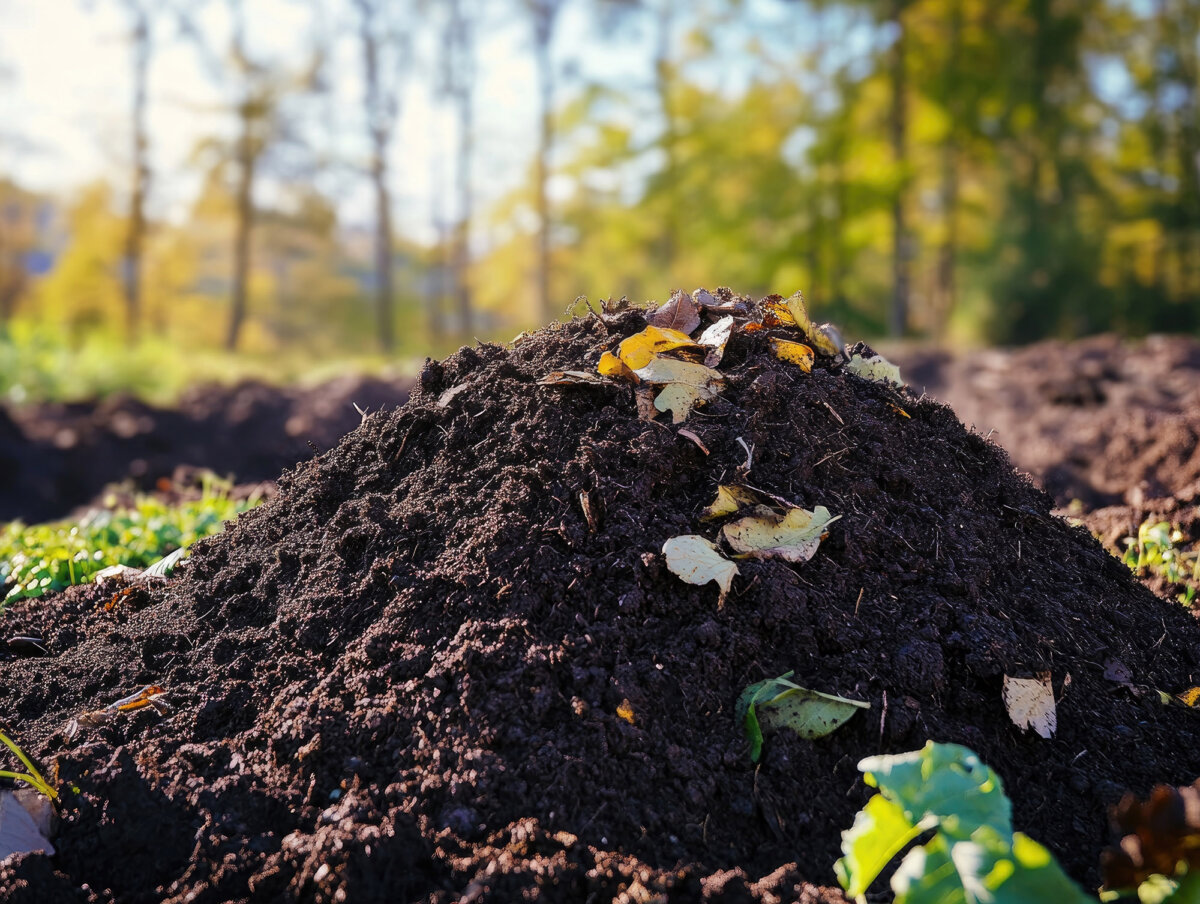
On our farm, we haven’t used any chemical fertilizer in 65 years, and the worm casting piles in the fields are sometimes high enough to turn your ankle. Apparently, worms really like compost, grazing animals, and manure. Funny how that works.
Forget the fancy-pants, alphabet-soup-credentialed academics draining taxpayer dollars on one hand while being wined and dined by industry largesse on the other. Does anyone trust these people? Is any research untainted by human prejudice and avarice?
I say let the worms vote. Only humans can take something as simple as soil or food and turn it into a complex labyrinth of chemical concoctions. And then, to top it off, go through messaging gymnastics to explain to all of us why these things are far better than nature. I challenge anyone to submit to the worms—with their pantry, the additives in their food, and the chemicals used to grow that food—and see what the worms choose.
While some things are far more complex than they may seem, other things are far simpler than the complexity we ascribe to them. Asking worms seems like a simple way to punch through what makes a lot of money by appearing complex. The earthworm should be our best friend. Let’s create a humble food and farming system that dares to ask, “What would worms do?”
Views expressed in this article are the opinions of the author and do not necessarily reflect the views of The Epoch Times.
 Friends Read Free
Copy
Facebook
Tweet
Friends Read Free
Copy
Facebook
Tweet