
Commentary
At an unknown future date, Operations Epic Fury (United States) and Roaring Lion (Israel) will be completed, and Iranians will begin to pick up the pieces as they attempt to figure out what type of society they hope to create. Hopefully, the allied forces will have done their utmost to avoid civilian casualties so that pro-freedom Iranians don’t turn against America.
There are many issues that should be hashed out following intense kinetic actions. One thing is certain. A Western-style democracy won’t materialize because Iranian culture is vastly different than those in Western societies.
During Operation Iraqi Freedom, the United States’ de-Baathification of the Iraqi Army occurred, and elements of the armed forces slipped into the population. In other words, the U.S. armed forces didn’t enlist components of a defeated regime to stabilize the country. Consequently, an insurgency unfolded that involved al-Qaeda, ISIS, the Kurds, and military holdovers. Iran had fingerprints all over this insurgency when pro-Iran Shia fighters battled against their Sunni adversaries.
Obviously, the current mission is a vastly different precise air and naval operation without American boots on the ground. Lessons learned from the Afghanistan, Iraq, and Vietnam quagmires informed us that nation building rarely is effective and democracy can’t be transplanted. However, will the U.S. government attempt to work with elements of the Iranian army to restore stability to Iran once the war unwinds? Is it possible that deserting members of the Iranian armed forces and security state might turn in favor of reform?
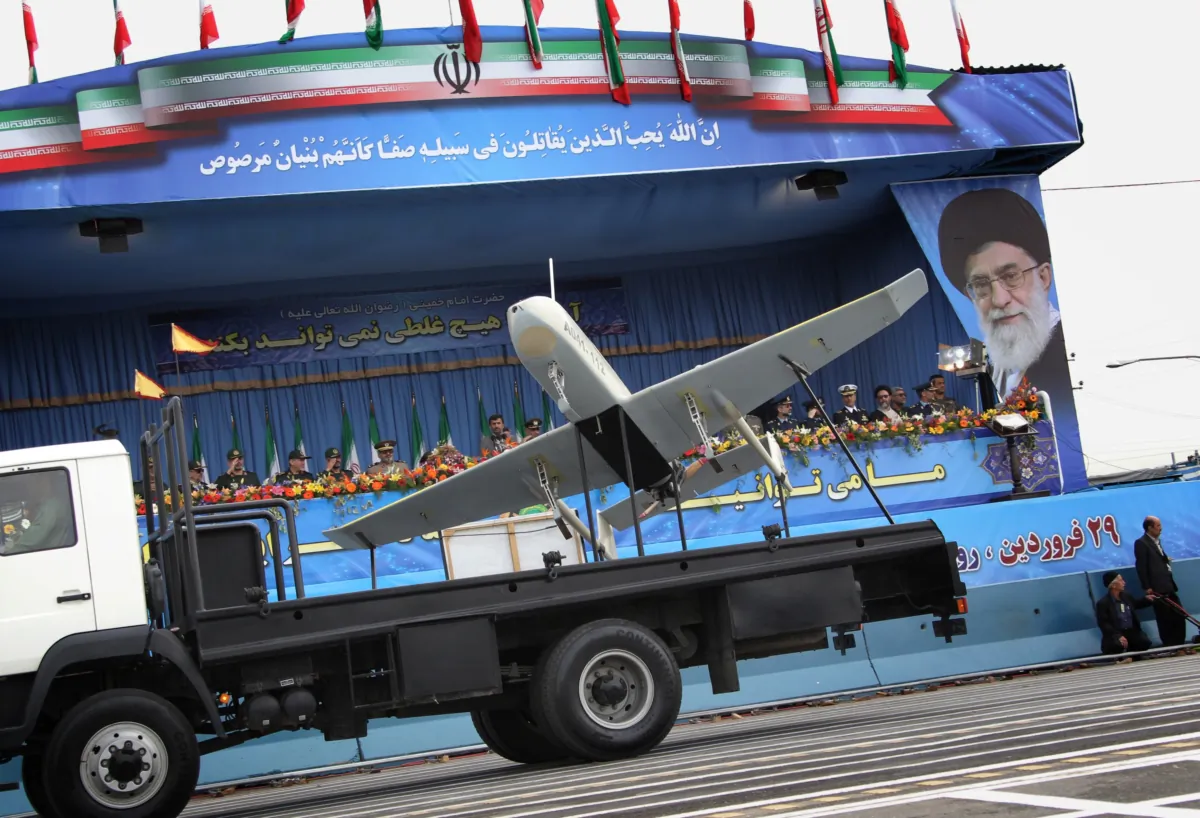
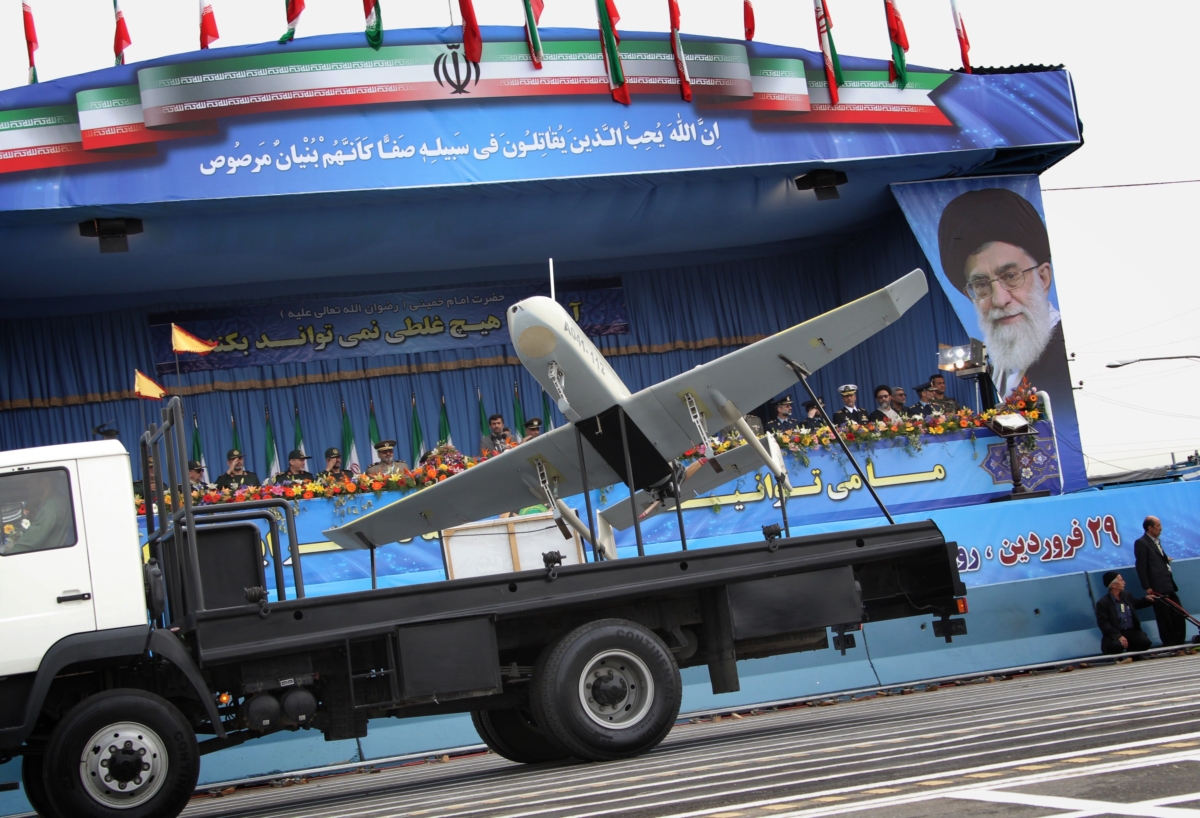
After the crippling of Iran’s ballistic missile stockpiles, cyber capabilities, drones, ocean mines, naval forces, and nuclear materials, Iran will still possess a very large army. Will this army retaliate against the Iranian resisters, shut down the grid, and attempt to reconstitute its weapons infrastructure, or will it attempt to restore a measure of security? How will a disarmed population protect itself from both clerical and military hardliners who hope to gain control to close a potential vacuum?
Will Iran’s terror proxies take advantage of any instability to enter Iran and participate in an insurgency, or primarily pound Israel? Will the dozen or so nations that were attacked by Iran seek targeted revenge over the remnants of the former regime? Likewise, will Iranian Kurds, who have longstanding grievances with Iran, Iraq, and Turkey, occupy sections of Iran? Will they apply choke points against leftover regime military and security forces by arming Iranians and encouraging a reform government delinked from the mullahs’ regime?
While it’s unlikely that the war against the Iranian regime will be drawn out due to U.S. President Donald Trump’s aversion to forever wars, lingering resentments by the Iranian army and security forces could make it difficult to restore public safety. By contrast, members of the Iranian diaspora could provide valuable input regarding the makeup of a government moving forward. However, isn’t it incumbent on the Iranian people to choose their political leaders and form of governance after the fog of war?
It could be a tall order for the citizenry to forge a new government when they have been accustomed to living in fear under arbitrary laws and limited opportunities. Apparently, a large portion of the populace appears to be agreeable to allowing the exiled Crown Prince Reza Pahlavi to act as a transitional figure leading up to possible elections after the dust has settled. We can only speculate as to how this would be rolled out. One would hope that new leaders would value representation from Iran’s ethnic groups to prevent internal balkanization.
It’s unlikely that the Iranians, Israelis, and Trump would accept any members of the former regime to be installed in a new government. Might it be possible that a Board of Peace, similar to what is being stitched together for Gaza’s governance and reconstruction, be assembled to assist Iran in its transition? Once again, this is a possibility that would require heavy lifting and specific details.
Another factor that should be discussed is the role of the People’s Republic of China and Russia, who have been heavily invested in Iran for decades in the oil sector and mutual military hardware trade. Would these allies of Iran provide satellite intelligence or weapons to regime holdovers as they target the coalition of the willing that is striving to restore a sense of normalcy and stability? This is an important consideration to take into account.
All of the aforementioned post-conflict scenarios, among others, ought to be considered and discussed so that several contingency plans can be formulated. Ultimately, the future of Iran belongs to the Iranians, while the allied operations are setting the conditions for the Iranians to make bold decisions regarding a new vision. The new Iran doesn’t have to be pro-Western, although that might be desired. When stability is restored, we can hope and pray that the new government is pro-Iranian and values inherent human rights, just laws, and constructive regional relations.
Views expressed in this article are the opinions of the author and do not necessarily reflect the views of The Epoch Times.
 Friends Read Free
Copy
Facebook
Tweet
Friends Read Free
Copy
Facebook
Tweet