Commentary
I was sitting at my kitchen table the other night, mindlessly scrolling through my phone after a long day, when the story appeared again.
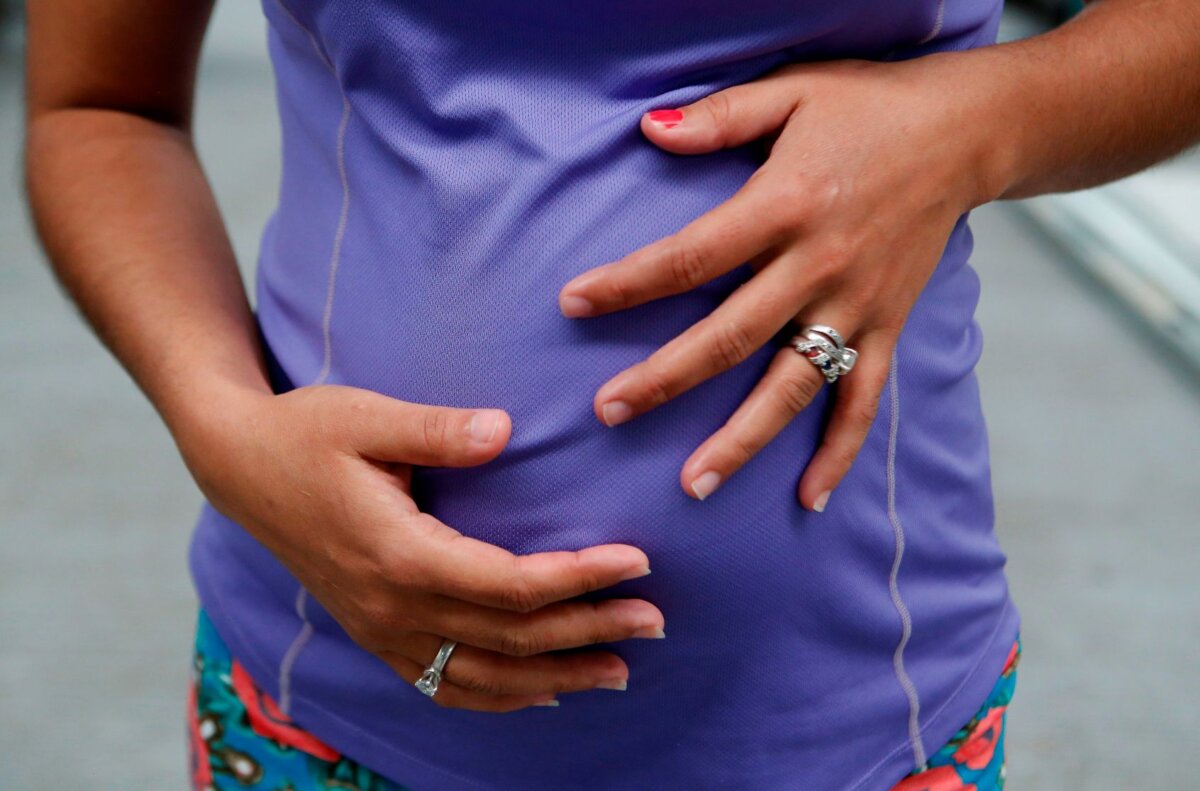
A young YouTube couple had decided to terminate a pregnancy after learning that their baby had Down syndrome.
It was everywhere. News articles, reaction videos, and endless comment sections filled with people calling them monsters while others defended them as brave. I watched the clips, the tears, and the carefully edited videos documenting one of the most intimate moments a family could ever face, and I found myself thinking less about the couple themselves and more about the culture we have created.
Somewhere along the way, we decided that even our deepest grief should be shared, edited, and consumed by strangers.
I should probably tell you that I am not approaching this story from the position many people assume.
I had two abortions when I was in my early 20s. My mother had abortions when I was growing up, and her identical twin sister did as well. I knew about them. They were not hidden or spoken about in hushed voices. In the world I grew up in, abortion was normal. It was healthcare. It was a woman’s right to choose, and I accepted that without much more thought than I would have given any other outpatient medical procedure.
I believed in my body, my choice. I believed that Planned Parenthood was helping women, and I believed that no one had the right to tell another person what to do with her own body. Most importantly, I felt no guilt because I never thought of abortion as ending a human life. It simply was not the story I had inherited.
Years before I became a mother, something happened that changed the entire course of my life.
I write about it in my book, and I have spoken about it at churches and conferences because I know that people will see it differently. Some will call it a vision. Others will call it a hallucination. I believe that God spoke to me.
I saw every human soul as a thread woven into an enormous tapestry. Every life mattered because every life changed the pattern, and every thread belonged not only to itself but also to the whole design.
Then I heard words that have never left me: “You made a choice that wasn’t yours to make.”
I asked what I was supposed to do, and the answer that came back was simple: Never do it again, and never encourage or support it in anyone else.
I made that promise.
Looking back now, I believe that keeping that promise gave me everything I have today. It led me toward a different life, one that eventually brought me the husband I love, four beautiful children, and the heartbreak of three children I lost through two miscarriages. That moment did not simply change my opinion about abortion.
It changed who I was.
Then the COVID-19 pandemic arrived, and for the first time I found myself on the other side of the bodily autonomy argument.
Many of the same people who had spent decades telling me that “my body, my choice” was an unquestionable moral principle were now insisting that I had a responsibility to wear a mask, take a vaccine, and accept restrictions because my choices might affect other people.
I understood the argument because I had once made similar ones myself. But I remember thinking that there was a profound difference between a possibility and a certainty. I was being told that I might harm someone else while at the same time living in a culture that refused to acknowledge what abortion actually does.
People were angry because I could possibly hurt another person.
Yet I knew with absolute certainty what my own abortions had done.
The science around masks and vaccines will probably be debated for years to come. People can argue over what worked, what did not, and what should have happened. But for me, the COVID-19 pandemic exposed something much deeper than a disagreement over public health.
It showed me how often we build our morality around tribes instead of first principles. We defend one form of bodily autonomy while rejecting another, not because we have carefully reasoned through it, but because our side has already decided what the right answer is.
The hardest part about growing older is realizing that you were once sincerely wrong.
I know because I was.
I know what it is to believe that you are absolutely right because the culture you exist inside of has convinced you that you are. I know what it is to accept an idea so completely that you never even stop to examine it.
For years, I did not think of my abortions as ending a human life because that simply was not the story I had inherited. Everyone around me reinforced the same belief, and I never questioned it.
And that brings me back to this young couple.
The truth is that my story is not exactly hers.
When I had my abortions, I was young, unmarried, and making decisions inside a culture that had taught me that there was nothing morally significant happening. They happened at six weeks and eight weeks, long before I had imagined names or birthdays or the shape of a future together.
I want to be careful here because I am not saying that that made them less important. Looking back now, I believe that those were my children just as surely as the four I have raised and the three I lost through miscarriage. Their lives mattered just as much.
The difference was not the value of the life.
The difference was my understanding of it.
She had already fallen in love with that baby. She had picked out a nursery. She had imagined first steps and birthdays and Christmas mornings. Then, almost halfway through her pregnancy, she was handed news that shattered the future she thought that she was going to have.
I deeply disagree with the decision she made. I wish with all my heart that she had chosen differently.
But I also cannot imagine the pain she must be carrying right now.
Thousands of families receive a Down syndrome diagnosis every year, and many choose abortion. Most of them grieve privately with the people they love. They do not invite millions of strangers into the middle of it.
Maybe that is why this story has flooded all of our feeds.
I do not think that people are reacting simply because they want to judge. I think that many of us still believe that there are some moments in life that should remain sacred. Birth. Death. Loss. The hardest decisions a family will ever make.
Maybe those moments belong to a family, to God, and to silence.
I do not write this because I think that I am better than that young couple.
The truth is that I know exactly how someone arrives at that moment because I once believed the same things she believes now. The only difference between us may be that, many years ago, God interrupted my story.
Following the promise I made that day gave me everything I have now.
The other night, as I watched that young woman sobbing on my phone screen, I did not feel anger. I disagreed with her choice, and I wish with all my heart that she had chosen differently, but mostly I felt heartbreak.
Before I went to bed, I prayed for her.
I prayed for the child she lost. I prayed for her husband. I prayed that one day she might find peace.
And I prayed because I know something that many of the people screaming at her online do not.
I know what it is to believe that you are doing the right thing because it is the only story you have ever been told. I know what it is to believe that you are absolutely right because the culture you exist inside of has convinced you that you are.
I am deeply grateful that, by the grace of God, I was given the chance to step outside of that story long enough to see with moral clarity that every human life matters.
I know because, once upon a time, I was her.
Views expressed in this article are the opinions of the author and do not necessarily reflect the views of The Epoch Times.
 Friends Read Free
Copy
Facebook
Tweet
Friends Read Free
Copy
Facebook
Tweet