
Commentary
Trevor is one of my best friends. We have been friends since middle school. He got married about seven months ago, and, like many newly married couples, he and his wife are ready to start a family. They are not in crisis. They are not struggling yet. They are simply asking questions early and trying to be proactive about their future.
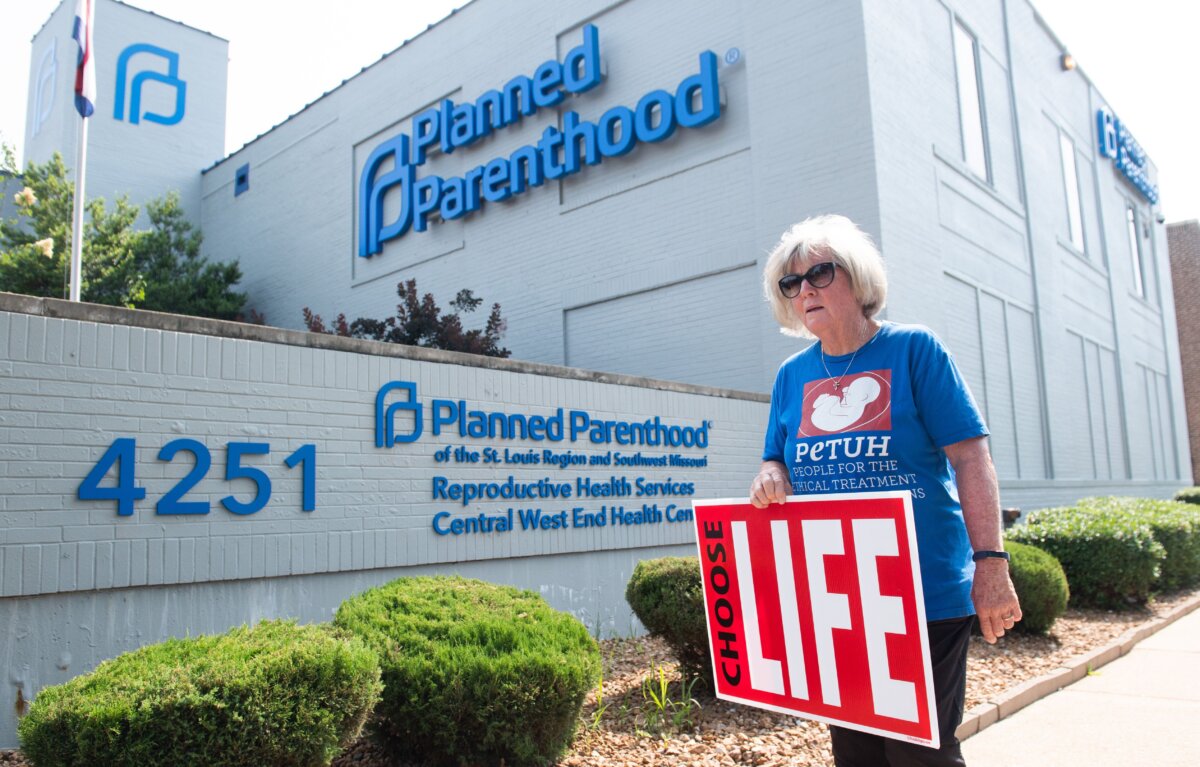
Trevor is older than his wife, so he decided to start by checking himself. He picked up the phone and called Planned Parenthood to ask about a sperm analysis. It felt like a reasonable place to start. If you want to understand your reproductive health, why not call one of the most recognizable organizations in the country?
They told him they do not offer that service.
So he asked a broader question. Is there anything they do to help evaluate whether he and his wife might have trouble getting pregnant?
The answer was no.
The call ended there.
It is a simple story, but it reveals something deeper about the system we have built. We call it Planned Parenthood, but for a couple actively trying to become parents, there is very little there that helps them move in that direction.
The name suggests guidance and preparation for building a family. In practice, most of the services move in the opposite direction. Contraception prevents pregnancy. Abortion ends it. Hormone interventions alter reproductive function. The structure of care is overwhelmingly oriented toward avoiding or interrupting parenthood rather than supporting it.
This is not a recent misunderstanding. The historical roots of the organization point in the same direction. It emerged from the early 20th-century birth control movement, which focused on limiting and managing reproduction.
Margaret Sanger, one of its central figures, was explicit about expanding access to birth control as a way to reduce births and shape population outcomes. The emphasis was not on helping people conceive. It was on preventing conception and controlling when and if children were born.
That foundation still shapes what is offered today.
Trevor’s phone call makes that reality visible in a modern context.
When a healthy couple wants to avoid pregnancy, the pathways are obvious. There are clinics, prescriptions, procedures, and clear next steps. When a couple wants to have a child, especially at the beginning, the path is far less defined.
There is no clear front door.
Instead, people are left to navigate a maze. A primary care doctor might offer general advice. An OB-GYN might focus on the woman’s cycle. A urologist might evaluate male fertility, but only if you think to ask. Fertility clinics exist, but they often feel like a significant step for couples who are just starting out.
So people wait.
They wait because they assume that it will happen. They wait because they do not know where to go. They wait because the system does not make the first step obvious.
And in many cases, that waiting matters.
What Trevor encountered was not a failure of one phone call. It was a glimpse into a broader reality. We have built a reproductive health system that is highly effective at preventing pregnancy, but far less accessible when it comes to helping people achieve it.
If we are honest about what is being offered and what is not, the question becomes hard to ignore. When people are ready for children, where are they supposed to go? Because right now, the answer is not nearly as clear as it should be.
In a world in which fertility rates are dropping across almost every developed country, this gap becomes more than an inconvenience. It becomes a reflection of priorities. We have invested time, energy, and infrastructure into avoiding pregnancy, but far less into supporting the beginning of life.
That imbalance is worth examining. It is worth asking whether we have built a system that reflects what we say we value.
Because if family, children, and the continuation of life matter, then the path toward parenthood should be as clear and accessible as the path away from it.
Right now, it is not.
And that is not an accident. It is the result of what we have chosen to prioritize.
If we want a different outcome, we may need to build a system and a culture that values getting pregnant at least as much as avoiding it. I would argue that we should value it more.
Views expressed in this article are the opinions of the author and do not necessarily reflect the views of The Epoch Times.
 Friends Read Free
Copy
Facebook
Tweet
Friends Read Free
Copy
Facebook
Tweet