
Commentary
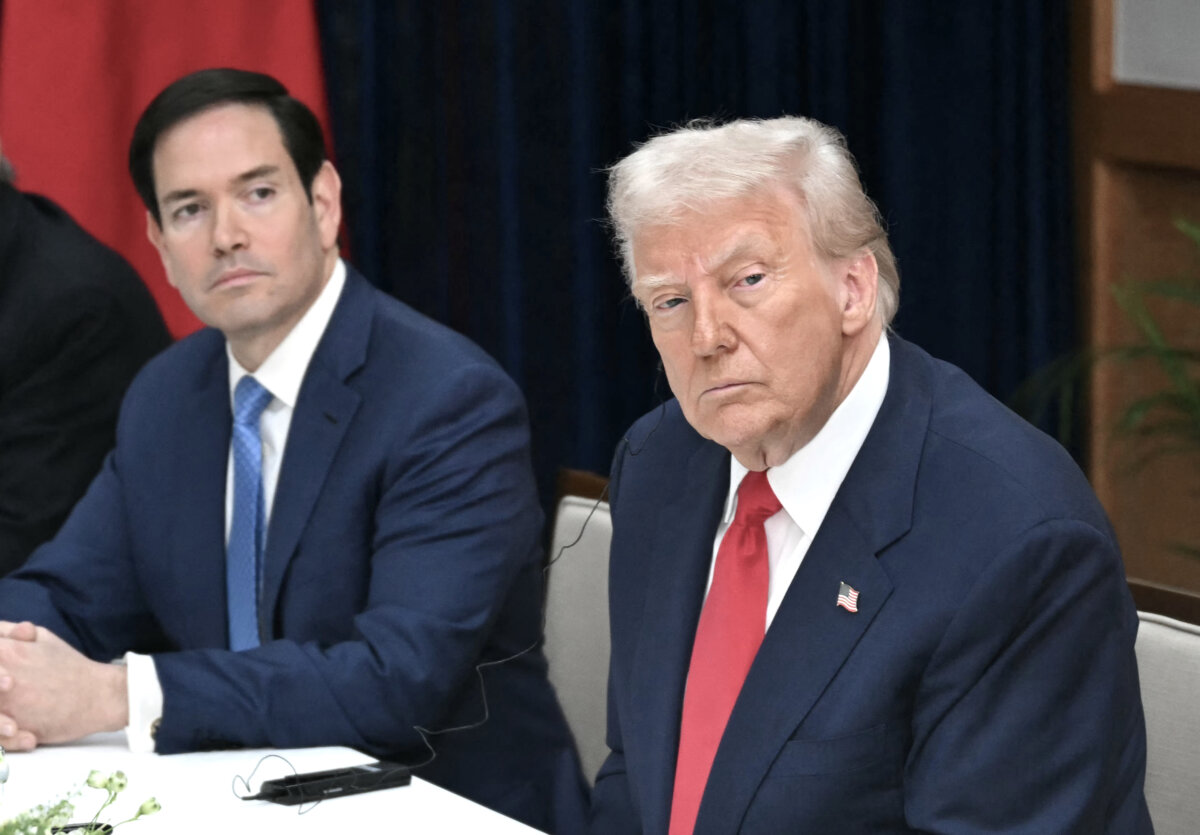
By the time President Donald Trump lands in Beijing on May 14–15, the summit with Chinese leader Xi Jinping will already carry the feel of a meeting held after the argument has started. It was delayed by the Iran war, and it now arrives in a climate shaped by tariff threats, maritime pressure, sanctions talk, and the familiar accusation from each capital that the other is acting recklessly.
The choreography will be polished. The atmosphere will not. What sits behind the ceremony is a harder question: How much leverage does Washington still have when one of Trump’s favorite instruments of pressure has been narrowed by the courts?
That question matters because this summit is not taking place after a breakthrough. It is taking place during a pause. Washington and Beijing are still living inside a fragile trade ceasefire, one that slowed escalation without repairing the larger damage.
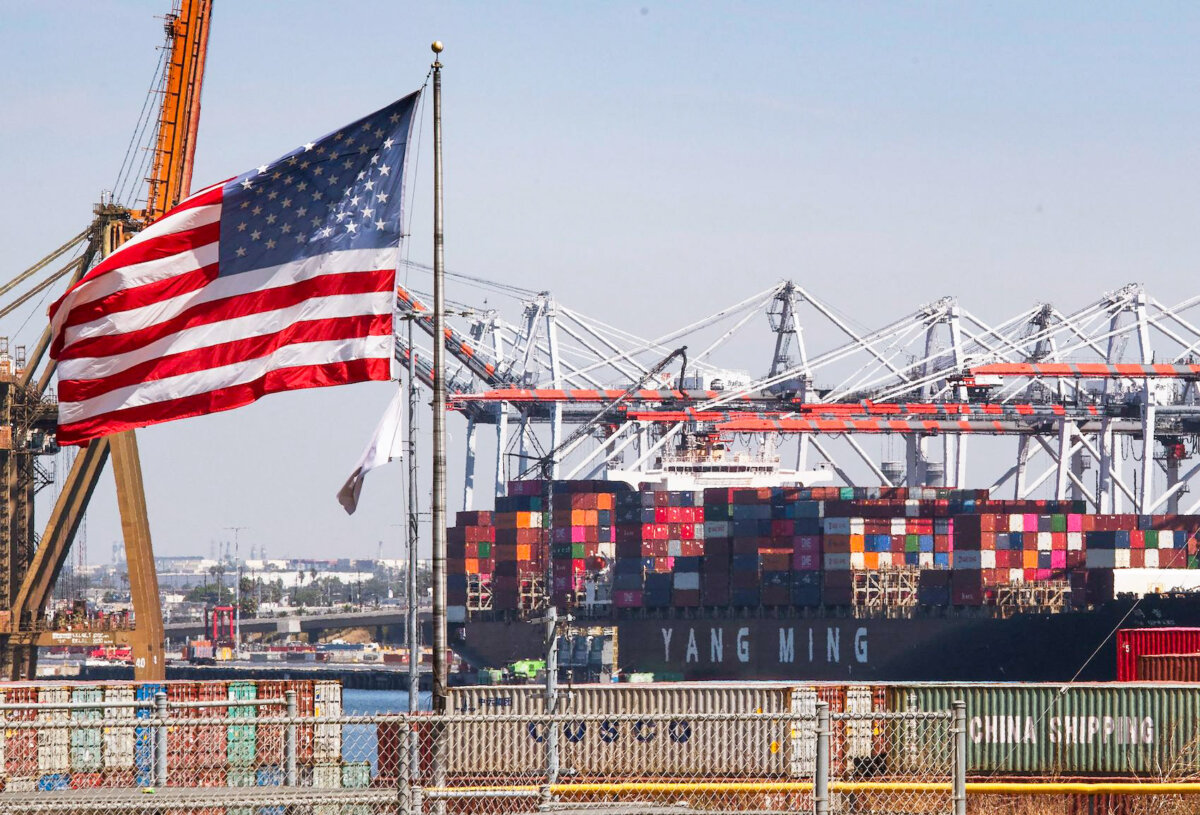
Tariffs were reduced from their peak posture, but the underlying dispute never went away. It only changed shape. Trade, technology, industrial policy, export controls, and national security are now part of one running argument, and the Iran crisis has pulled that argument back into full view. Trump’s threat of a fresh 50 percent tariff if reports of Chinese support for Iran proved true was a reminder that economics is no longer being used simply to manage commerce. It is being used to send warnings, test resolve, and set the tone before leaders even enter the room.
The Lost Edge of the Tariff Threat
For Trump, that kind of move has always relied on a certain mystique. The power of the tariff threat was never just the tariff itself. It was the sense that he could impose economic pain quickly, personally, and with very little runway. Beijing did not have to love the threat for it to matter. It only had to believe it was real.
That is why the recent Supreme Court ruling matters so much more than a dry legal brief would suggest. In Learning Resources v. Trump, the Court held that the International Emergency Economic Powers Act does not authorize the president to impose tariffs. That does not end Trump’s trade pressure campaign, but it does cut away one of the legal shortcuts that made his threats feel immediate and open-ended. A tool that once looked like a switchblade now looks more like something that must be unfolded with witnesses in the room.
There are still fallback authorities. The White House moved in February to impose a temporary 10 percent import surcharge under Section 122 of the Trade Act of 1974, and the proclamation explicitly says the surcharge can last only 150 days unless Congress acts. That means Trump still has ways to squeeze.
But the difference is important. A temporary surcharge under a narrower statute is not the same thing as broad emergency tariff power claimed under the International Emergency Economic Powers Act. One feels provisional. The other felt personal. Beijing can tell the difference, and that changes the room before the meeting even starts.
Why This Helps Xi
This does not mean Xi is suddenly free of American pressure. The United States still has sanctions authorities, export controls, entity listings, financial restrictions, and sectoral tools that can hurt Chinese firms and complicate Beijing’s strategic choices.
But summit leverage is about more than raw capability. It is about credibility under a ticking clock. If China believes that Trump now faces more legal friction before he can widen a tariff war, then some of the fear factor has drained out of his economic threat. The weapon still exists. It is just less automatic.
That matters because Xi enters the summit with a message of his own. Recently, he warned against the world’s return to the “law of the jungle” and cast China as a defender of multilateralism and international norms. The line was aimed at more than Spain, where he made the remark. It was aimed at Washington and at the wider audience Beijing is always trying to court: European governments, energy-importing states, and countries tired of American coercive language but not eager to sign onto a Chinese order either. Xi wants to show that the United States is impulsive and over-militarized, while China appears patient, legalistic, and controlled.
Economics as Power, Diminished
That is the deeper cost of the ruling for Washington. It does not merely narrow one tariff pathway. It reduces the flexibility of economics as an instrument of national power. Economic pressure works best when it can be calibrated: sharp enough to alter behavior, stable enough to remain credible, and bounded enough to stop short of military escalation.
Once the tariff tool becomes legally constrained and politically theatrical, it starts to lose its middle-ground function. It is still noisy but less convincing. Political polarization dulls the blade, and when the challenging party argues that war isn’t the answer while openly challenging the other tools in the box, the real winner is China.
That is a problem because the United States needs that middle ground. A relationship as large and combustible as the U.S.–China one cannot be managed entirely through aircraft carriers, export blacklists, and public ultimatums. Economics matters because it offers a space between accommodation and confrontation. If that space shrinks, every crisis begins to push the relationship toward the harder end of the ladder—the one being used as a wedge at home. We are being groomed to be our own worst enemies by our adversaries.
The Iran war helped delay the summit, and it has spilled directly into the U.S.–China conversation. Instead of trade and security being distinct files, they are now bleeding into each other. Washington is trying to pressure Iran, warn China, reassure allies, and preserve its own credibility in Asia at the same time. That is a crowded strategy, and crowded strategies tend to become blunt.
What Beijing Will Understand
So when Trump sits across from Xi this month, the real asymmetry may not be visible in the headlines. It will be visible in what each man knows about the other’s room to maneuver. Trump still has power. He still has sanctions. He still has the ability to raise costs for China in targeted and painful ways. But he no longer arrives with quite the same aura of instant tariff escalation. Xi will understand that. He will know that Trump can still threaten but that some of those threats now carry legal limitations, and he will know that Beijing can encourage and influence that drag through domestic infighting.
This knowledge does not guarantee a Chinese advantage. It does mean Beijing walks into the summit with one less reason to flinch. And in diplomacy, that matters. A threat does not have to disappear to lose value. Sometimes it only has to slow down. The coming summit may still produce the usual declarations about stability and dialogue. But behind the smiles, both sides know the balance has shifted a little. America still has enormous economic power. It just has less freedom than before to wield it at presidential speed.
Views expressed in this article are the opinions of the author and do not necessarily reflect the views of The Epoch Times.
 Friends Read Free
Copy
Facebook
Tweet
Friends Read Free
Copy
Facebook
Tweet