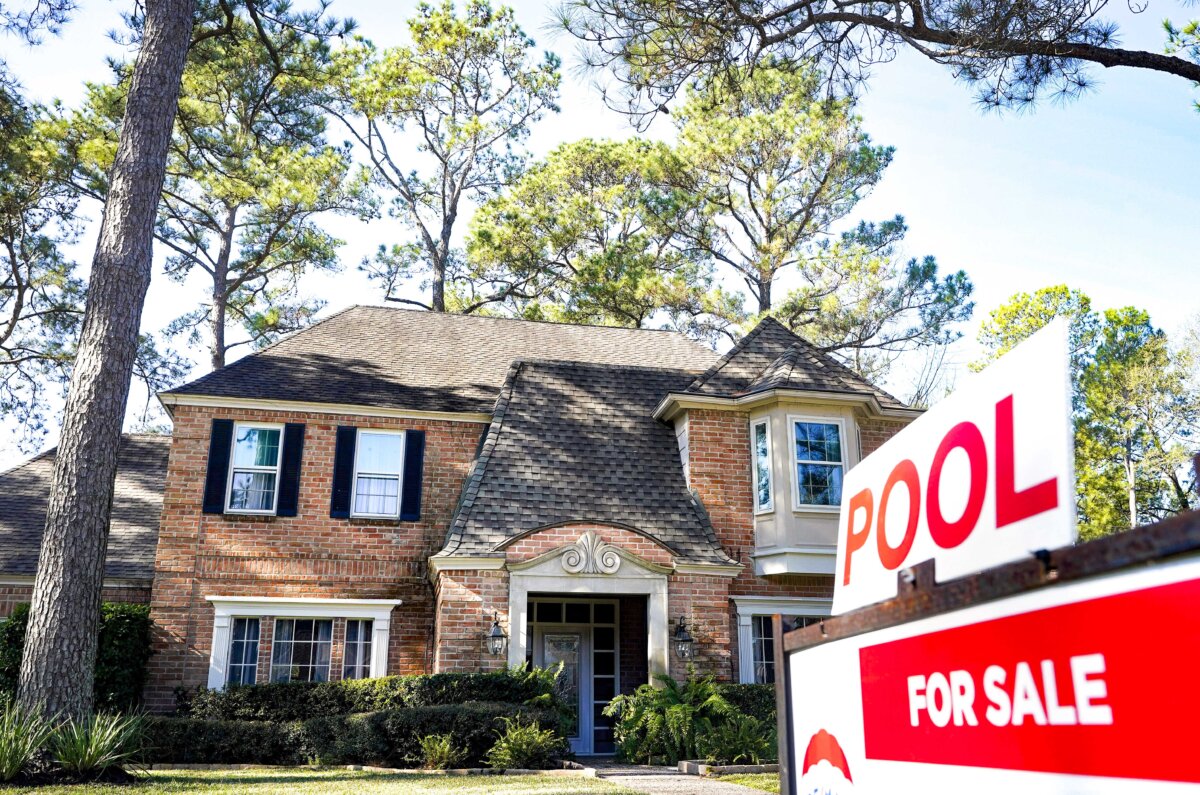

The income needed in order to purchase a typical home for sale in the United States in June was $109,796, marginally lower than the record-high $110,382 in 2025, real estate brokerage Redfin stated in an Aug. 5 report.
Housing affordability has remained largely flat year-over-year since monthly housing costs and people’s incomes are growing at a similar rate, Redfin stated.
However, the income needed to purchase a house has been dropping consistently since October. While the income required is about $22,000 higher than the earnings of a typical household, it’s an improvement compared to $26,000 a year ago, according to the report.
Redfin Senior Economist Yingqi Xu said that the double-digit gap between what a typical household makes in a year and the income needed to comfortably buy a home is leaving many prospective buyers on the sidelines.
“[On the plus side,] even if the market isn’t becoming much more affordable, it is becoming a bit more manageable for house hunters,” Xu said. “It’s a buyer’s market in most of the country, especially places that were once pandemic homebuying hotspots like Nashville and Austin, giving buyers lots of options to choose from and strong negotiating power.”
According to Redfin, the income needed to afford a house surged in 2022 and 2023 as home prices skyrocketed amid the COVID-19 pandemic buying frenzy. Mortgage rates also doubled during this period.
For the week that ended on Jan. 6, 2021, the average weekly rate on a 30-year fixed-rate mortgage was 2.65 percent, according to data from Freddie Mac. This rose to 7.79 percent for the week ending Oct. 25, 2023.
While rates have come down since then, they remain elevated. The persistently high rates contribute to keeping monthly mortgage payments on the higher side.
The National Association of Realtors (NAR) said in an Aug. 4 statement that home prices rose in 80 percent of tracked metro markets in the second quarter this year, which is considerably higher than the 71 percent of metros in the first quarter.
Despite elevated mortgage rates, home sales increased, NAR Chief Economist Lawrence Yun said in the statement, suggesting that this points to a buildup in housing demand due to steady jobs and income gains.
“It is welcoming to see incomes rising faster than home prices, which has helped boost affordability—but the big short-term challenge to affordability is coming from rising mortgage rates,” Yun said.
Affordability Situation
In a July 29 statement, real estate marketplace Zillow stated that 2026 year-end mortgage rates could be 6.4 percent, which would put it slightly higher compared to the fall and winter of 2025.
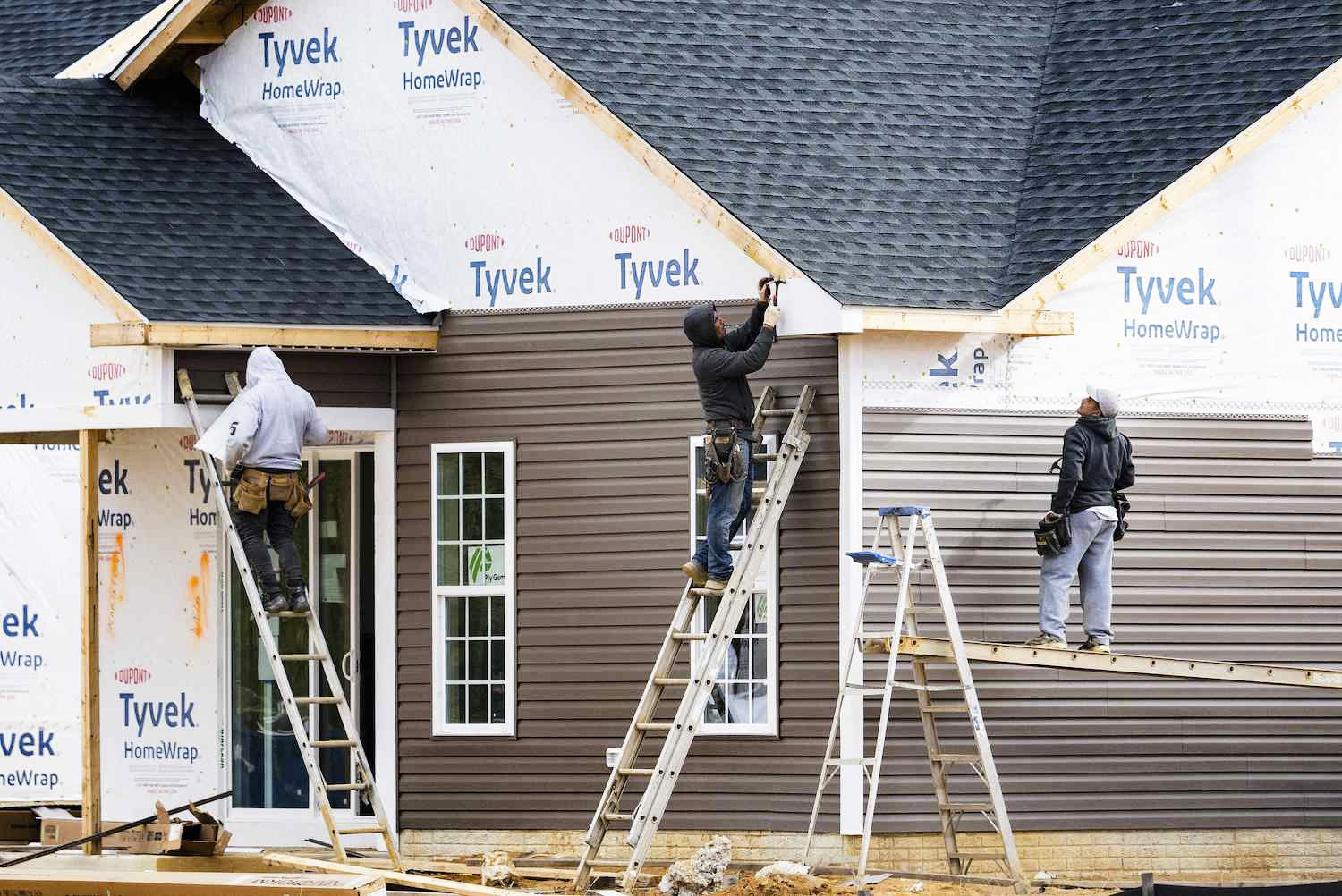 Workers attach siding to a house at a construction site in Trappe, Md., on Oct. 28, 2022. (Jim Watson/AFP via Getty Images)
While wage growth has outpaced home value growth in most of the United States and thus helped improve affordability, the increase in prices of everyday goods has eaten into those gains. This essentially limits how much prospective buyers can spend on purchasing a home, Zillow stated.
The Trump administration has taken several actions to tackle affordability issues in the housing market.
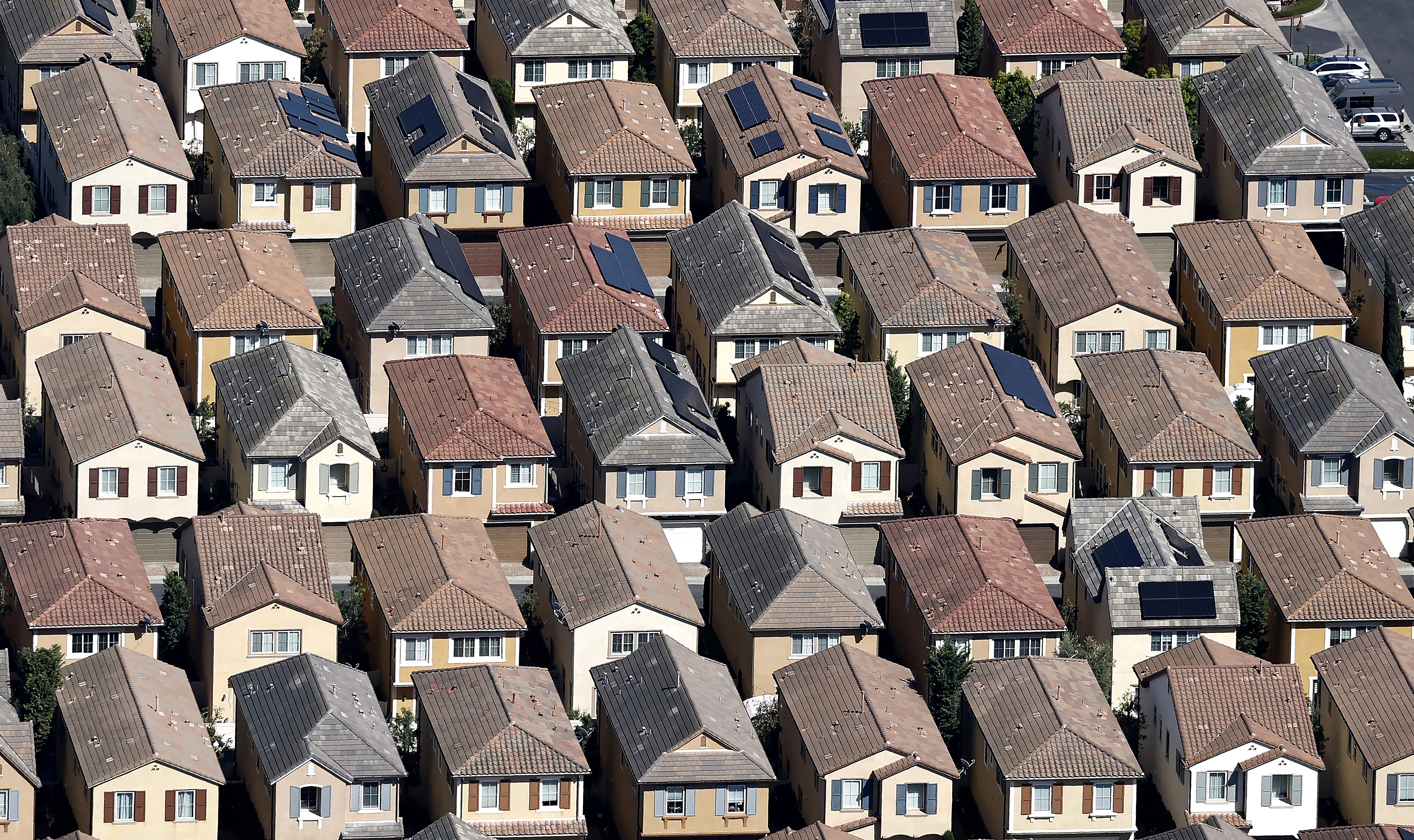 An aerial view of a residential housing development in Los Angeles on April 3, 2025. (Mario Tama/Getty Images)
The update eliminated outdated requirements and minimized administrative burdens to ensure that FHA financing becomes more efficient for buyers and lenders.
“Every unnecessary regulation comes with a cost, and too often homebuyers pay the price,” HUD Secretary Scott Turner said. “If a policy does not protect taxpayers, improve affordability, or expand opportunity for Americans, we should rethink it. As we recognize National Homeownership Month, these FHA actions reflect that commitment by eliminating barriers to expand homeownership opportunities.”
Earlier in April, HUD and the Department of Agriculture rescinded a policy related to energy standards, the enforcement of which would have pushed up the costs of home construction by $20,000 to $31,000, according to HUD.
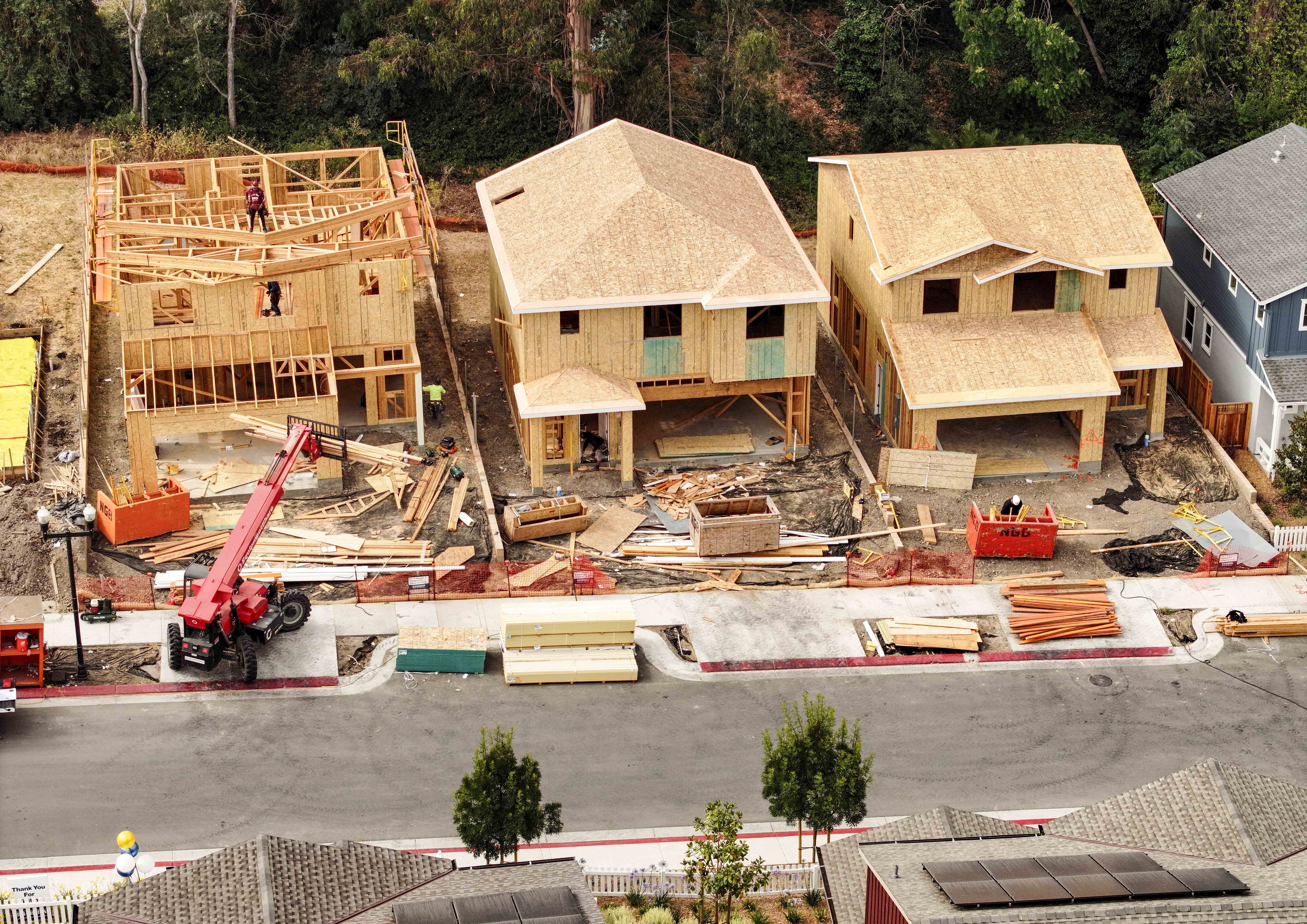 Construction workers build a home at a new housing development in Hercules, Calif., on July 1, 2025. (Justin Sullivan/Getty Images)
In the order, Trump instructed the secretaries of HUD, the Department of Agriculture, and the Department of Energy to take “appropriate action to reform and, where appropriate, eliminate unduly burdensome or costly energy-efficiency, water-use, or alternative-energy requirements regarding housing.”
Trump wrote that unnecessary regulatory barriers and “onerous mandates” had delayed the construction of new homes and driven up their costs, making housing less affordable for U.S. citizens.
 Friends Read Free
Copy
Facebook
Tweet
Friends Read Free
Copy
Facebook
Tweet