
Rental interest rose sharply over the past 12 months as high borrowing costs kept homeownership out of reach for many Americans, a new report by real estate marketplace platform Zillow suggests.
Zillow’s new rental demand index, which tracks engagement on the platform’s rental listings as a proxy for changes in demand, increased by 19.2 percent in September from a year earlier, Zillow said on Oct. 15.
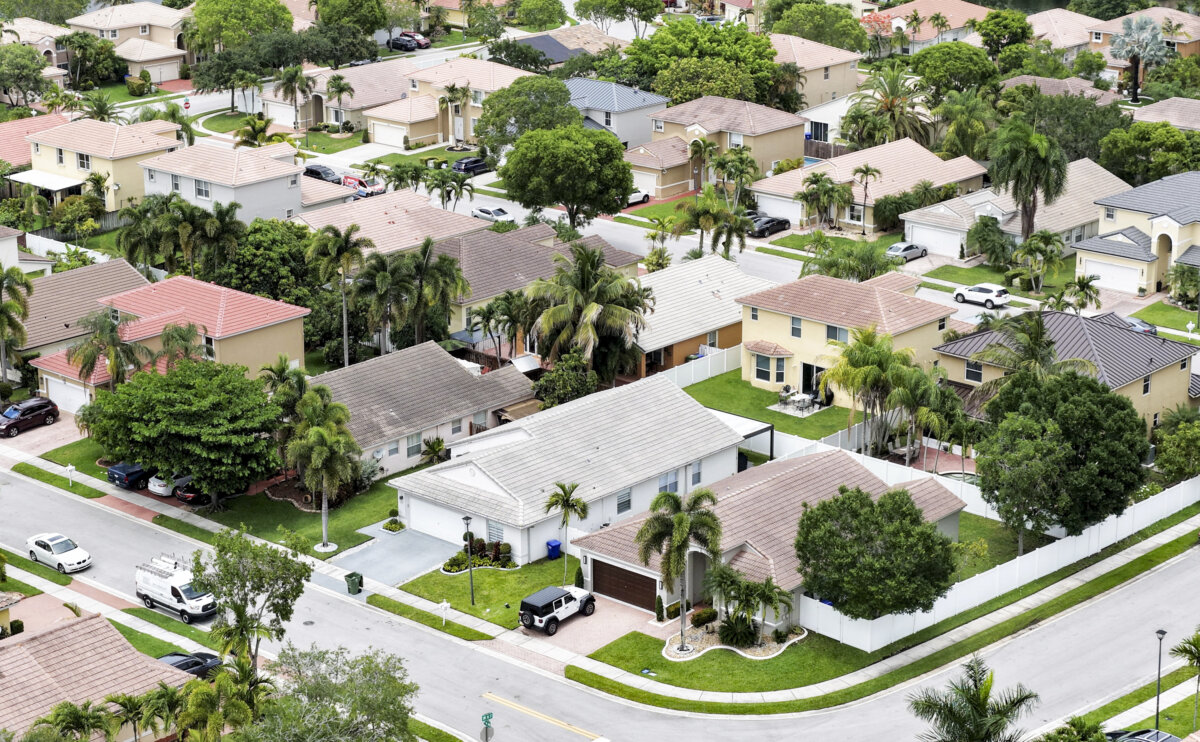
Interest grew particularly strongly in single-family homes, rising by 21.6 percent from September 2025, more than double the 10.1 percent rise for multifamily properties.
Typical monthly rent reached $1,932 for the month, up by 2.7 percent from last year, according to Zillow.
By comparison, the firm estimated the typical new homebuyer’s monthly payment at $3,037, a 5 percent annual increase. That estimate assumes a 10 percent down payment and a 30-year fixed-rate mortgage, including principal, interest, property taxes, and insurance.
The latest mortgage data underscore the pressure on buyers. As of Oct. 15, the average 30-year fixed mortgage rate stood at 7.4 percent, unchanged from the previous week but up from 6.27 percent a year earlier, according to Freddie Mac.
“A buyer’s monthly payment is climbing nearly twice as fast as rent, and for some shoppers, that gap is the start of a different plan,” Zillow said. “These deliberate renters keep their housing costs lower, put the difference toward saving and investing, and build wealth without a mortgage.”
Rental Conditions Vary by Market
Still, renting has become more expensive in many major markets, although the pace of rent growth varied widely.
Among the nation’s 50 largest metropolitan areas, rental interest rose most sharply in San Jose, where Zillow’s demand index increased by 82.5 percent in September from a year earlier, followed by San Francisco at 66.9 percent.
The two Bay Area markets also led the nation in annual rent growth, with rents rising by 11.8 percent in San Francisco and by 8.3 percent in San Jose.
Outside the Bay Area, the largest annual rent increases were in Virginia Beach at 7.1 percent, Milwaukee at 5.1 percent, and Chicago at 4.7 percent.
Demand also jumped in Austin, Miami, and Phoenix, but annual rent increases remained below 2 percent in each market. Zillow attributed the more moderate growth to new construction helping supply keep pace with demand.
Despite stronger demand nationally, many landlords continued offering incentives to attract tenants.
In September, 39.6 percent of rental listings on Zillow included concessions, up from 37.4 percent a year earlier. The share offering incentives increased annually in 41 of the 50 largest metropolitan areas.
Home Sales Remain Slow
The home-sales market, meanwhile, saw a modest improvement in September but remained sluggish.
Existing-home sales rose by 1.5 percent from August to a seasonally adjusted annual rate of 3.99 million, according to the National Association of Realtors (NAR). Sales were still 2.2 percent below their level a year earlier.
There were 1.6 million unsold homes at the end of the month, up by 4.6 percent from September 2025, giving prospective buyers more properties to choose from even as financing remained expensive.
The available supply represented 4.8 months of sales at September’s pace. NAR said August and September were the two slowest months for home sales this year.
 Friends Read Free
Copy
Facebook
Tweet