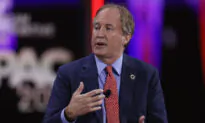
Bigtech, for example, enjoys Section230 immunity, which says that if you remove otherwise constitutionally protected speech as a tech company or an internet company, you are immunized from any liability in state courts, including for state non-discrimination
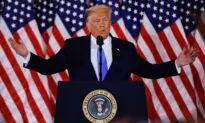
President Donald Trump on Tuesday reaffirmed that he would veto the annual national defense spending bill unless it terminates the legal shield that protects "BigTech" platforms from liability over content posted by users is terminated.
“With Section230, tech companies get a sweetheart deal that no other industry enjoys: complete exemption from traditional publisher liability in exchange for providing a forum free of political censorship,” said Hawley in a statement.
So far, the focus has been on repealing Section230 of the Communications Decency Act, which protects the tech giants from being sued for what they post, based on the fiction that they are merely unbiased platforms.
The lawmaker concluded his speech by urging Congress to update Section230 of the Communications Decency Act, which currently shields the tech industry from accountability.
(Tasos Katopodis/Getty Images)
Publishers can be held liable for any content they post, but social media platforms and tech companies are protected by the Communications Decency Act's Section230, which provides blanket liability protections from content
BigTech is increasingly becoming like The New York Times, which is largely limited to liberal reporting, and entertainment sections such as theatre reviews and travel that are presumably not politicized.
Mazie Hirono (D-Hawaii) proposed reforms to Section230, in order to "allow social media companies to be held accountable for enabling cyber-stalking, targeted harassment, and discrimination on their platforms."
That in his telling it may be time for us to have that conversation about bigtech as well.
Obviously, we've talked or people have talked ad nauseum about Section230 reform which is this tiny provision of law that subsidizes these companies.
Has Section230, the law that undergirds moderation, inspired internet innovation? Yep. But is Section230 perfect? I don’t think so. Can web and content platforms deliver differentiable, pro-consumer value by curating the user experience?
U.S. social media companies are currently protected by Section230 of the Communications Decency Act, which states that providers and users of an “interactive computer service” or social media service, will not be treated as a publisher and held liable
Justice Alito noted existing regulatory laws, like Section230 of the Communications Decency Act and various antitrust laws federal actors might cite to potentially punish disfavored technology firms.
“The court’s ruling repudiates Big Tech’s overbroad and incorrect claim that Section230 or the First Amendment should grant them blanket immunity for the harm they cause to their users.
The Issue of bigtech companies censoring conservative speech is not a new one and has been addressed at a series of Senate briefing with bigtech executives in 2019. In a Senate Judiciary Committee Hearing with Twitter Public Policy Director, Sen.
The Trump administration recently proposed an alteration to Section230 of the Communications and Decency Act, proposing a rollback of liability protections that currently shield Facebook and some other tech platforms from many lawsuits.
This is the shocking part, because we have to talk bigtech. We have to talk the responsibility. We have to talk Section230. You can't tell me that you should be able to access free pornography on YouTube.
Barr had warned last year that Section230 was no longer doing what it was intended to do, adding that there was a need to update the federal law.
He said the internet and tech industry has evolved since Section230 was adopted 25 years ago.
He argued that Section230 of the Communications Decency Act, a federal statute, allows for states to create laws to defeat an immunity defense, commonly referred to as the Section230 immunity defense, which provides social media companies that don't
The suppression of conservative social media users such as Trump has prompted members of Congress and the Trump administration to push for alterations to Section230 of the Communications and Decency Act, which protects social media platforms from most