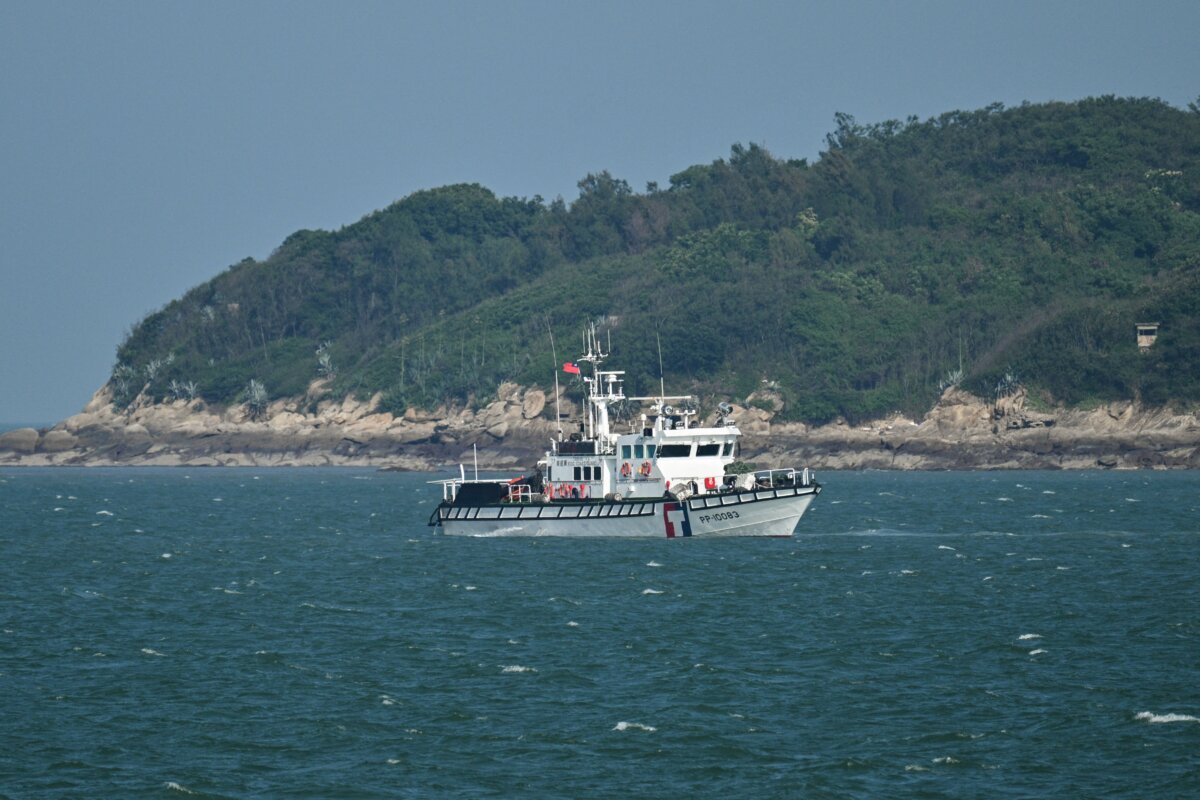

The Chinese regime announced another patrol near Taiwan on June 6 in a show of displeasure over Japan and the Philippines’ plans to engage in maritime border delimitation talks.
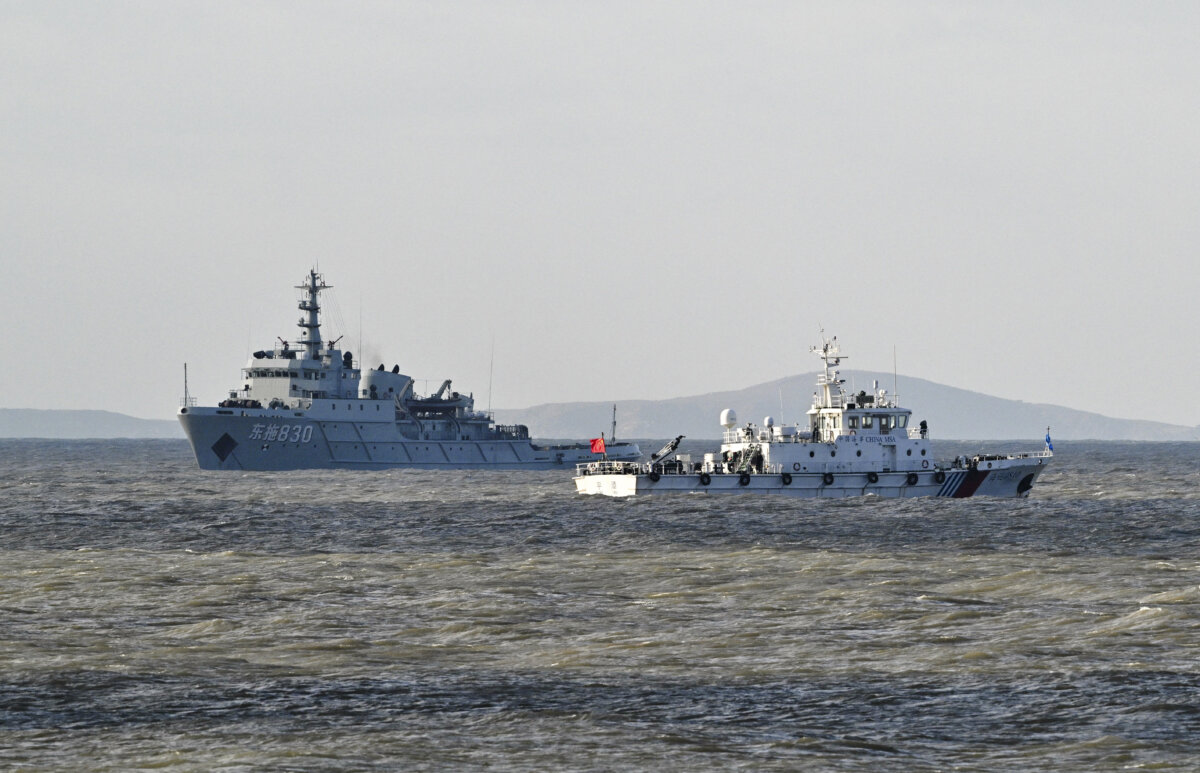
The Chinese Ministry of Transportation organized a “special maritime traffic law enforcement” action in the waters east of Taiwan on June 6, according to state media outlet Xinhua.
This operation involves local maritime safety administrations in Fujian and Guangdong provinces, along with a maritime safety body and a navigation support center, Xinhua said, without offering further details, including how long the operation will last.
Xinhua described the move as a necessary response to the announcement of the start of maritime boundary negotiations by Japan and the Philippines, which it called an infringement on Beijing’s “territorial sovereignty and maritime rights and interests.”
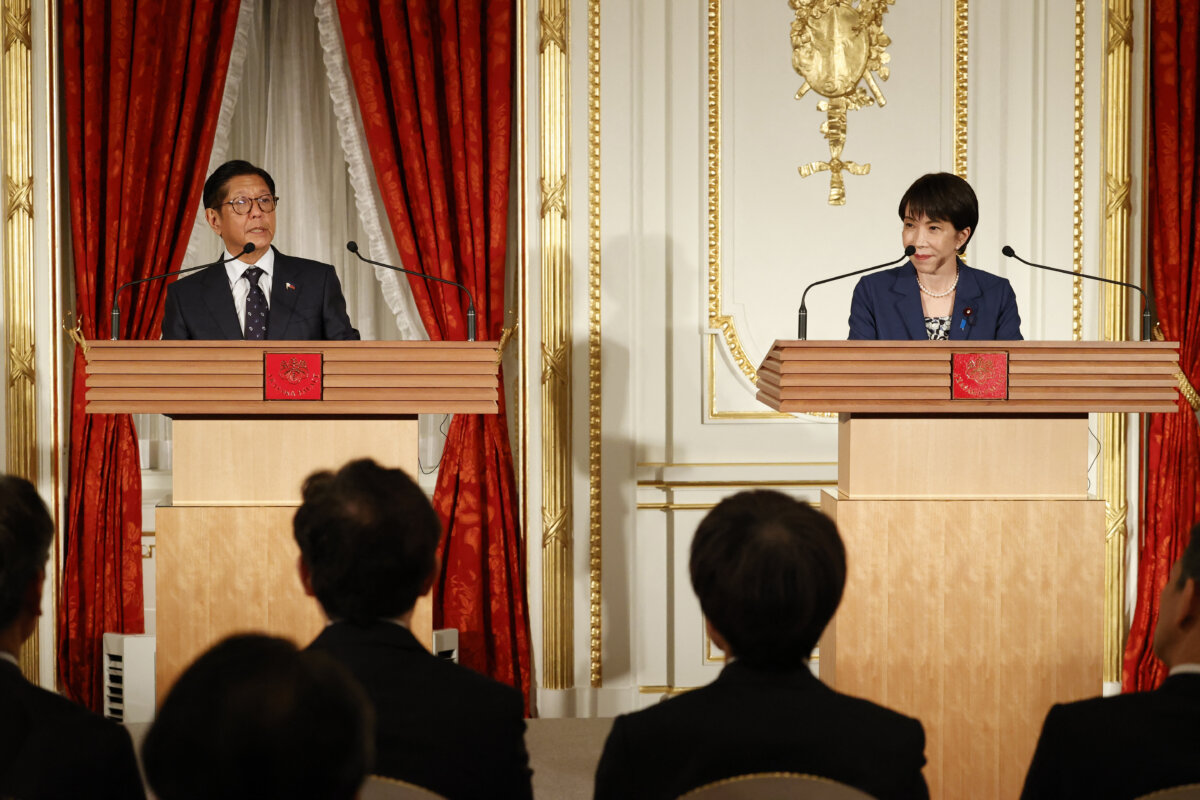
In recent weeks, Taiwan has reported increased Chinese activity near its waters, following Philippine President Ferdinand Marcos Jr.’s state visit to Tokyo last month, during which he and Japanese Prime Minister Sanae Takaichi elevated bilateral ties and committed to expanding security cooperation.
They also agreed to begin formal talks to “delimit the maritime boundary of the exclusive economic zone and the continental shelf between the two countries” in accordance with international law, according to a joint statement issued after the summit.
China’s foreign ministry has called the move “illegal,” saying that the areas Japan and the Philippines planned to discuss covered the waters east of Taiwan.
The Chinese regime claims self-ruled Taiwan as its own territory to be taken by force if necessary.
On June 7, Taiwan said that it detected four Chinese official vessels, including three from China’s coast guard, sailing into “restricted waters” southwest of the island.
In response, Taiwan’s coast guard dispatched five vessels to the area to “assist with monitoring,” according to a statement from the Coast Guard Administration in Taipei.
By late afternoon, all Chinese vessels had been “expelled from the restricted waters,” it said.
The Taiwanese agency accused Beijing of using Japan–Philippine maritime negotiations as a “pretext to conceal its attempts to create the illusion of jurisdiction,” reiterating its commitment to defend its sovereignty and maritime security.
It also released a broadcast exchange with China’s coast guard, in which a Chinese coast guard officer said the waters are under Chinese jurisdiction.
A Taiwanese coast guard officer replied, “China does not enjoy any sovereign rights in the eastern waters of Taiwan.”
The officer told the Chinese vessels to turn around and leave the water immediately.
“If a conflict occurs, you will face international sanctions,” the Taiwanese officer said. “Only by ensuring maritime stability can you ensure the development of your country. Please act cautiously for peace in the Taiwan Strait.”
Taiwan National Security Council Secretary-General Joseph Wu said on X that the Chinese regime “is nothing but a big fat bully.”
The operation came less than a week after China’s coast guard said it had conducted a “law-enforcement patrol” east of Taiwan, a move it said was to protest maritime negotiations by Japan and the Philippines.
Tokyo and Manila have deepened security cooperation in recent years, driven by shared concerns over the Chinese regime’s aggression in the South China and East China seas, as well as potential conflicts in the Taiwan Strait.
Marcos said last month that his country will inevitably be drawn into a conflict involving Taiwan, given its proximity to the democratically governed island, a remark that angered Beijing.
Takaichi, in response to a parliamentary question in November 2025, linked a Taiwan contingency to a potential “survival-threatening situation” for Japan, a designation that could enable Japan to deploy troops.
Since then, the Chinese regime has started a sweeping campaign to force Japan to retract its prime minister’s comments. In addition to diplomatic pressure, the regime has warned Chinese citizens against studying and visiting Japan and imposed a series of retaliatory economic and trade measures. Tensions between the two Asian giants escalated in January when China banned shipments of dual-use items to Japan if they could be adapted to enhance Japan’s military capability, drawing strong protests from Japan.
 Friends Read Free
Copy
Facebook
Tweet
Friends Read Free
Copy
Facebook
Tweet