The dust has settled after the United States lost a second consecutive World Baseball Classic final this past week, but the dirt from the country’s approach to the tournament continues to pile up.
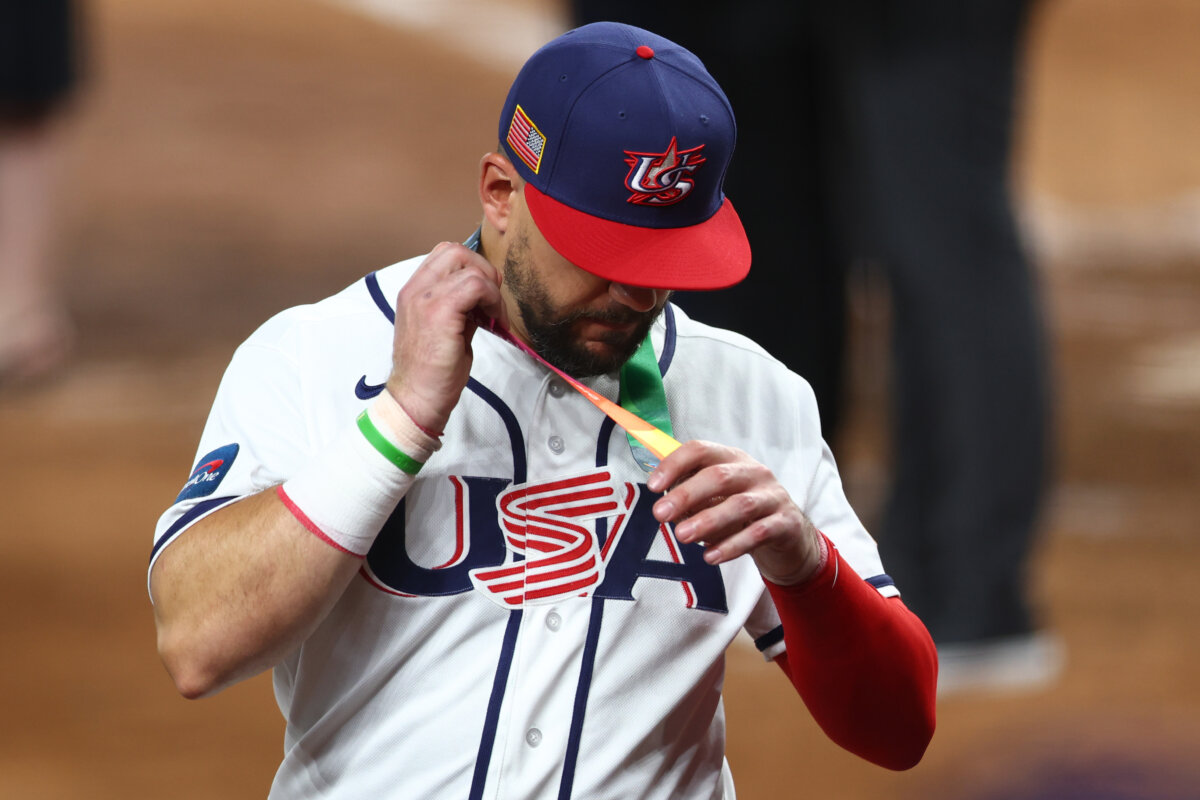
Players of first-time champion Venezuela had passion and tears after their 3–2 victory over the U.S. side on March 17, some members of the team saying the triumph trumps any World Series title anyone could imagine.
Meanwhile, the U.S. group swallowed another bitter silver-flavored pill as most players packed up for a return to their respective squads for the 162-game MLB season.
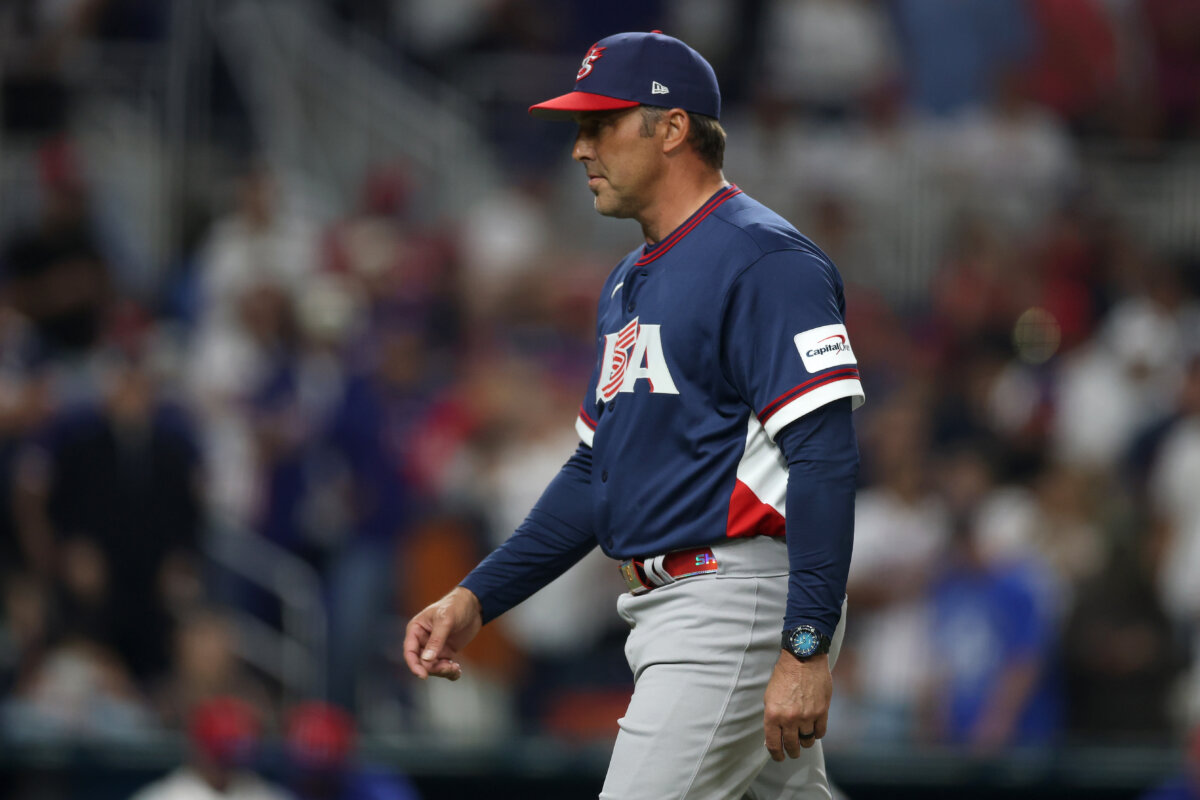
Team United States said it was hurting. That was difficult to fathom when there were contrasting agendas at play in the final. Manager Mark DeRosa shot back at reporters in his postgame press availability when he clarified he was “honoring the San Diego Padres’” desires for the use of closer Mason Miller.
DeRosa, as if he were managing a regular-season game in June, essentially said the decision not to deploy Miller with the score tied—but to use him instead to close out games—wasn’t his alone to make. So when the United States allowed the go-ahead run in the top of the ninth inning, having not used its best reliever, it was beyond DeRosa’s control.
“Had we taken the lead, he was coming in. But I wasn’t bringing him into a tie game,” DeRosa said after the loss to Venezuela.
The U.S. side didn’t seem to have its best pitchers on the mound in the biggest moments, and its batters didn’t hit.
Detroit Tigers ace Tarik Skubal was a perfect example of the mixed messages and approach by many red, white, and blue players. Skubal first told the world he was just going to the tournament for one outing and planned to return to the Tigers on the first plane out.
But once the left-handed starter got a taste of the atmosphere and the national pride he felt in wearing the Stars and Stripes on his sleeve, the two-time reigning Cy Young winner remained with the team.
He didn’t, however, pitch in the final, and the U.S. group obviously could’ve used last year’s 13-game winner. That kind of half-hearted commitment was prevalent throughout the team, which didn’t have the top U.S.-born pitchers on the roster.
Longtime Tokyo-based reporter Jim Allen, who covered the Samurai Japan side that lost to Venezuela in the quarterfinals, said that attitude is right on brand with Major League Baseball, its teams, and the men on the field.
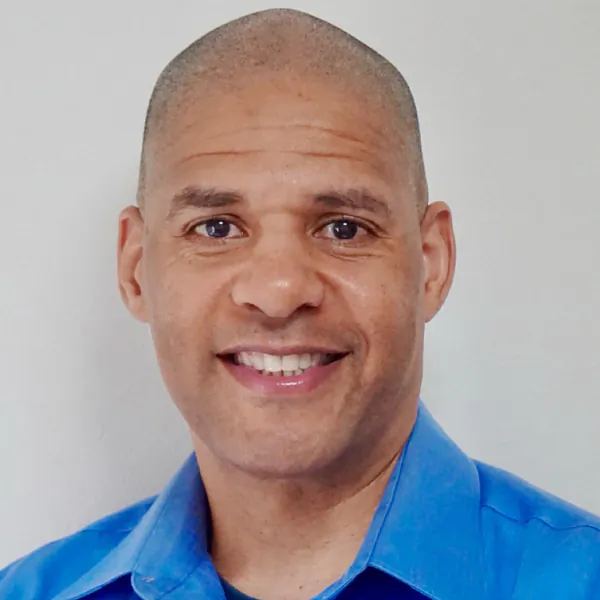
“American MLB players have generally been supportive of the WBC, but the individual efforts of players to prepare for it and win it, cannot, in my opinion be compared to what players from [other] countries do when they plan different offseason training regimens to be ready for the WBC,” Allen wrote in an email to The Epoch Times.
“Yakult (Swallows) center fielder Yasutaka Shiomi, for example, told me in 2023 that he ruined his fitness in 2022 by training overly hard to be selected to play for Japan. In the United States, it’s an honor to play for your country in a preseason tournament. In Japan, it’s on another level.
“When Davey Johnson’s USA [squad] lost to Japan in the 2009 semifinals, he was questioned about his pitching choices. He said he left one pitcher in the game longer than he might usually have done because it was important for him to build up his innings so he would be ready for the regular season.
“People paid to see team versus team, and not to have their teams forced to compete with artificial restrictions,” he said.
Johnson’s comments came during the infancy of the WBC, but the scenario isn’t that far removed from DeRosa’s decision to leave his best closer on the shelf as the team’s chances faded in front of the world.
When Japanese superstar Shohei Ohtani struck out U.S. icon Mike Trout to end the 2023 WBC final, the Americans could’ve made organizational changes to their approach right then and there. But the WBC rules seem to confuse even the players and coaches representing the home of baseball.
“Since winning in 2017, American players have turned a corner with the realization that just showing up is not enough to get the job done against teams that really, really care,” Allen said. “Yet, the overall commitment is still not there, as witnessed by mailing in their pool finale under the assumption that a quarterfinal berth was already assured.
“One issue the U.S. has with a WBC commitment is that MLB owners’ commitment to the tournament is dependent on their Collective Bargaining Agreement (CBA).
“No one knows when the next WBC will be held because the CBA expires on Dec. 31, and bringing down the union and getting some kind of salary cap is, for the owners, vastly more important than making baseball bigger around the globe.”
Japan is a three-time WBC champion, and the Dominican Republic, Venezuela, and the U.S. side have each won it once. America’s game is growing, but the United States doesn’t seem to have a Classic approach.
 Friends Read Free
Copy
Facebook
Tweet
Friends Read Free
Copy
Facebook
Tweet