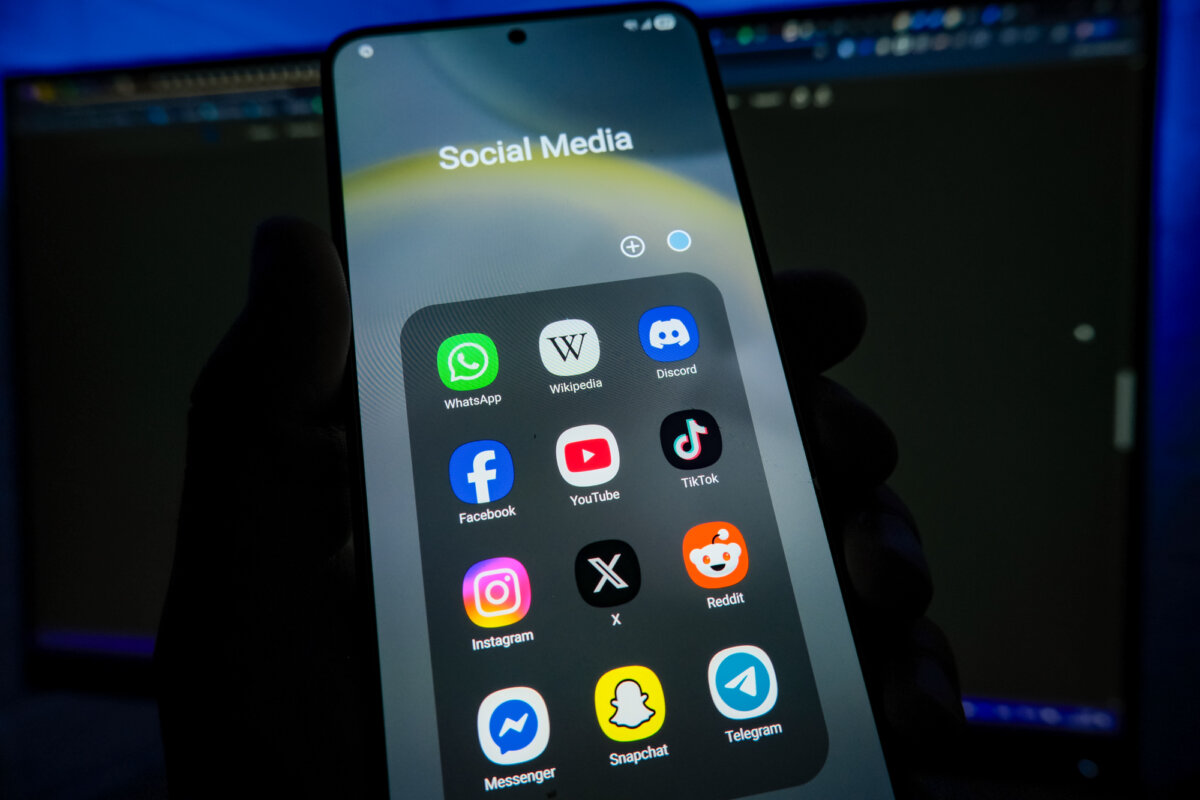

Instant messaging platform WhatsApp, owned by Meta, has been blocked in Russia for failing to comply with local law, the Kremlin said on Thursday, following restrictions placed on Telegram earlier this week.
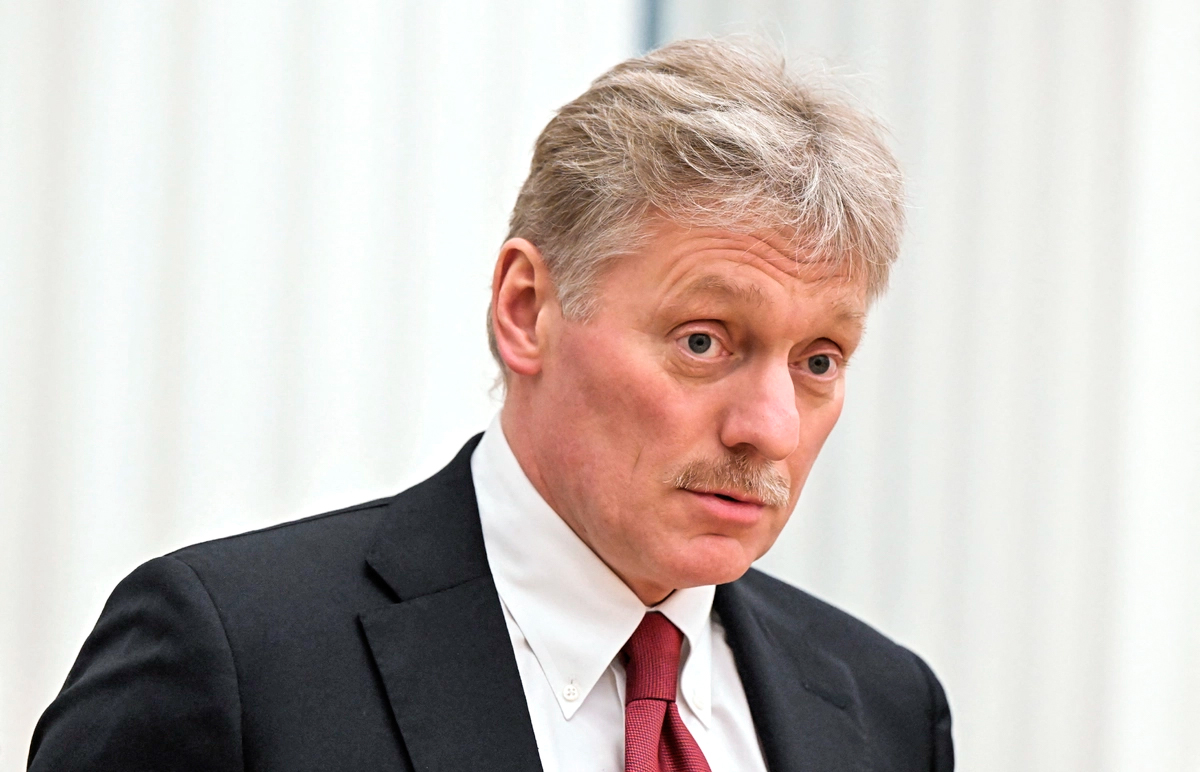
“Due to Meta’s unwillingness to comply with Russian law, such a decision was indeed made and implemented,” Kremlin spokesman Dmitry Peskov told reporters on Feb. 12, suggesting that Russians switch to state-owned messenger app MAX instead.
Critics have said MAX is a surveillance tool, which the Russian authorities deny. The app integrates various government-related services, and the Kremlin says it is designed to simplify and improve the lives of citizens.
Russians can circumnavigate the block on WhatsApp by using a virtual private network (VPN) on their devices.
The blocking of WhatsApp follows months of pressure on Meta as part of a push by Russian authorities to persuade foreign-owned tech companies to follow local laws. Meta Russia has already been designated an extremist organization by the Kremlin.
“Today the Russian government attempted to fully block WhatsApp in an effort to drive people to a state-owned surveillance app,” WhatsApp posted on X.
“Trying to isolate over 100 million users from private and secure communication is a backwards step and can only lead to less safety for people in Russia,” the company’s statement added.
The communications regulator in Russia, Roskomnadzor, first began restricting WhatsApp and other messenger services in August, initially with the in-app call feature, after raising concerns that foreign-owned platforms were failing to share information with local law enforcement in fraud and terrorism cases.
In December, the regulator announced new measures to gradually restrict the app, which it accused of continuing to violate Russian law and of being a platform used “to organize and carry out terrorist acts on the territory of the country, to recruit their perpetrators and to commit fraud and other crimes.”
Since December, many Russians have switched to using rival messenger apps, though some of those, including Telegram, are also under pressure from the authorities for the same reasons.
-


Conditions for Unblocking
Speaking to state media agency TASS, Peskov laid out the conditions for unblocking WhatsApp.
“It’s a matter of implementing legislation. If Meta Corporation implements it, it will enter into a dialogue with the Russian authorities, and then it will be possible to reach an agreement,” Peskov said on Feb. 11.
“If the corporation takes the same uncompromising position, and, I would say, shows complete unwillingness to focus on Russian legislation, then there is no chance,” he added.
Telegram is facing further restrictions from authorities in Russia because it has failed to correct previous violations, Roskomnadzor said on Tuesday.
The regulator began limiting voice and video calls for Telegram users in Russia last August. It also it blocked Apple’s video-calling app, FaceTime, in December, at the same time as it began restricting WhatsApp.
Telegram’s Russian-born founder, entrepreneur Pavel Durov, said his app remains committed to freedom of speech and user privacy “no matter the pressure.”
Third-party compiled data estimates there are around 35 million Telegram users in Russia—one of the largest national user bases globally.
-
Roskomnadzor said in a statement on Feb. 10 that a number of messaging apps, including Telegram, had failed to take action in the past few months to address the watchdog’s complaints.
“As before, Russian law is not being observed, personal data is not protected, and there are no effective measures to counter fraud and the use of the messaging app for criminal and terrorist purposes,” it said.
“Therefore, by decision of the authorized bodies, Roskomnadzor will continue to impose successive restrictions in order to ensure compliance with Russian legislation and ensure the protection of citizens.”
Peskov told TASS he was aware that Telegram was “not meeting the requirements of Russian legislation.”
“It is a great shame that the company is not carrying out laws that need to be observed,” Peskov said.
The Kremlin also uses Telegram, which is widely used by citizens, official agencies, and media of all kinds for instant communication with those who follow their channel.
According to military bloggers, Telegram has been used extensively by Russian soldiers fighting in Ukraine.
‘Iran Tried Same Strategy’
Durov, writing on his Telegram channel, accused authorities of restricting access to Telegram to push Russians toward a state-controlled alternative, in an apparent reference to the MAX app.
He wrote, “8 years ago, Iran tried the same strategy—and failed. It banned Telegram on made-up pretexts, trying to force people onto a state-run alternative.
“Despite the ban, most Iranians still use Telegram [bypassing censorship] and prefer it to surveilled apps.
“Restricting citizens’ freedom is never the right answer,” the entrepreneur added. “Telegram stands for freedom of speech and privacy, no matter the pressure.”
The Russian government has already banned Meta’s Facebook and Instagram, and restricted access to Google’s YouTube.
It previously attempted to block Telegram in 2018 after the company refused to give up encryption keys. The government lifted the ban in June 2020, acknowledging that it had failed to effectively block the app and citing a willingness by Telegram to cooperate on extremism and terrorism issues.
Russian courts have repeatedly fined WhatsApp for failing to delete banned content and the authorities have called on the company, which has an estimated value of more then $1.6 trillion, to establish a local representative office in Russia to help with legal compliance.
State news agency RIA reported that Telegram is facing fines of up to 64 million roubles ($828,000) in eight upcoming court cases in connection with alleged failures to remove information required under Russian law. It said bailiffs were seeking to collect a further 9 million roubles ($116,500) in earlier, unpaid fines.
Reuters contributed to this report.
 Friends Read Free
Copy
Facebook
Tweet
Friends Read Free
Copy
Facebook
Tweet