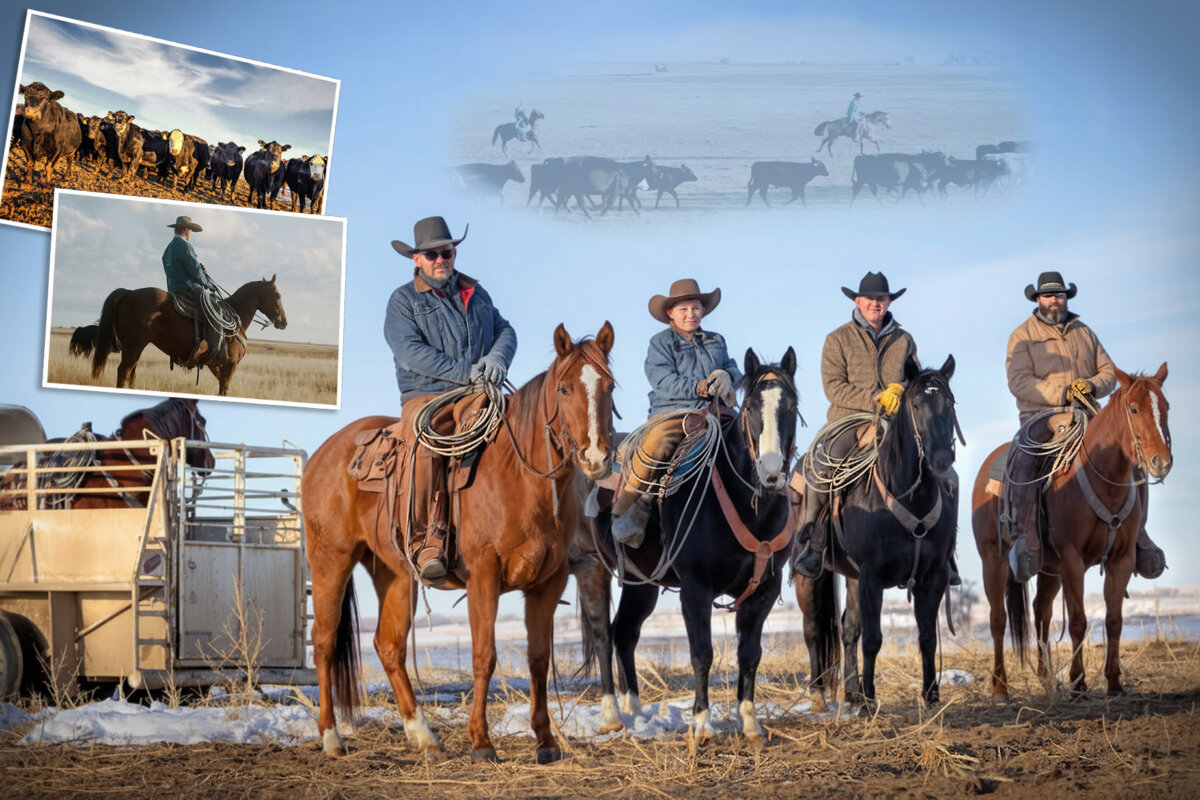
Outside the tiny town of Wiley, Colorado, there are real-life cowboys who are surviving in business against all odds, carrying on their cowboy tradition into the modern age.
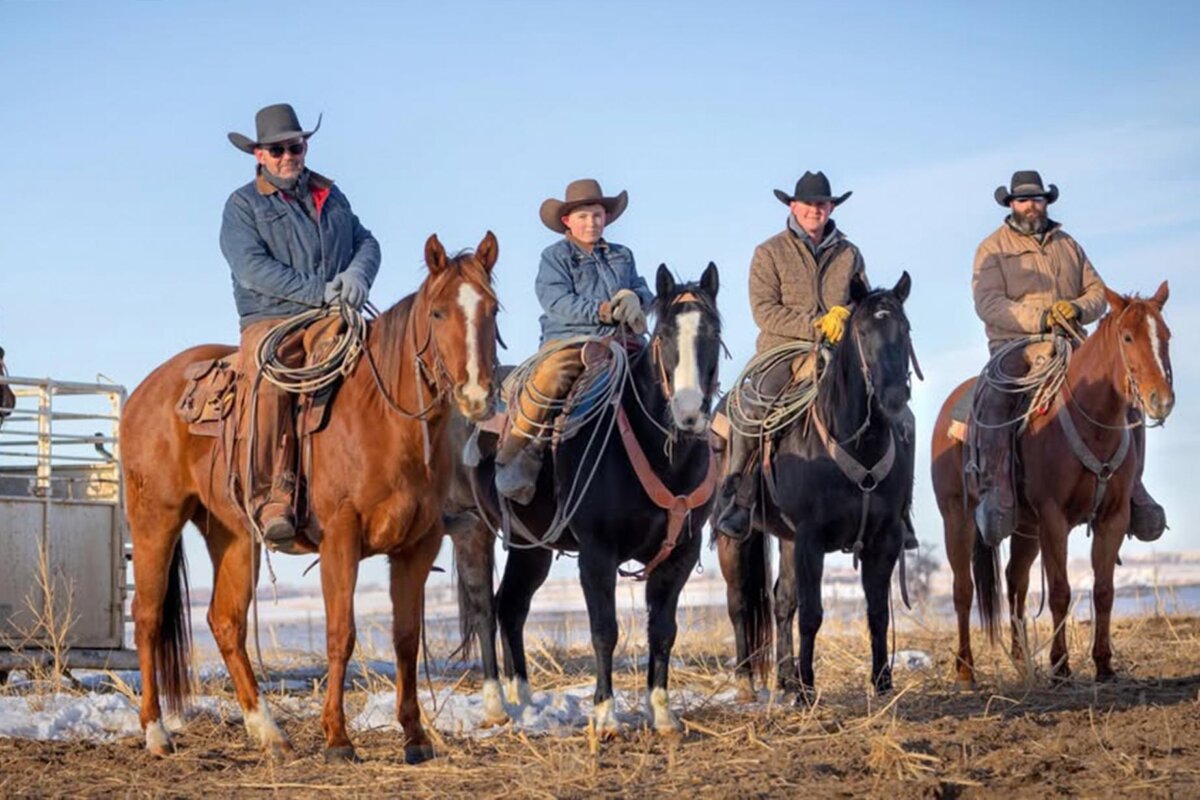
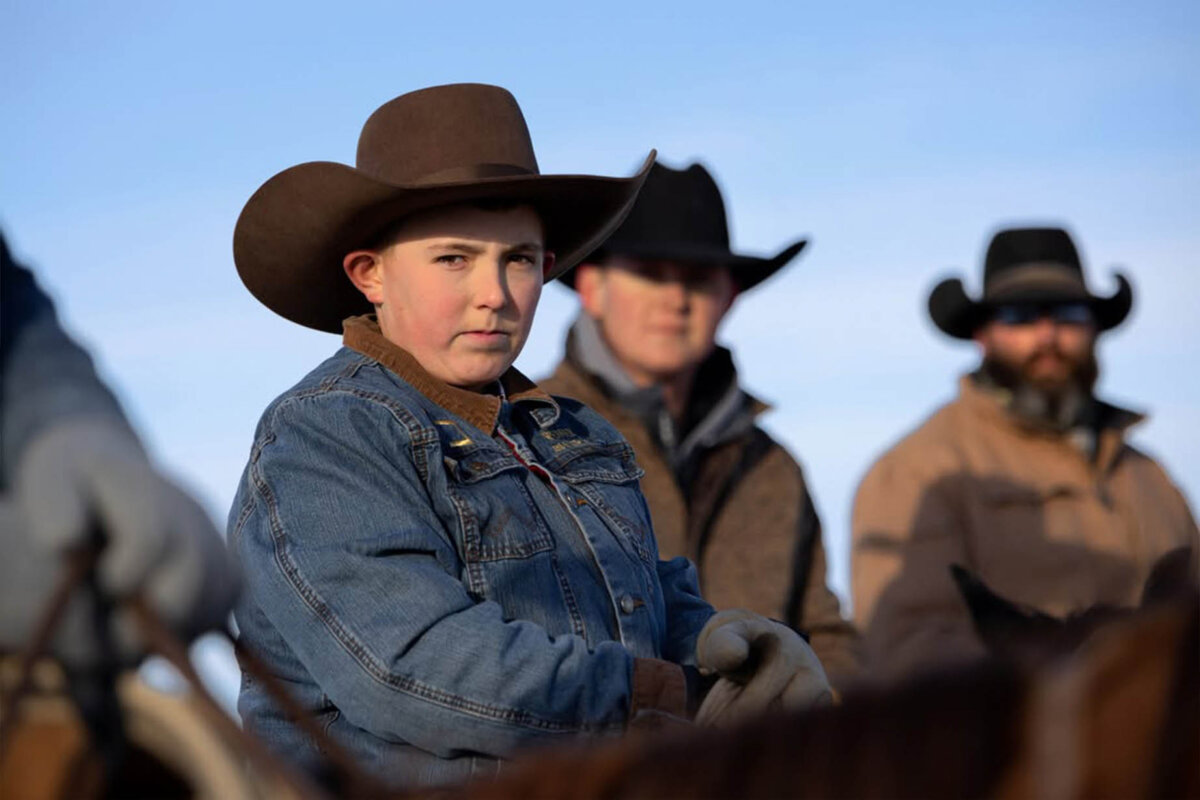
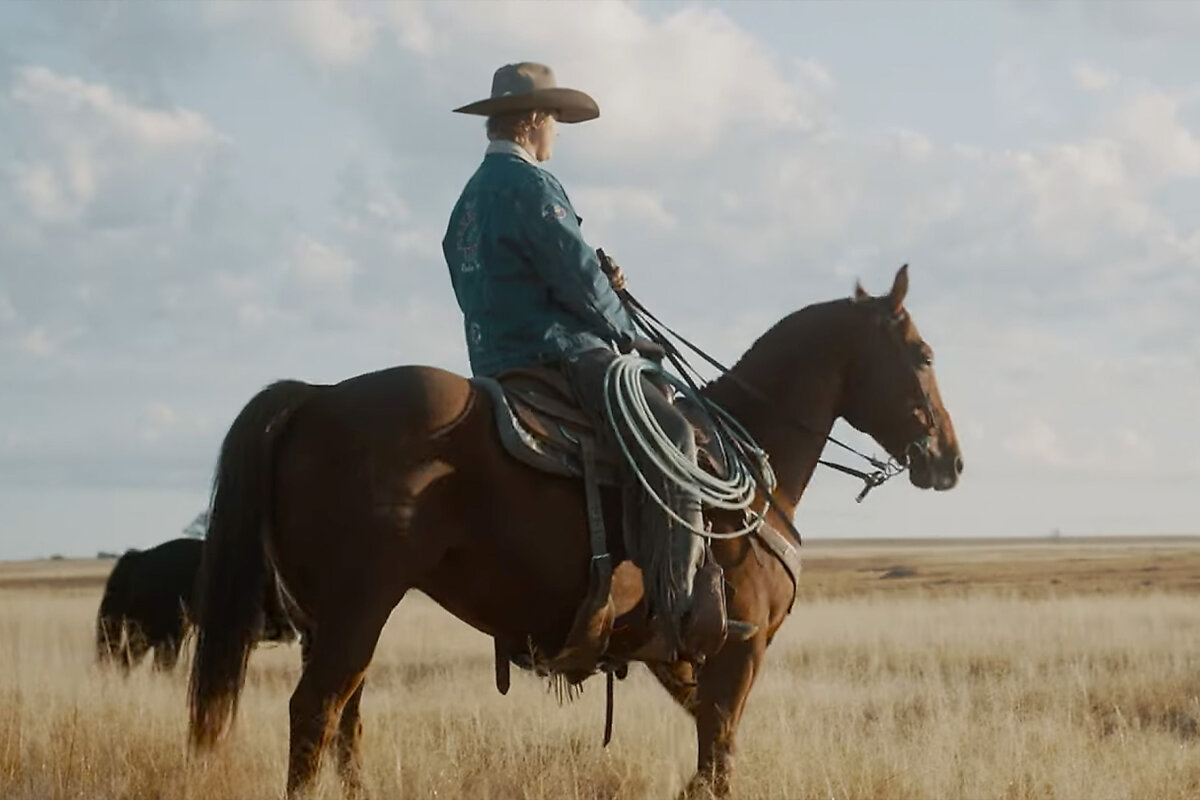
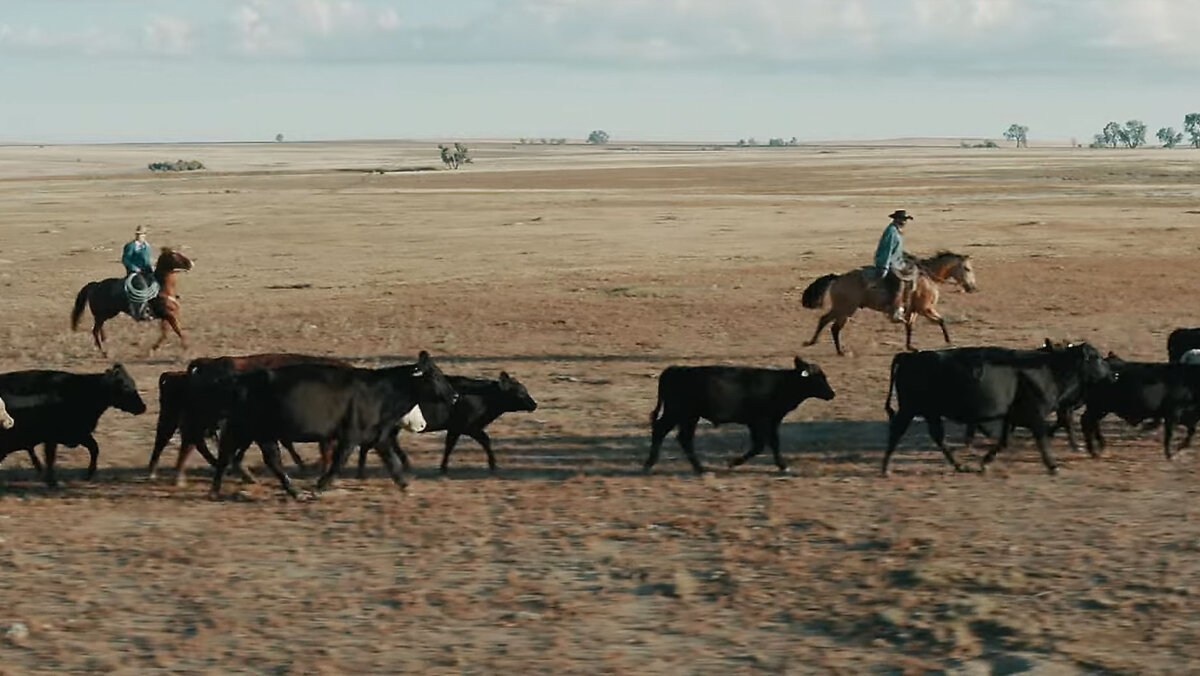
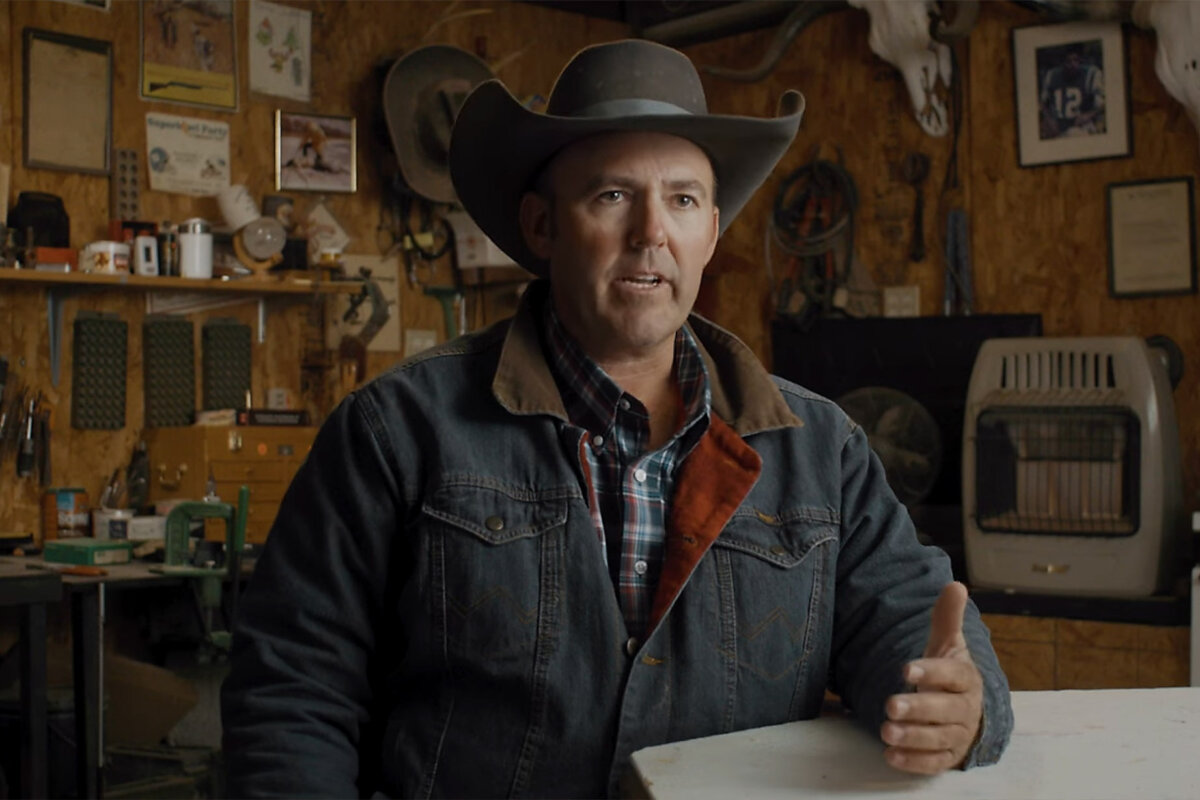
Josh Weimer rises at 4:00 a.m., before sunlight, and saddles up alongside his 15-year-old son, Trate, to start another day struggling to cut out the middleman in the beef industry. Weimer’s hands have thrown more lassos than he can remember and are no stranger to bitter cold days and decades of hard work. They’re on the range almost year round, driving or sorting cattle alongside hired cowboy hands.
But today this seasoned 49-year-old wrangler wants to work smarter, not harder. He wants to ship his Angus and Hereford hybrid beef all the way to his clients’ doorsteps using a tool that’s long been the bane of his existence: media technology.
For the Weimer family, ranching has evolved in leaps and bounds over the past 120 years. Josh Weimer has added immensely to what his great-great-great grandfather once owned, buying up or adding land to increase its size nearly tenfold. Otherwise, their cowboy ways probably would have died, he says. Big industrial ranches are taking over, and it’s a battle to stay in business.
“The little guys don’t exist anymore. You grow bigger or you get swallowed up,” Weimer told The Epoch Times. “The margins are really narrow, so you got to have a lot of acres to kind of make the cash flow, or make it work.”
The work itself—all done on horseback—is harsh but rewarding in its own way, Weimer says. While it’s not easy herding a quarter million dollars worth of livestock across highways, local patrollers help stop traffic while neighboring ranches lend a hand. Though the days are hard, he says there’s “probably nothing better” than this lifestyle.
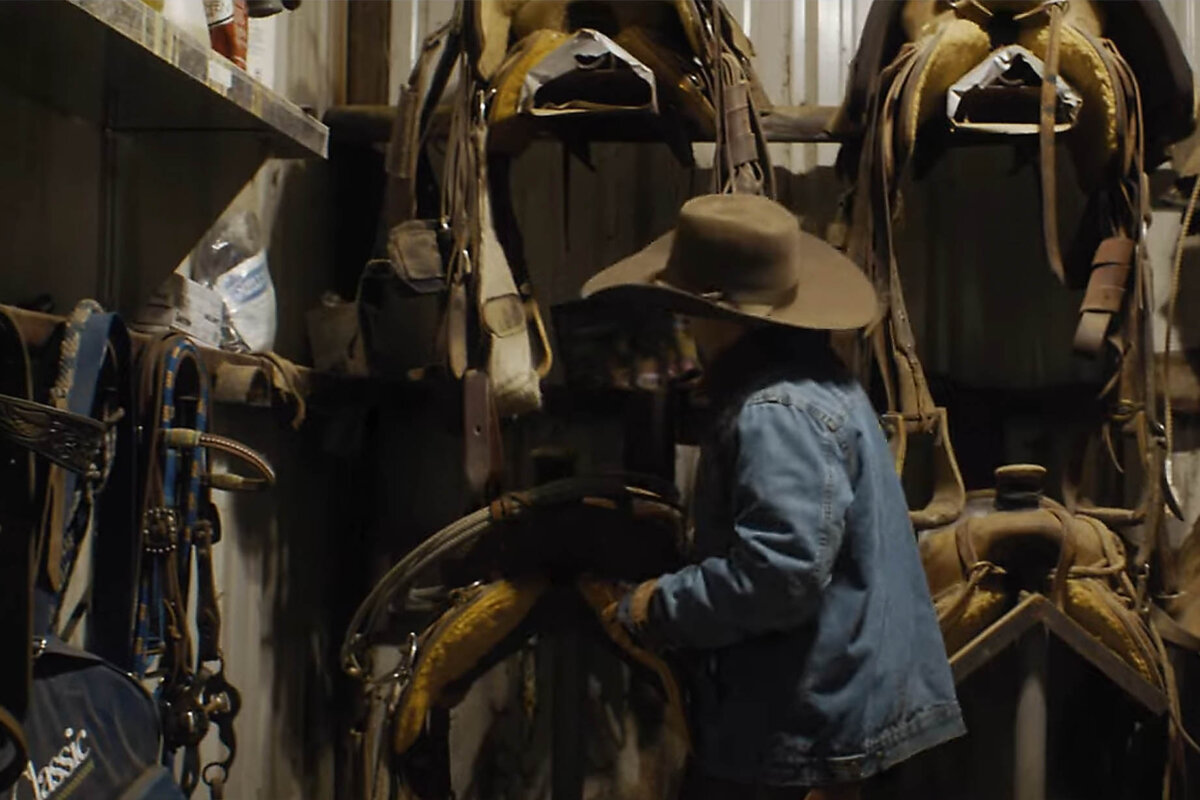
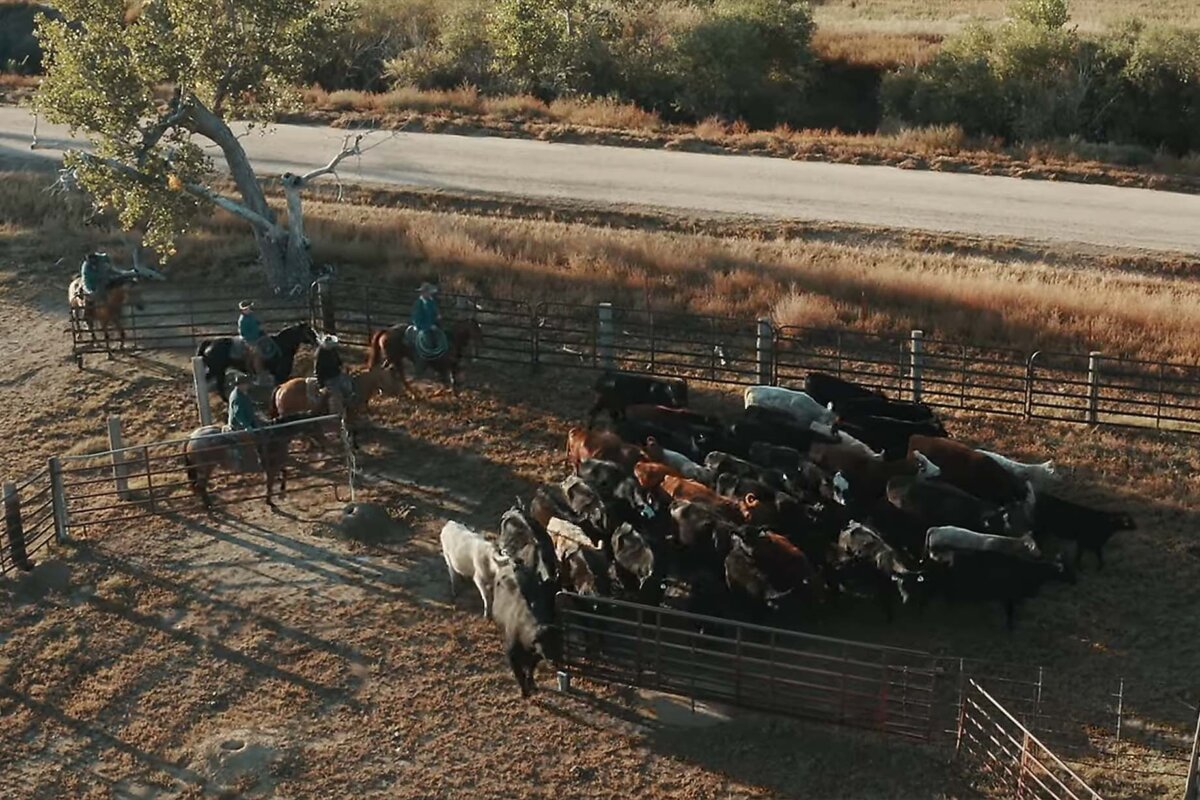
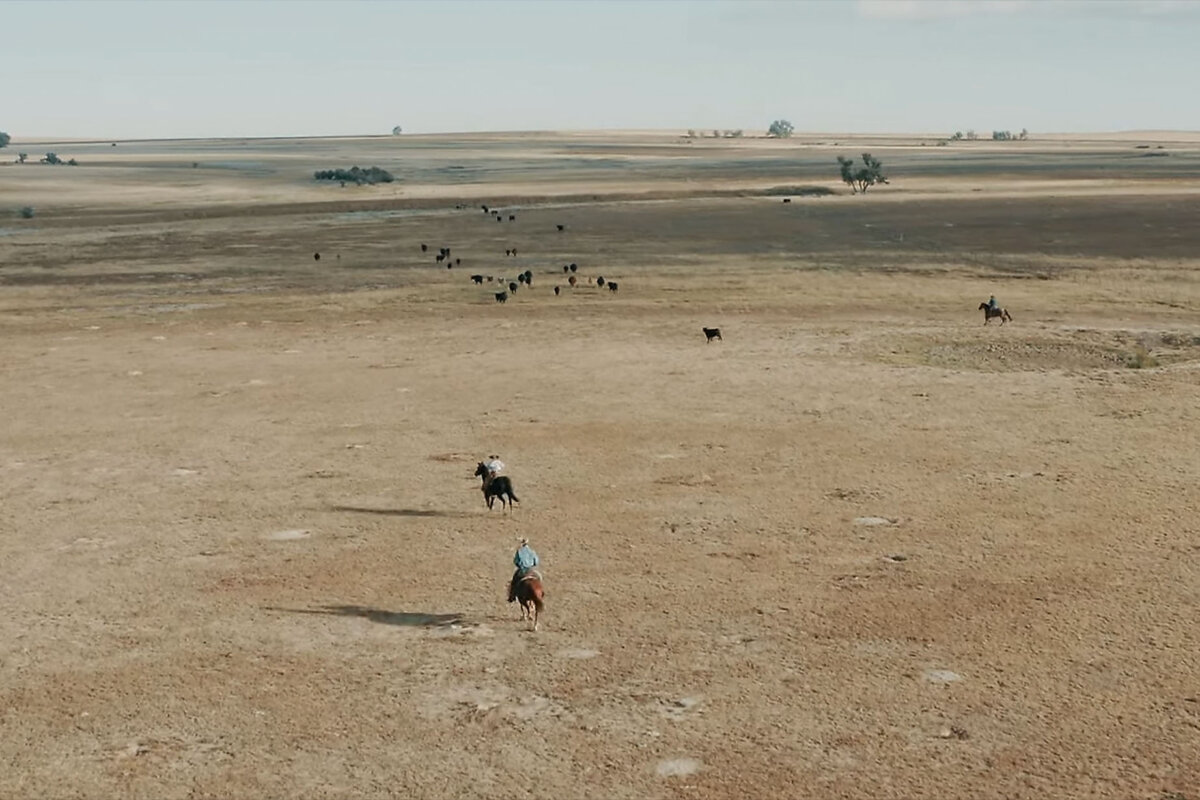
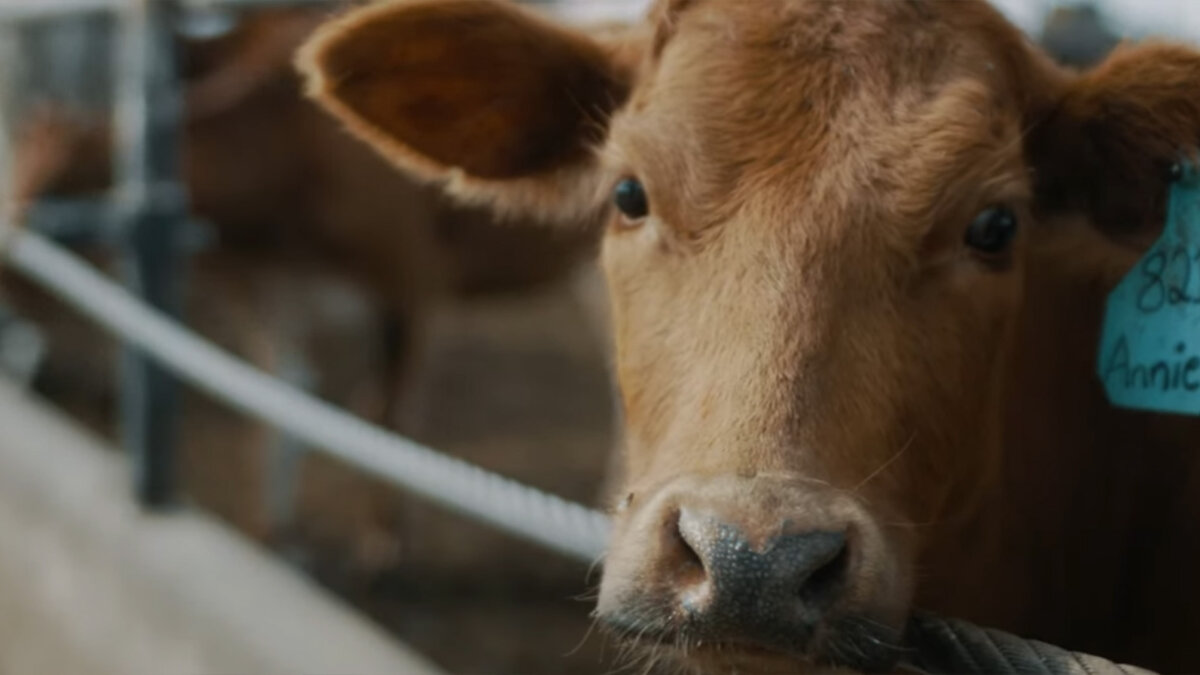
Weimer’s ranch, called Wiley Ranch, can process 30 head of cattle a day, about 20,000 pounds of beef a week. It has traditionally supplied local schools and the only burger restaurant in their 400-person town. What can’t be marketed as beef is sold as livestock to feedlots (the aforementioned middlemen) who bulk them up in weight before selling to even larger, corporate feedlots that do the same. What started as a 600-pound steer ends up 1,300 pounds.
“We’re not like a corporate yard that’s trying to get get five pounds a day gain. Our cattle probably get three pounds a day,” Weimer said. “We don’t use any growth hormones or really anything. It’s really, really clean meat.”
Their dry aging stage is “the icing on the cake,” he says. The process is slower but “just makes a better product” while the ranch operates “as it was in the 1800s.”
But times have changed, making the old-fashioned ways less viable.
In the world Weimer remembers, the price of an acre of irrigated land was $700, while it has risen to $4,500 today. Although weather used to be the gravest concern for ranchers in olden times, today liability and lawsuits are equally formidable risks. And with all the regulations, such as rules around environmental emissions and whatnot, it’s almost not worth it.
“It makes it real challenging,” he said, because “it just doesn’t work on paper.”
“You kind of got to do it because you love it.”
Taking on loans to acquire land needed to increase yields, the ranch’s future is now uncertain. Weimer awoke to a fact: he needed to get really creative to stay in business.
He came up with a plan.
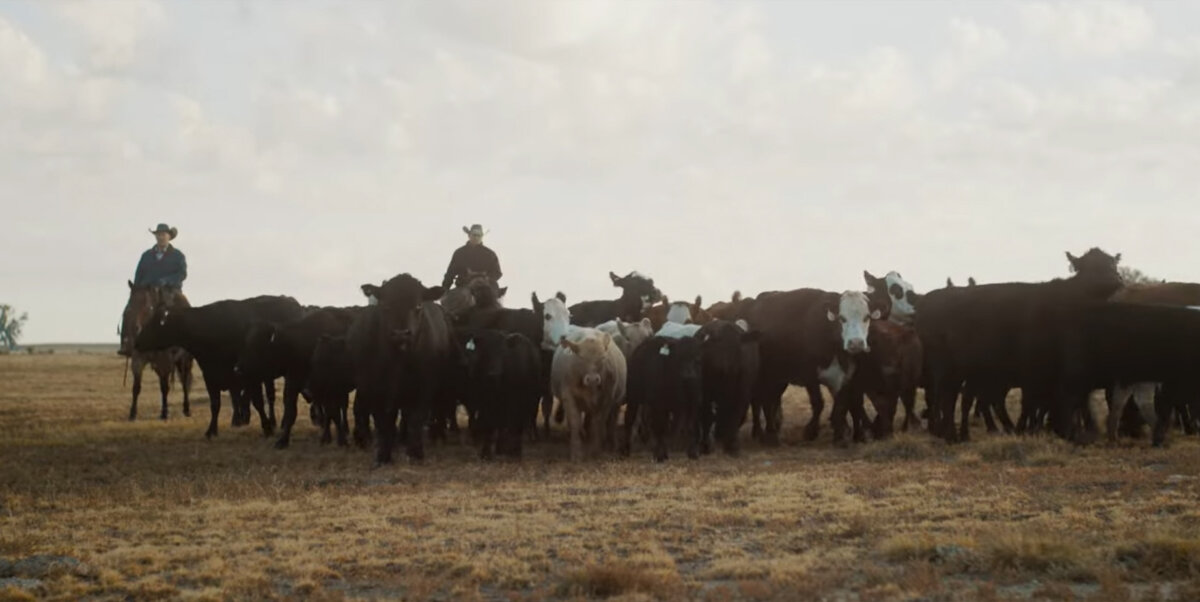
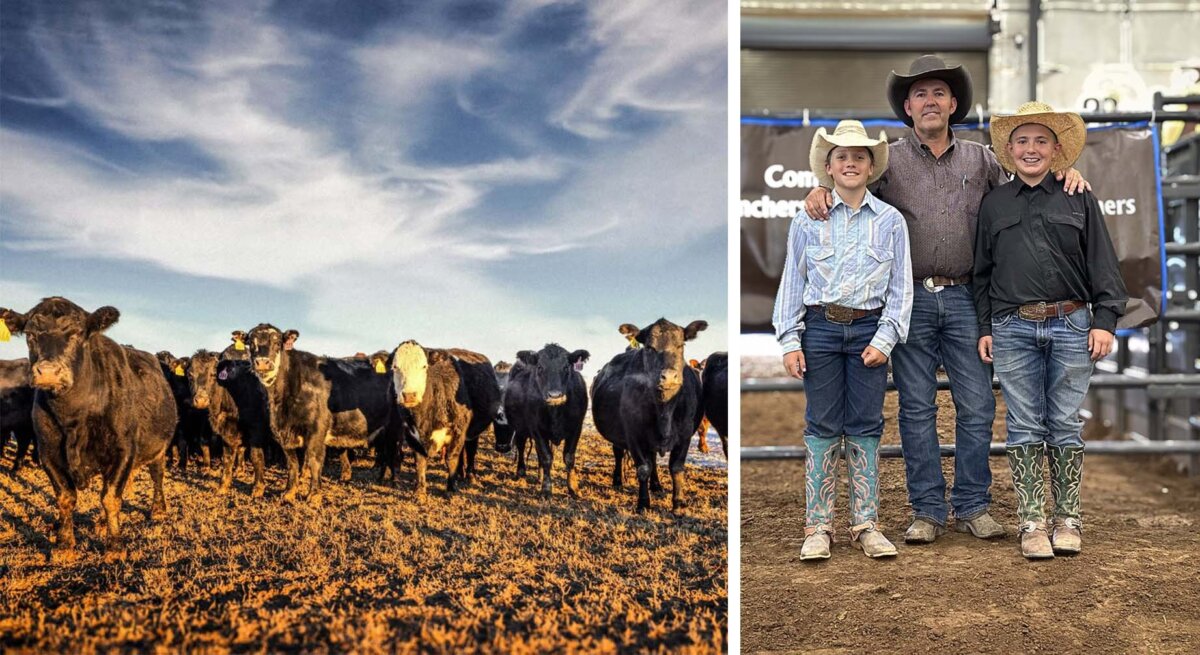
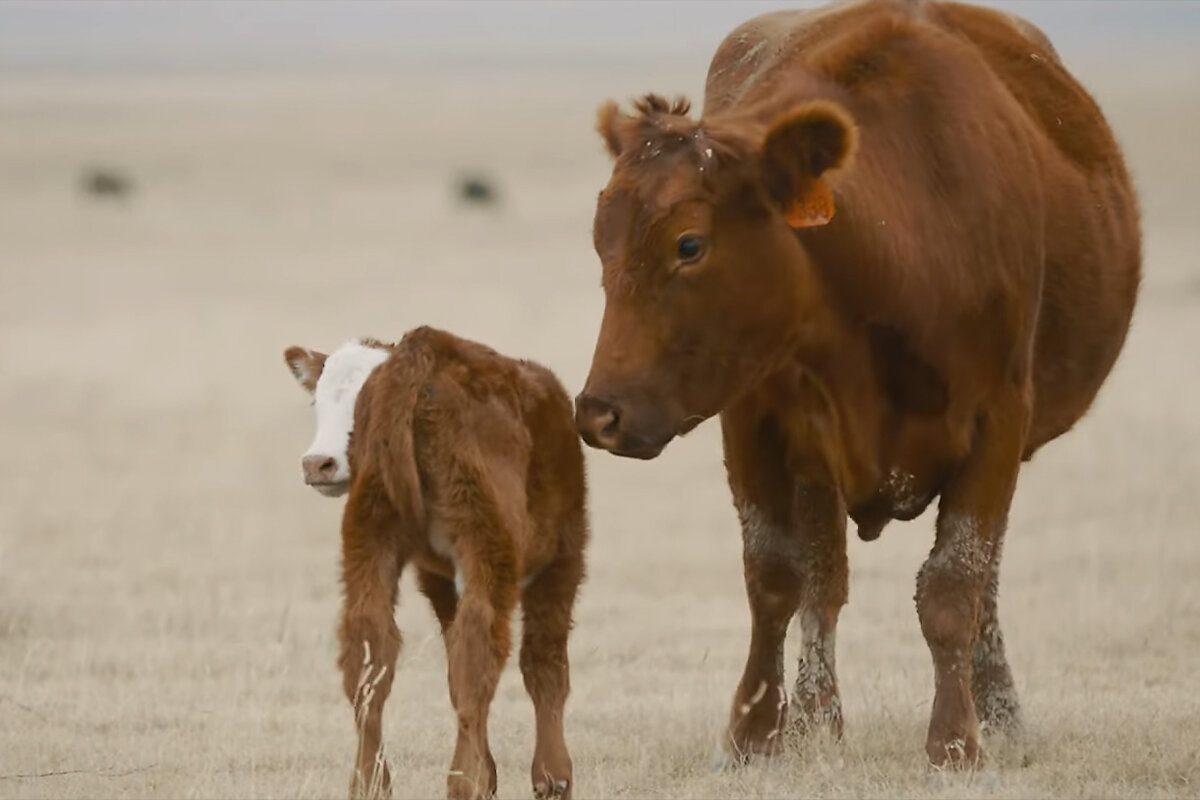
For Wiley Ranch, there are able bodies willing to carry its cowboy traditions into the next generation. It’s very clear today that Trate knows what career he wants.
“I’m not telling him that he has to take this thing on, but you can tell that it’s in his blood,” Weimer said, adding that his goal is to pay down the debt so that “financially it makes sense where [Trate] doesn’t have to kill himself to keep the thing going.”
But they would have to get with the times to survive. Livestock shows and sales were (and still are somewhat) time-honored marketplaces for ranches where the old-fashioned ways shone.
“There’s million-dollar deals done over a handshake still out here,” Weimer said.
But increasingly, the handshakes are done online.
Modern farms have started holding virtual markets and adopting more hip social media sales strategies to stay competitive. Many have realized the edge this electronic forum offers: it cuts out the middleman, the huge industrial feedlots, by selling directly to the consumer’s doorstep.
Demand for better-quality meat has soared since the pandemic, with consumers favoring hormone- and antibiotic-free pasture-raised beef over meat produced in industrial facilities. For many, the mantra now is to buy local or from authentic ranchers like Weimer, who ships boxes of frozen beef all across the states.
“We’re allowing people to access ranch-raised beef that’s as clean as can be and very, very good,” he said.
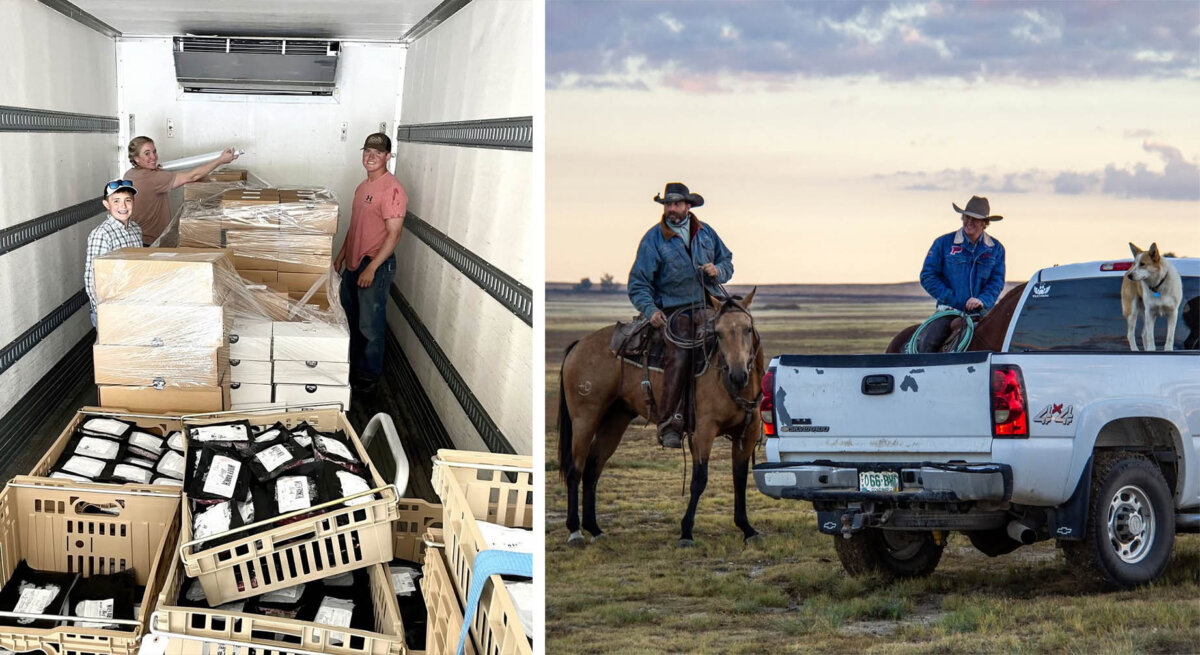
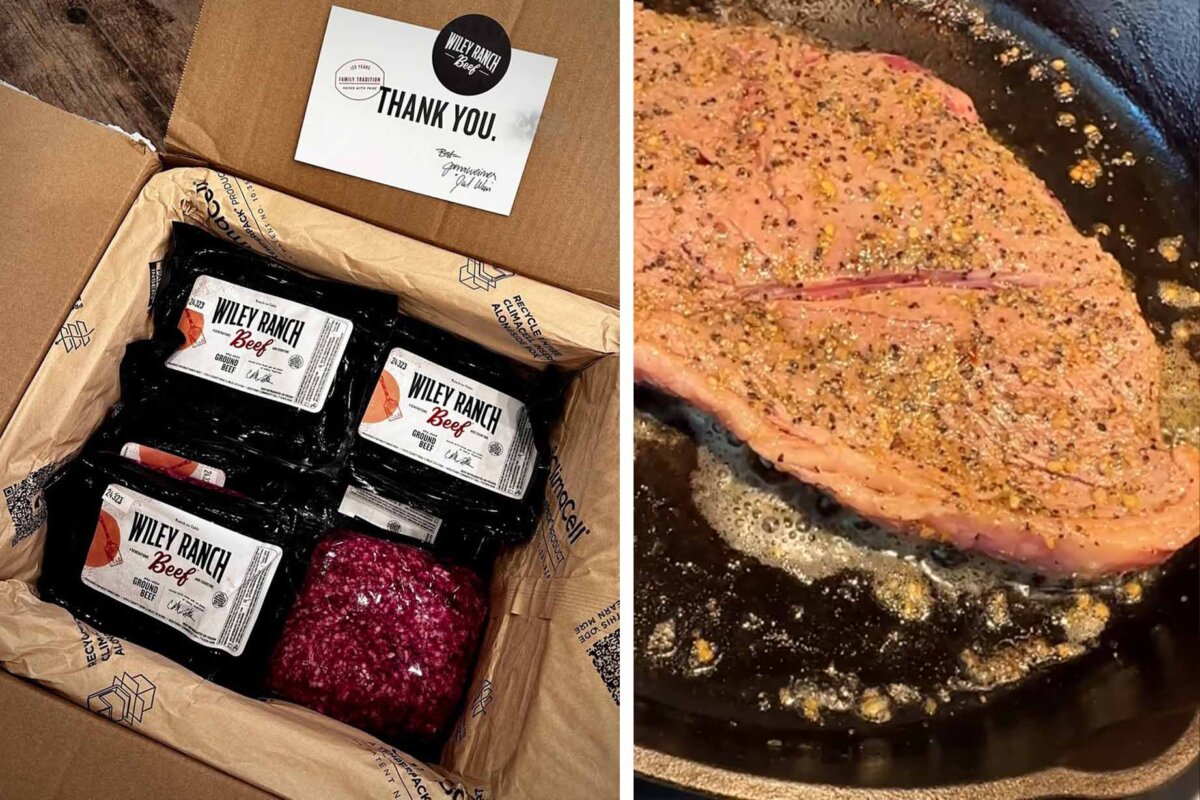
Thanks to the power of internet platforms, such as Instagram, some farmers have done away with traditional barriers between the rancher and buyer. Enlisting social media agents, real cowboy family ranches are learning to brand, market, package, and sell kitchen-ready cuts for direct consumption.
For Weimer, the big trick was getting past the technology. Fortunately there are e-savvy hands for hire. “I partnered with a media guy, Paul Reid’s his name, in Arizona, for the digital marketing and the Google ads and all of that, which is way above my pay grade,” Weimer said. “I think we’re a little bit ahead of the curve.”
His marketing venture has now almost paid for itself, though Weimer admits sales haven’t been “super successful.” Looking on the bright side, he says his ever-increasing customer base extends from Los Angels to New York and just about every state in between. Plus, they’re mostly return buyers.
And all these e-commerce inroads have granted an added satisfaction for this fourth-generation rancher.
“I’m not the most techy guy in the world,” Weimer said. “When you start a project like this you think it’s all about staying alive financially. And then the longer I go with it, it’s rewarding to see your product in people’s hands.”