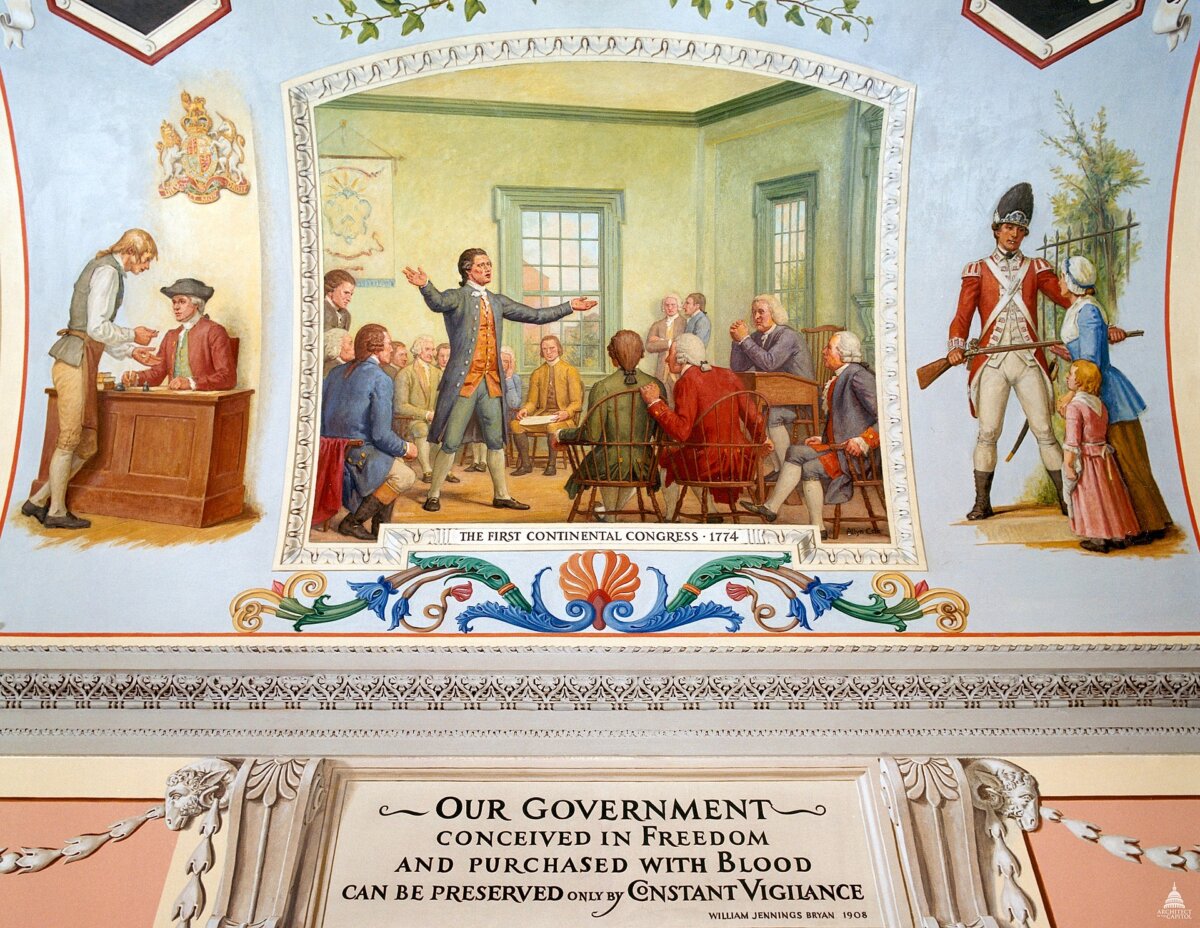
You won’t find his name on the Declaration of Independence nor was he present when the Articles of Confederation were proposed and ratified. A well-respected Virginia attorney from a wealthy and influential family, he was the first man elected as President of the Continental Congress and was again elected President of the Second Continental Congress.
His was a moderate voice who helped bridge the gap between those who prioritized negotiating colonial grievances with England and the radical factions who favored independence. This little-known Founding Father played a significant role as a nationalist leader and helped lay the foundation for American independence.
If not for his premature death at age 54, Peyton Randolph probably would have merited mention along with names like George Washington, John Adams, and Thomas Jefferson.
Legal Training in England
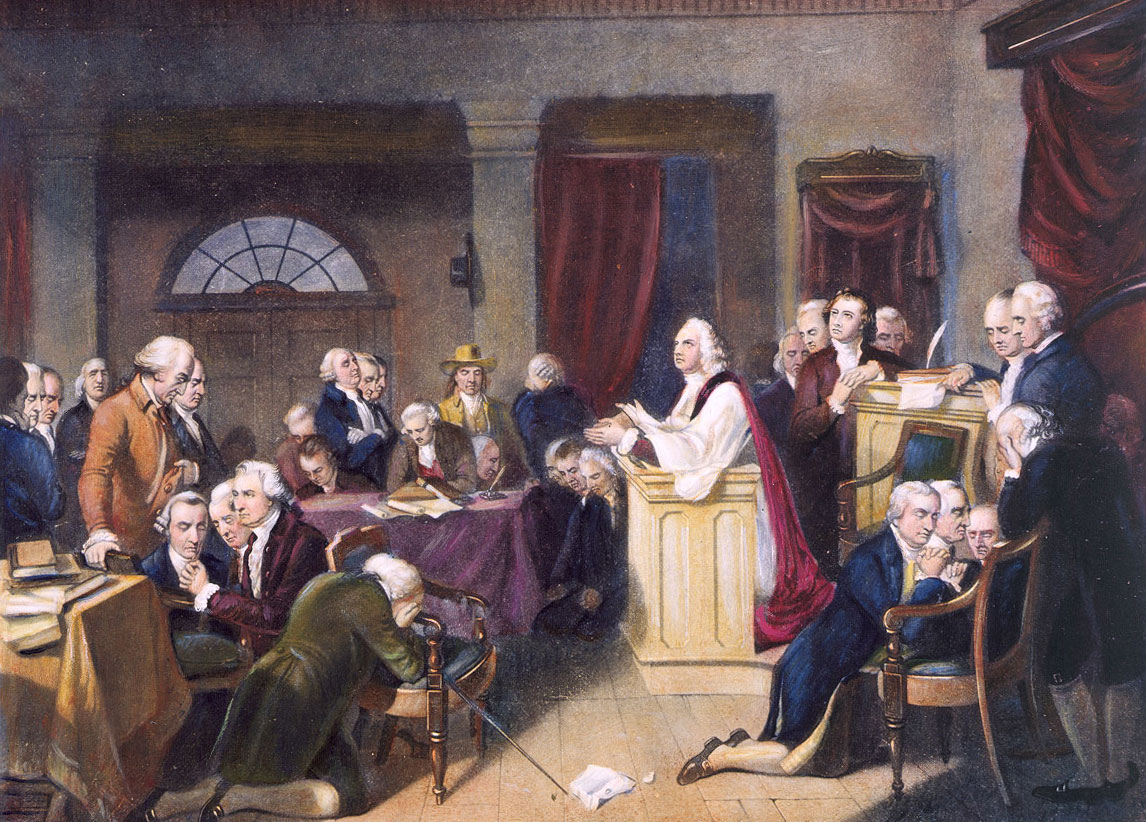
Following graduation from the College of William and Mary, Randolph set sail for England in 1739 to study law at the prestigious Middle Temple, England’s principal training ground for future barristers. Five years later, he was sufficiently inculcated in precise English law and its applicability to colonial issues to return to Virginia and set up his own legal practice. It was soon booming.
In 1744, he was appointed the king’s attorney general for the Virginia colony. He held the office for 22 years except for a one-year period when he temporarily resigned to travel to England to argue against a fee the Virginia governor was imposing on land patents.
Following in his family’s footsteps, he entered politics after his election to Virginia’s House of Burgesses, where his father, grandfather, and great-grandfather had held influential positions. Randolph eventually attained the position of Speaker.
Thomas Jefferson was Randolph’s cousin once removed. In 1769, he said of Randolph’s performance as speaker: “Altho’ not eloquent, his manner was so substantial that no man commanded more attention; which, joined with a sense of his great worth, gave him a weight in the House of Burgesses which few ever attained.”
As a leader of Virginia politics and as a plantation owner, Randolph frequently engaged in a delicate balancing act between coordinated resistance on behalf of the colonies and petitioning England due to Virginia’s economic ties there. A skilled negotiator, he had a reputation for forging pragmatic consensus between opposing parties.
It was due to his respected role as speaker of the Virginia House of Burgesses and Virginia’s role in colony resistance that Randolph was unanimously elected President of Congress in the first Continental Congress Sept. 5, 1774.
First and Second Presidential Terms
During his first stint as president of Congress, Randolph signed the Continental Association, a unified colonial boycott of English goods in response to England’s Intolerable Acts. England wanted to punish the colonies after the Boston Tea Party by having their losses reimbursed and reasserting the king’s authority.
The Continental Association’s colonial boycott prohibited the import and export of British goods and created local enforcement committees—the committees of inspection—to monitor compliance. The influence of those committees laid the foundation of self-governance, leading up to the American Revolution.
Two days after signing the Continental Association into law, Randolph resigned his position on Oct. 22, 1774. He was still the speaker of the Virginia House of Burgesses and that body was called into emergency session in 1775. As presiding officer, he was obligated to be present. His frail health was also a factor in resigning the presidency.
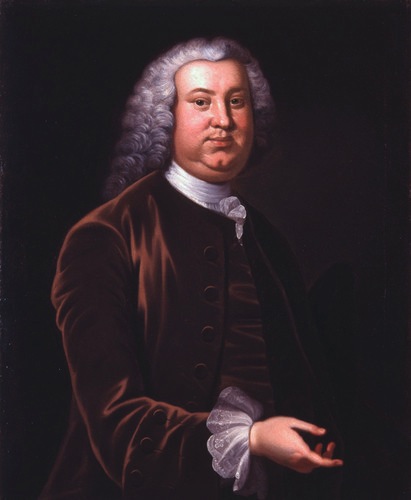
In 1775, the Second Continental Congress was called into session within weeks after the Battle of Lexington and Concord. Randolph was again elected president by a unanimous vote. Again, his time as president of Congress was cut short due to his competing demands as Virginia Speaker. His health also continued to deteriorate and was exacerbated by frequent travel between Virginia and Philadelphia.
During his 14-day tenure as president of the Second Continental Congress, Randolph oversaw the colonies’ early wartime deliberations and authorized financial support for New England militias. Despite the growing calls for independence and confrontation, he believed military units should be called on only as a defensive force to safeguard colonial interests.
An Ex-President as Delegate
After resigning as president of Congress that spring, Randolph still served as a Virginia delegate and returned to Philadelphia in September 1775 despite his failing health. On Oct. 22, while dining with Thomas Jefferson, Randolph suffered a fit of apoplexy and died five hours later.
The entire Congress attended his funeral two days after his passing. Afterward, John Adams credited Randolph’s great prudence and temperament for helping the colonies to unify and bridge their differences. To honor their colleague, Congress named one of the first naval frigates commissioned in October 1776 the USS Randolph.
What arts and culture topics would you like us to cover? Please email ideas or feedback to features@epochtimes.nyc