
New York City’s pied-à-terre tax can move forward after an appellate court ruling in Brooklyn on Thursday temporarily placed a hold on a Staten Island judge’s order that had blocked the plan earlier this week.
The new tax applies to properties when their owners maintain a separate primary residence for homes valued at $5 million or more, and condominiums and co-ops valued at $1 million or more. Properties that are the primary residence of the property owner, a tenant, or a subtenant are not subject to the tax.
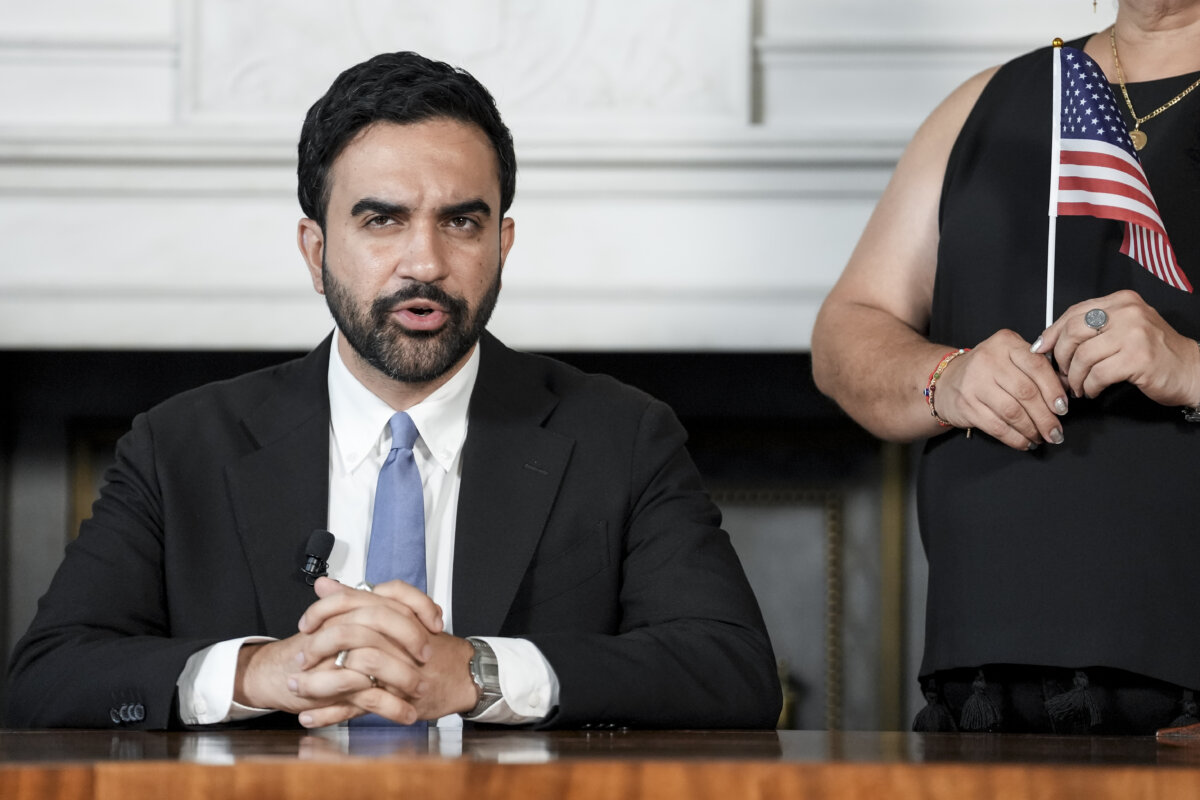
It represents a key victory for Mayor Zohran Mamdani, who has championed the tax from the start.
The ruling means a rollout that started earlier this summer can continue, including notices, lists, and deadlines.
The case stems from a lawsuit filed by a group of homeowners who argued the city had handled the tax implementation process poorly. The Staten Island judge agreed enough to issue the block, which the city appealed, resulting in Thursday’s decision.
The legal fight, however, is far from finished. Thursday’s ruling only temporarily lifts the block. The parties will be back in court, with an Aug. 31 hearing already on the calendar before this appeals decision landed.
City lawyers moved fast after the Staten Island order came down, filing an appeal almost immediately. That filing itself created confusion over whether the restraining order stayed in force, which the Brooklyn panel has now clarified.
The challenge focused on how the city identified properties and notified owners, which homeowners said led to widespread confusion.
The tax targets certain second homes, such as non-primary residences that sit empty much of the year. The measure appears intended to deter people from holding onto those properties, so more units might become available for full-time residents.
Mamdani framed the tax early on as a way to make sure owners of high-value second homes contribute more–an effort that remains on track at least for the next few weeks.
Homeowners who received notices earlier this summer will likely see the process resume. The city had published a large list of properties that might fall under the surcharge. It had also mailed letters to a smaller group of owners it believed were subject to the tax. The city has set a Sept. 18 exemption deadline.
Nothing in Thursday’s order settles the bigger questions about how the tax will ultimately be applied or who ends up footing the bill.
The appellate court in Brooklyn did not issue a lengthy opinion, choosing instead to confirm the city could proceed while the appeal is pending.
The Aug. 31 hearing will give both sides a chance to make their case on the merits of the temporary relief.
Reuters contributed to this report.
 Friends Read Free
Copy
Facebook
Tweet
Friends Read Free
Copy
Facebook
Tweet