
Fresenius Kabi, a pharmaceutical company based in Illinois, has initiated a nationwide recall of one lot of an arthritis injection medication due to the presence of glass particles.
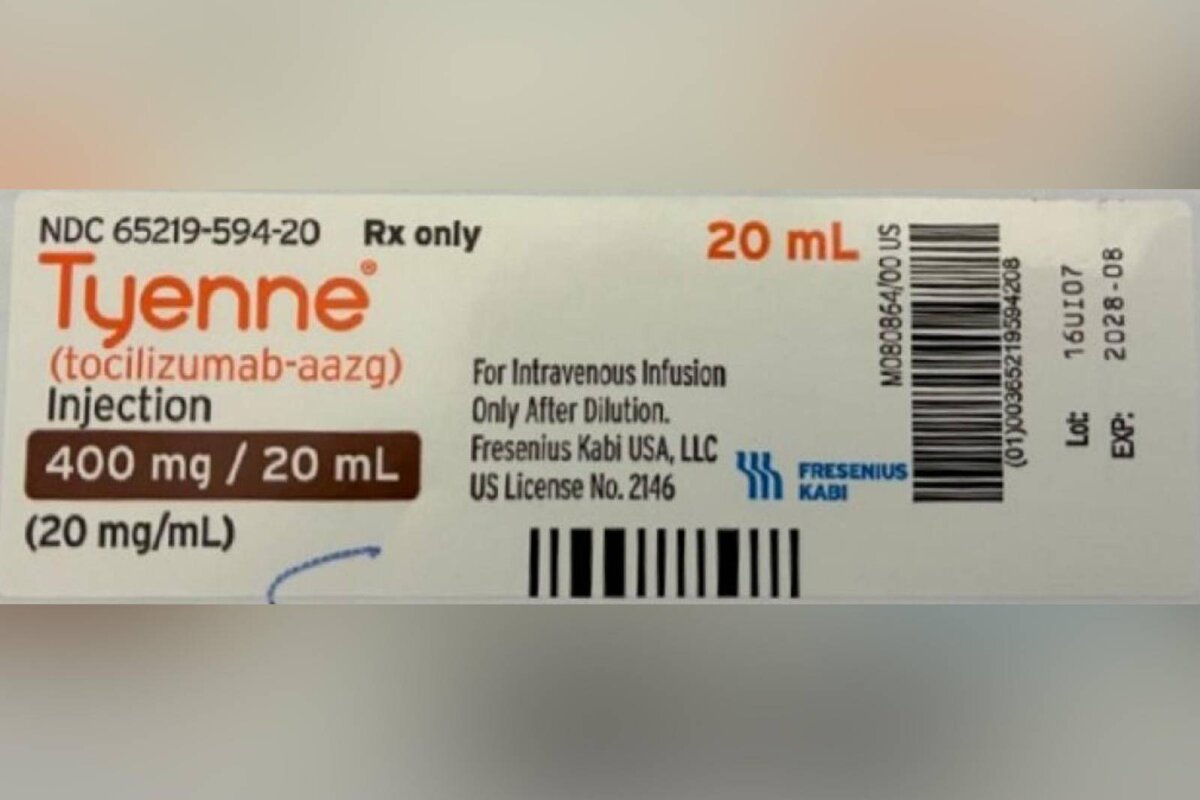
The recall applies to Tyenne (tocilizumab-aazg) Injection 400 mg/20 mL (20 mg/mL) 20 mL vials, the company said in an announcement published by the Food and Drug Administration on Aug. 11.
The item can be identified by lot number 16UI07 and the National Drug Code 65219-594-20 printed on the label. The injections, shipped between March 3 and 25, have an expiration date of August 2028. The medications were sold to wholesalers, distributors, and customers across the United States.
An internal investigation had found the product contained glass particles, which “may cause local irritation, pain, or swelling at the infusion site, as well as inflammation of the veins,” according to the announcement.
“More seriously, glass particles can cause blockage and clotting in blood vessels, which can cut off blood flow to vital organs, lead to a life-threatening blood clot in the lungs (pulmonary embolism) and cause permanent organ damage or death,” the company warned.
Tyenne is used for treating people suffering from multiple types of arthritis. In some cases, the injection is also used on hospitalized adult patients with COVID-19.
According to the announcement, Fresenius Kabi is currently notifying customers and distributors through letters and is arranging for the recalled products to be returned.
Fresenius Kabi asked health care facilities to immediately discontinue the distribution and use of the affected Tyenne lots. Distributors have been instructed to notify customers immediately about the recall.
The company advised people who experience any problems linked to the use of the recalled injections to get in touch with their physician. Fresenius Kabi is an operating company of the Fresenius Group headquartered in Germany.
The Epoch Times reached out to Fresenius Kabi for comment but did not receive a response by publication time.
Glass particles can appear in a medicine vial due to mechanical and chemical causes, according to a Dec. 14 post by pharmaceutical company Inglasia.
One of the mechanical causes is glass-to-glass contact, in which vials slide against each other, causing friction damage. Another reason could be defects during the manufacturing phase of the glass vials.
A chemical reason for glass particle contamination in the medication vial is delamination, in which the inner glass surface flakes off due to the drug’s chemical interaction with the container, the post said.
This can happen if the drug is highly alkaline. Another situation would be processing or storing vials at elevated temperatures, which speeds up the chemical interaction and subsequent degradation of the vials.
 Friends Read Free
Copy
Facebook
Tweet
Friends Read Free
Copy
Facebook
Tweet