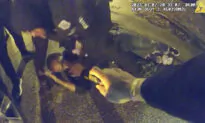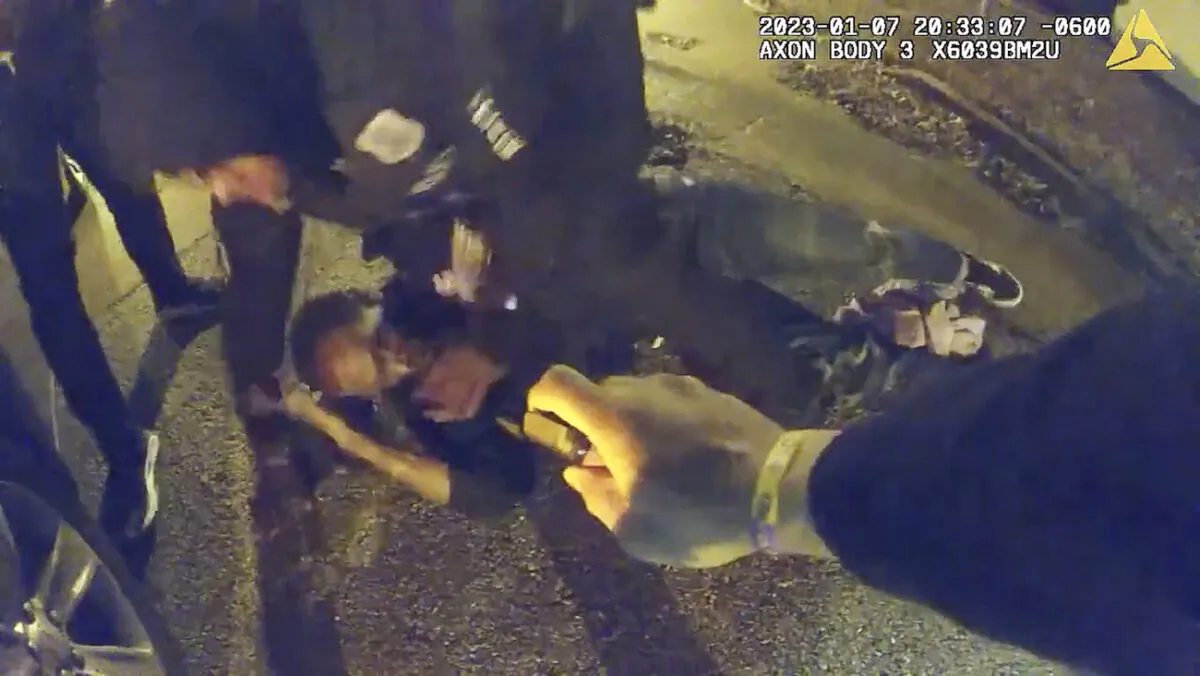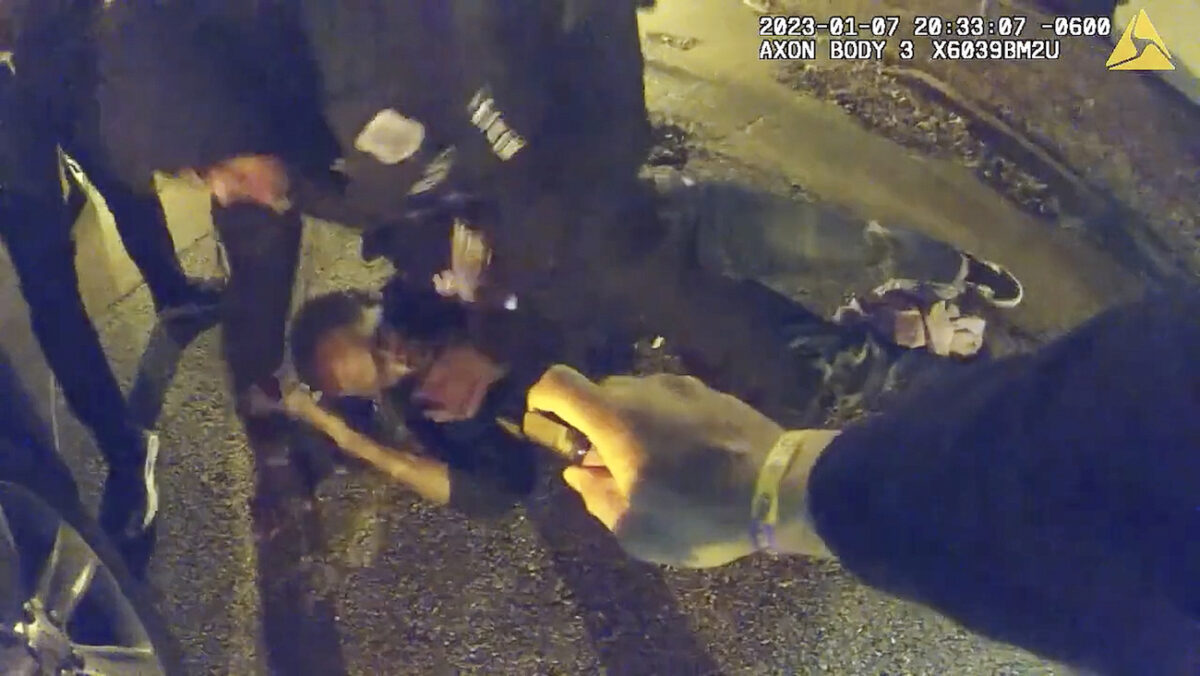

The Jan. 27 release of the videos of the brutal beating of Tyre Nichols 20 days earlier at the hands of five Memphis police officers has been met with strident and emotional condemnation from politicians across the ideological spectrum.
It may also result in the renewal of bipartisan conversations in Congress to address the issue of police overstep and misdeeds.
Savage Beating, Arrests, and Indictments
Tyre Nichols, 29, a FedEx worker and the father of a 4-year-old son, was pulled over at 8:30 p.m. on Jan. 7 for alleged reckless driving. When police approached the vehicle, Nichols attempted to run but was apprehended and subjected to what has been almost universally regarded as a savage beating.
Nichols died three days after the assault.
Nichols was black, as are the five police officers.
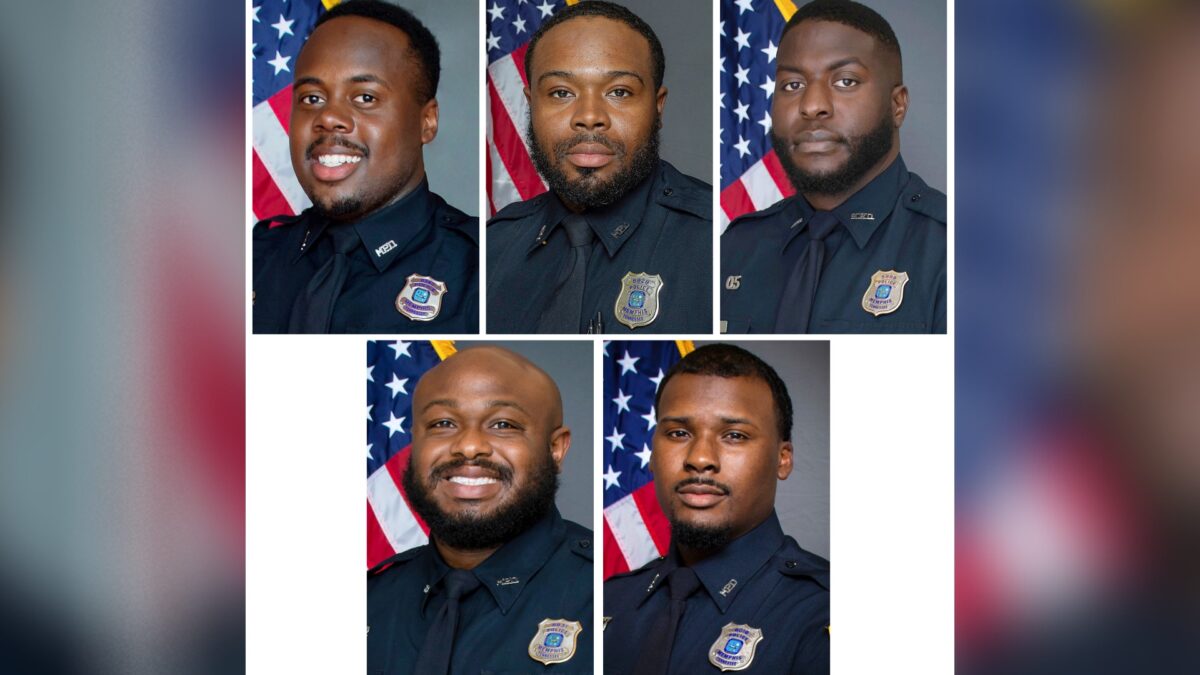
On Jan. 26, a grand jury indicted the five officers—Tadarrius Bean, Demetrius Haley, Emmitt Martin III, Desmond Mills Jr., and Justin Smith—who were charged with second-degree murder and kidnapping, as well as official misconduct and official oppression.
Second-degree murder is punishable by 15 to 60 years in prison.
The officers had been fired the previous week.
Addressing the media after the grand jury indictment, Steven. J. Mulroy, the district attorney for Memphis, said, “While each of the five individuals played a different role in the incident in question, the actions of all of them resulted in the death of Tyre Nichols, and they are all responsible.”
Each of the officers posted bail of between $250,000 and $350,000, and they aren’t in custody.
Perhaps a Chance for a Renewal of Negotiations on Police Reform
Nichols’s death may inspire Democrats and Republicans in Congress to return to the negotiating table in a quest to achieve bipartisan police reform.
For months in 2021, Democrats and Republicans engaged in discussions aimed at passing police reform legislation on which both sides could agree. Those talks fell apart in September 2021.
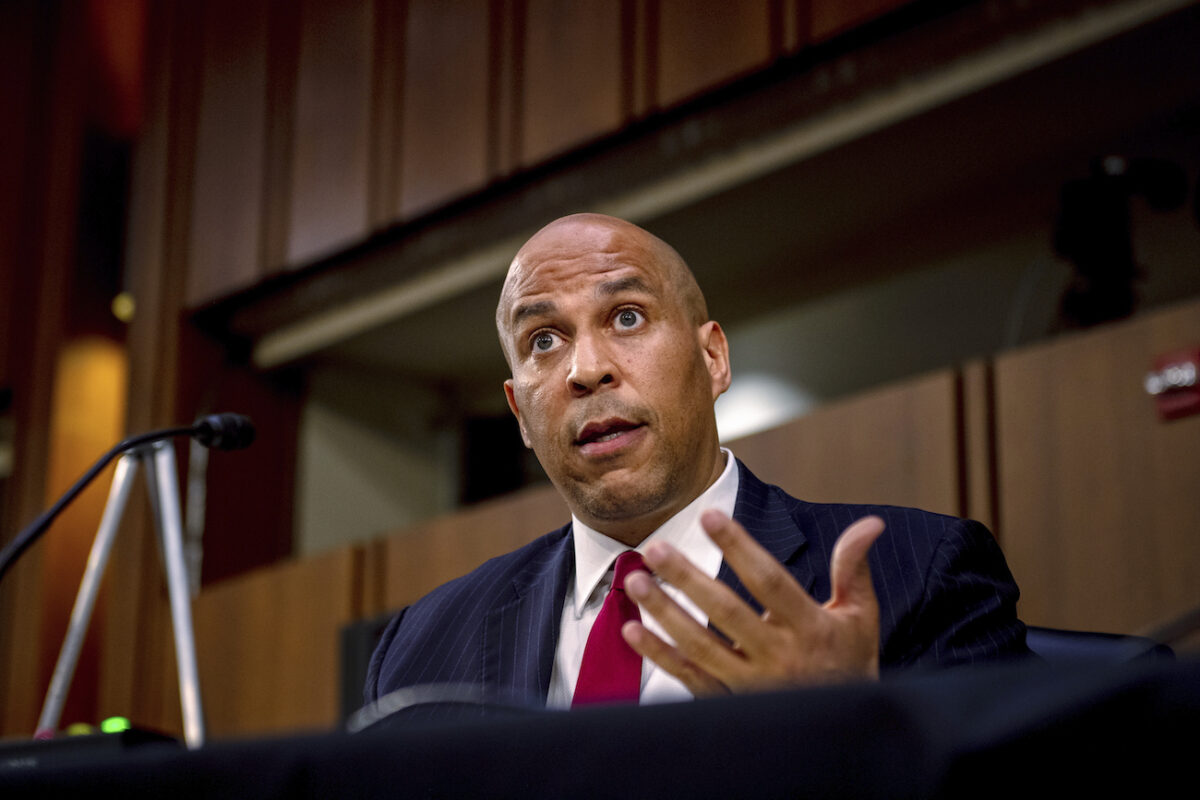
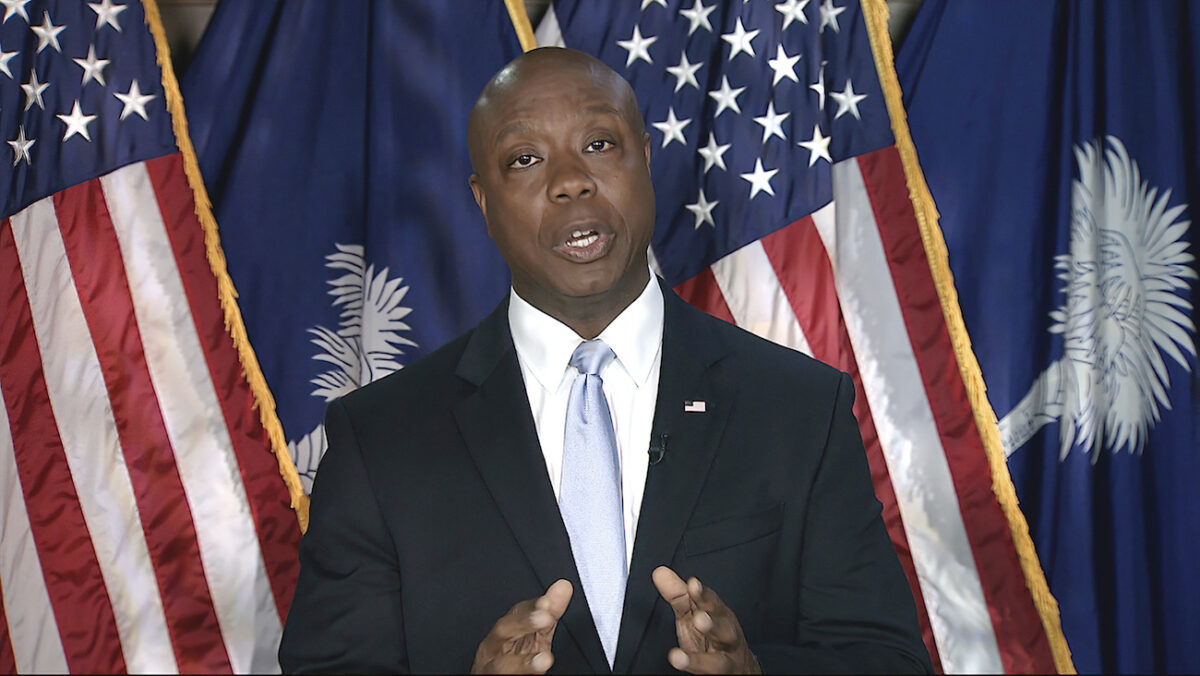
Directing the police reform efforts were Sens. Cory Booker (D-N.J.) and Tim Scott (R-S.C.), and then-Rep. Karen Bass (D-Calif.).
A key obstacle in the two sides reaching an agreement was the matter of qualified immunity for police officers.
Created by the U.S. Supreme Court in 1967, qualified immunity is a legal principle that shields government actors from liability for misconduct in civil suits, even when that action is illegal.
Democrats wanted qualified immunity gone, and Republicans wanted qualified immunity to remain.
Booker and Scott put out statements on the death of Nichols.
In a press release issued concerning Nichols’s death, Booker, citing his intent to focus on getting police reform legislation accomplished, said: “Although Senate action on policing reform has proven difficult, from the George Floyd Justice in Policing Act to more targeted reforms, I will never stop working to build a broad coalition to enact the changes that will make our nation safer, stronger, and more just.
“In the coming days as this new Congress is beginning, I will be renewing my legislative efforts to advance the reform we need and that Americans are demanding.”
Scott also responded to the death of Nichols.
“We have been here too many times before. We cannot continue down this path,” Scott said in a statement. “America cannot stand silent. This was a man beaten by the power of the state. We must unite against this blatant disregard for human life especially from those we trust with immense power and responsibility.”
Continued Fallout
In response to the Nichols incident, Memphis police have disbanded the department’s SCORPION Unit—an acronym for Street Crimes Operations to Restore Peace in Our Neighborhoods—which was the squad in which the five officers worked.
A sixth Memphis police officer has been suspended, although this action, as detailed in the department’s policies, doesn’t necessarily mean the officer has done wrong and may be part of an investigation to “prove or disprove an allegation.”
Two members of the Memphis Fire Department, who were on the scene to give aid to Nichols, have been suspended.
Two deputies from the Shelby County, Tennessee, sheriff’s department, who arrived after the beating, have also been pulled from duty.
“As this investigation and other external investigations continue, I promise full and complete cooperation from the Memphis Police Department with the Department of Justice, the FBI, the Tennessee Bureau of Investigation, and the Shelby County District Attorney’s office to determine the entire scope of facts that contribute to Tyre Nichols’s death,” Memphis Police Chief Cerelyn Davis said in a video statement.
 Friends Read Free
Copy
Facebook
Tweet
Friends Read Free
Copy
Facebook
Tweet