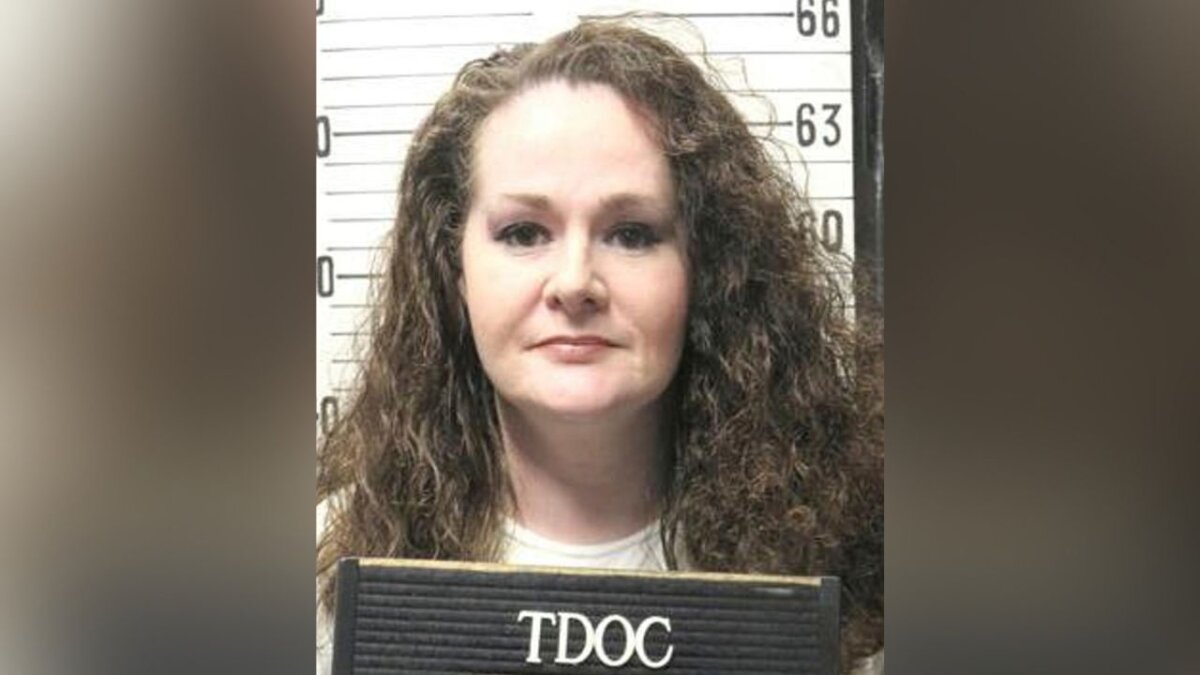

Death row inmate Christa Pike is awake and talking after surviving two botched lethal injections, her attorneys said Oct. 6.
The statement was the first public confirmation that the death row inmate has improved since she was taken away in an ambulance from a Nashville prison Sept. 30.
“Despite the severe damage she endured to her arms, she is still handcuffed and shackled to the bed,” her attorneys said, calling her recovery “medically unprecedented.”
Prison officials at the Riverbend Maximum Security Institution gave her two doses of pentobarbital after the U.S. Supreme Court lifted a temporary stay of her execution for the 1995 murder of classmate Colleen Slemmer.
The injections didn’t kill her but burned and blistered Pike’s arms, her lawyers said, and she was taken to Vanderbilt University Medical Center hospital where she has received constant care.
“We are incredibly grateful to the first responders and the medical team at the hospital who treated Christa like a human and have provided exceptional care to her,” her attorneys said. “We also want to thank thousands from all over the world who sent messages offering prayers and support for Christa.”
Tennessee Gov. Bill Lee halted executions at the prison pending a review of procedures and protocols following Pike’s incident.
Her lawyers are asking the governor to commute her death sentence to life imprisonment without the possibility of parole.
“Christa’s life has been extraordinarily difficult,” her lawyers said. “She is the only person known to have survived a complete execution attempt in the U.S. Christa is a survivor and will take recovery one day at a time.”
The Tennessee attorney general and the governor’s office didn’t return requests for comment.
Pike’s case was the second botched execution at the Riverbend Maximum Security Institution, according to the Death Penalty Information Center, a national nonprofit that publishes information about capital punishment.
In May, an attempt to execute inmate Tony Carruthers failed after prison nurses couldn’t establish an intravenous line, prompting the governor to grant a one-year reprieve.
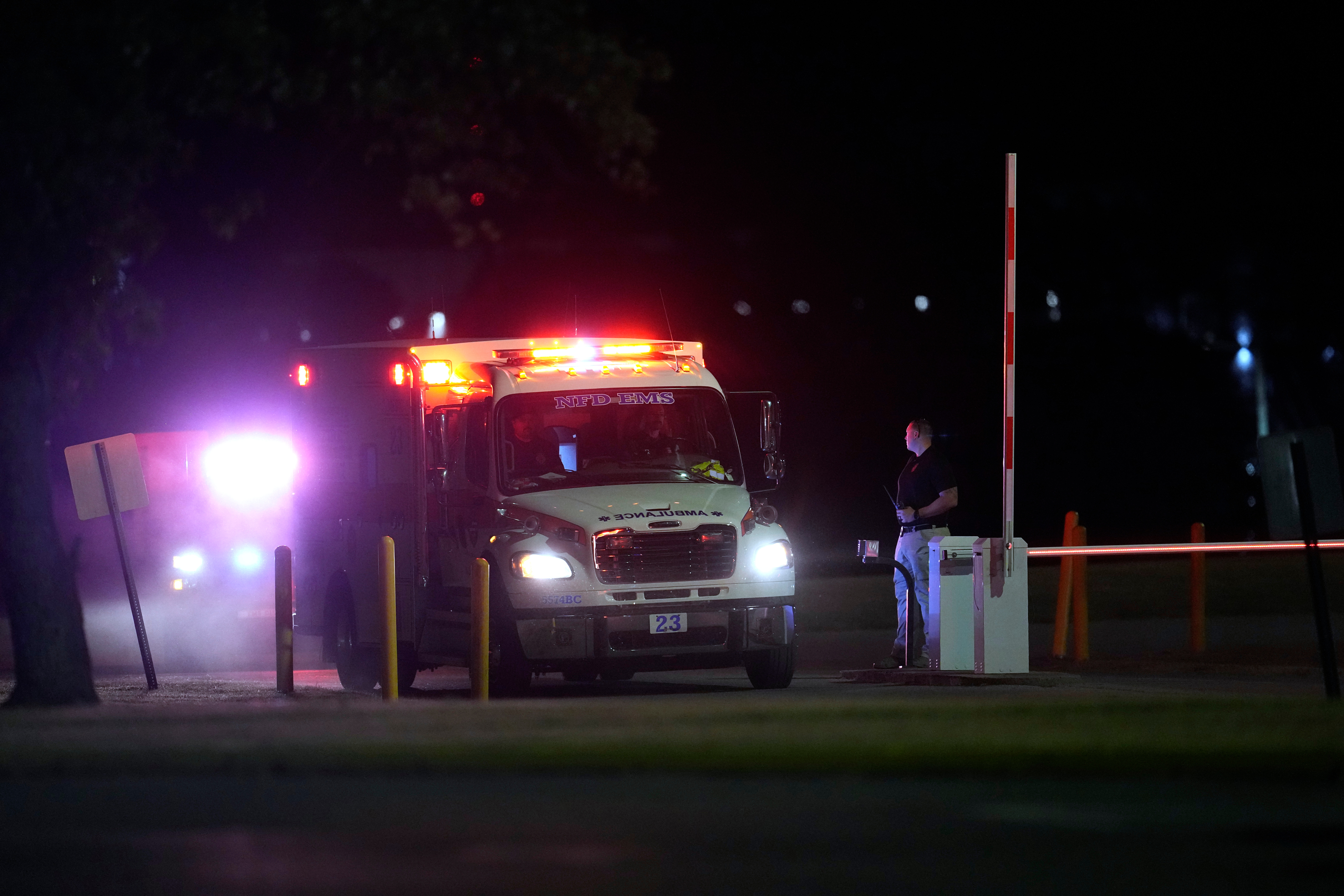 Emergency vehicles arrive at Riverbend Maximum Security Institution after the execution of Christa Pike was halted in Nashville on Sept. 30, 2026. (George Walker IV/AP Photo)
The state requires the placement of two separate intravenous catheters in the prisoner. The pentobarbital is injected into one of the catheters.
The chemical is meant to circulate in the blood stream and cause death. If the first injection fails to do so, a second and equal quantity of the medication is injected into the other catheter, and that is expected to cause death, Zivot said in a social media video.
In Pike’s case, both of those things were done and both failed, he said.
“And in this case, I think the reason why it failed is, it seems likely that the veins themselves that had the venous catheters in them, that those veins fell apart,” Zivot said. “It should never fail. It should be 100 percent perfect and it’s actually failing more and more.”
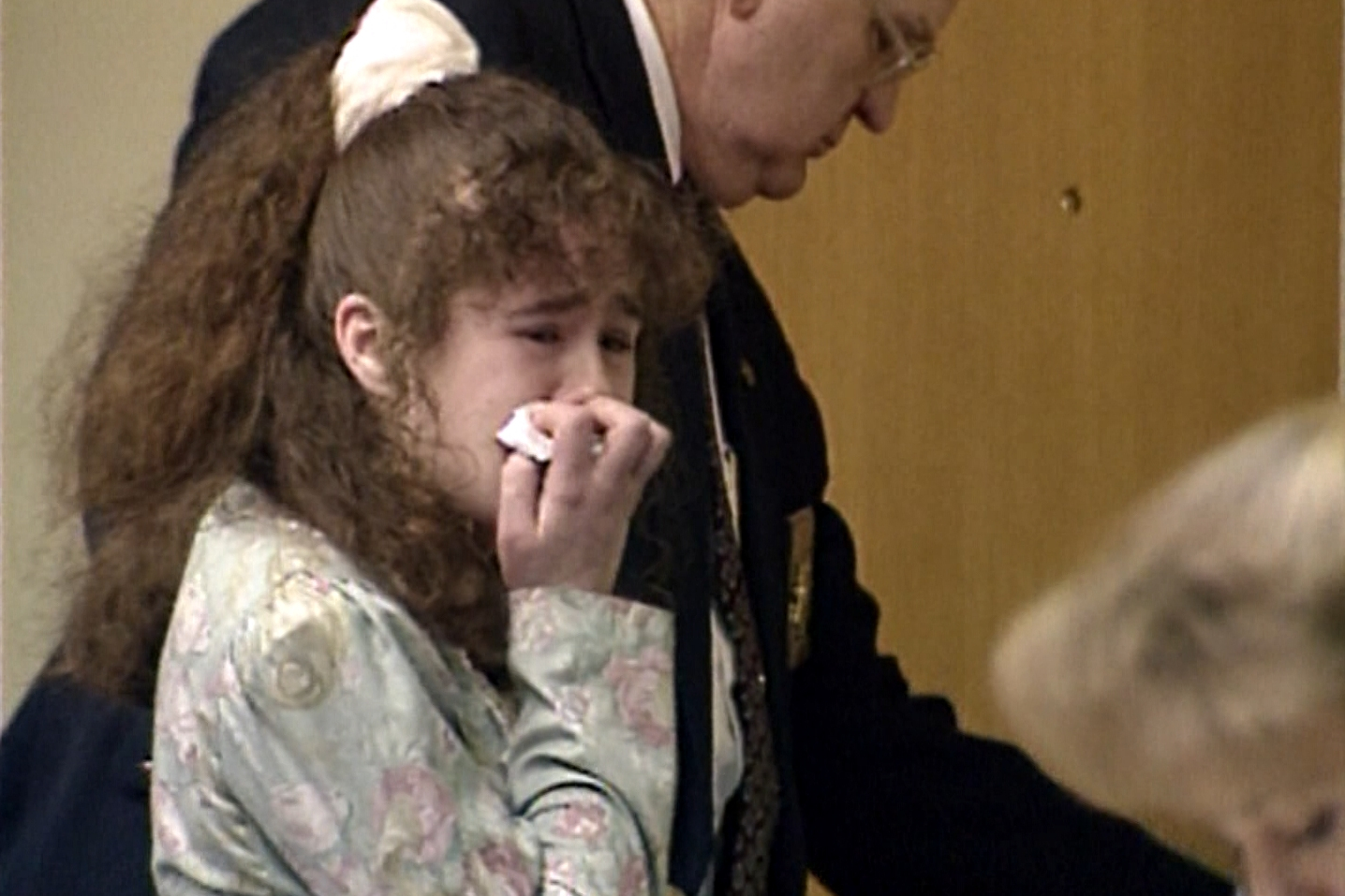 Christa Pike cries after being sentenced to death in Knoxville, Tenn., on March 30, 1996, in an image from video. (WBIR-TV via AP)
Her attorneys are scheduled to be in court Wednesday in Davidson County for an emergency motion filed after the failed execution attempts. The lawyers are asking the court to preserve evidence connected to the execution attempt—such as the needles, IV equipment, and medications—while additional legal action is considered.
Pike is being represented by lawyers Randy Spivey and Kelly Gleason from the Tennessee Office of the Post Conviction Defender, and Stephen Ferrell and Luke Ihnen from Federal Defender Services of Eastern Tennessee.
 Friends Read Free
Copy
Facebook
Tweet
Friends Read Free
Copy
Facebook
Tweet