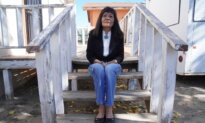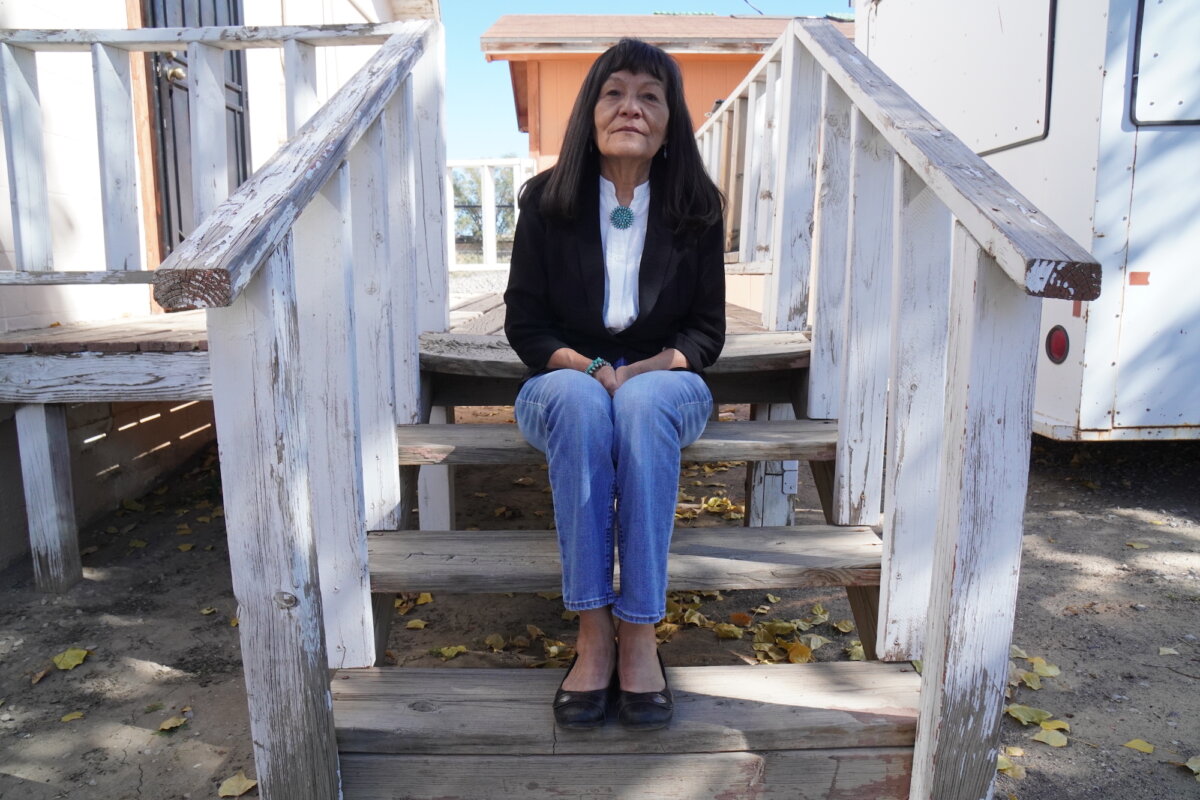
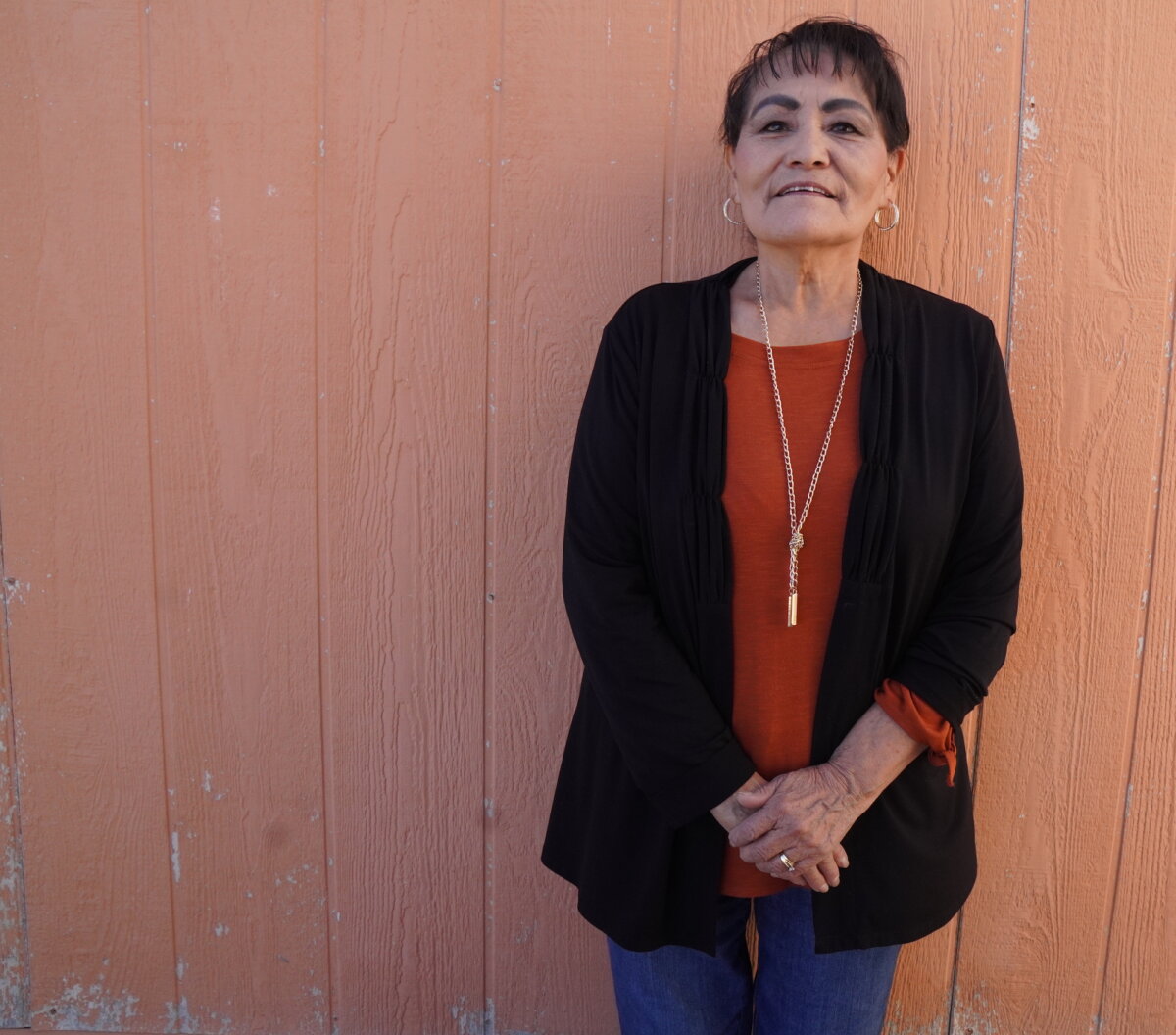
GALLUP, N.M.—Maggie Billiman’s life had always been about her family, the foundation of everything that made sense in her world.
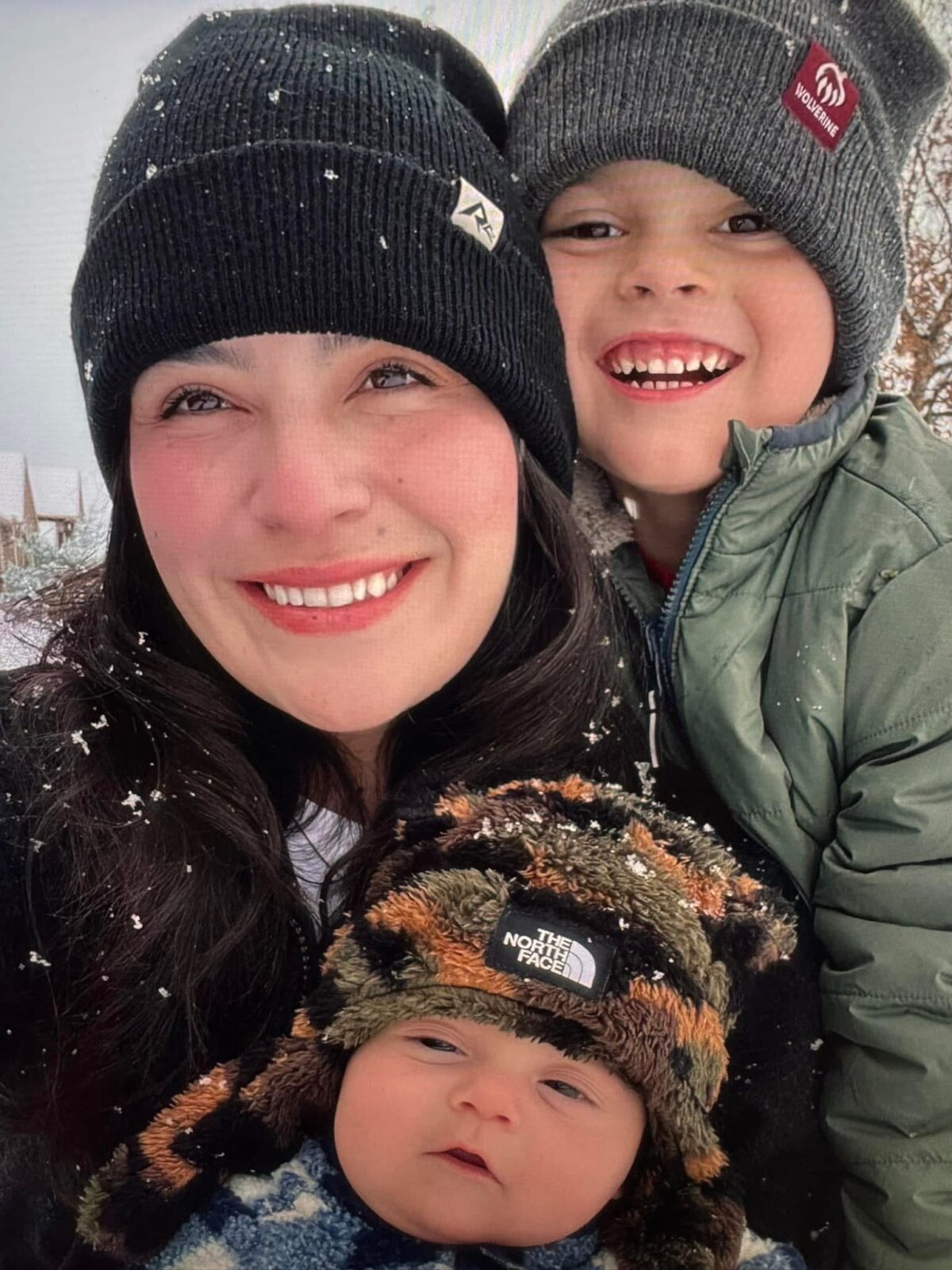
That world shattered on Jan. 16, when her only daughter, 29-year-old Kelsie Gregory, and her two grandsons, 5-year-old Matthew and 3-month-old Calen, died suddenly in Pilot Point, Texas.
The cause of death was carbon monoxide poisoning.
“It’s not fair—it’s not fair at all,” Billiman, 64, said through tears of grief.
“It’s really hard for me, day to day, you know? That was my only daughter and my two grandkids.”
In the quiet company of her sorrow, she speaks to them. The emptiness they leave behind presses in.
Only days before, Billiman received the news that her 32-year-old nephew had died after a long struggle with personal hardships, just months after losing her niece.
She described this year as one filled with loss, confiding, “It’s hard to be Maggie right now.”
After Kelsie died, Billiman and her daughter’s stepfather, John Boomer, discussed planning a traditional burial when the time was right.
But Billiman said it would have cost thousands of dollars just to move Kelsie’s body to another state—money that she didn’t have.
“If I could have afforded it, I would have done that,” Billiman told The Epoch Times.
At first, she thought about bringing Kelsie home to New Mexico in Boomer’s van instead of a hearse, hoping to save as much money as possible.
“That’s how one of my friends did it for his sister,” Billiman said. “They froze her in a body bag, and then just put ice underneath her.”
Luckily, a close relative in Texas offered to help pay for Kelsie’s funeral, which changed everything.
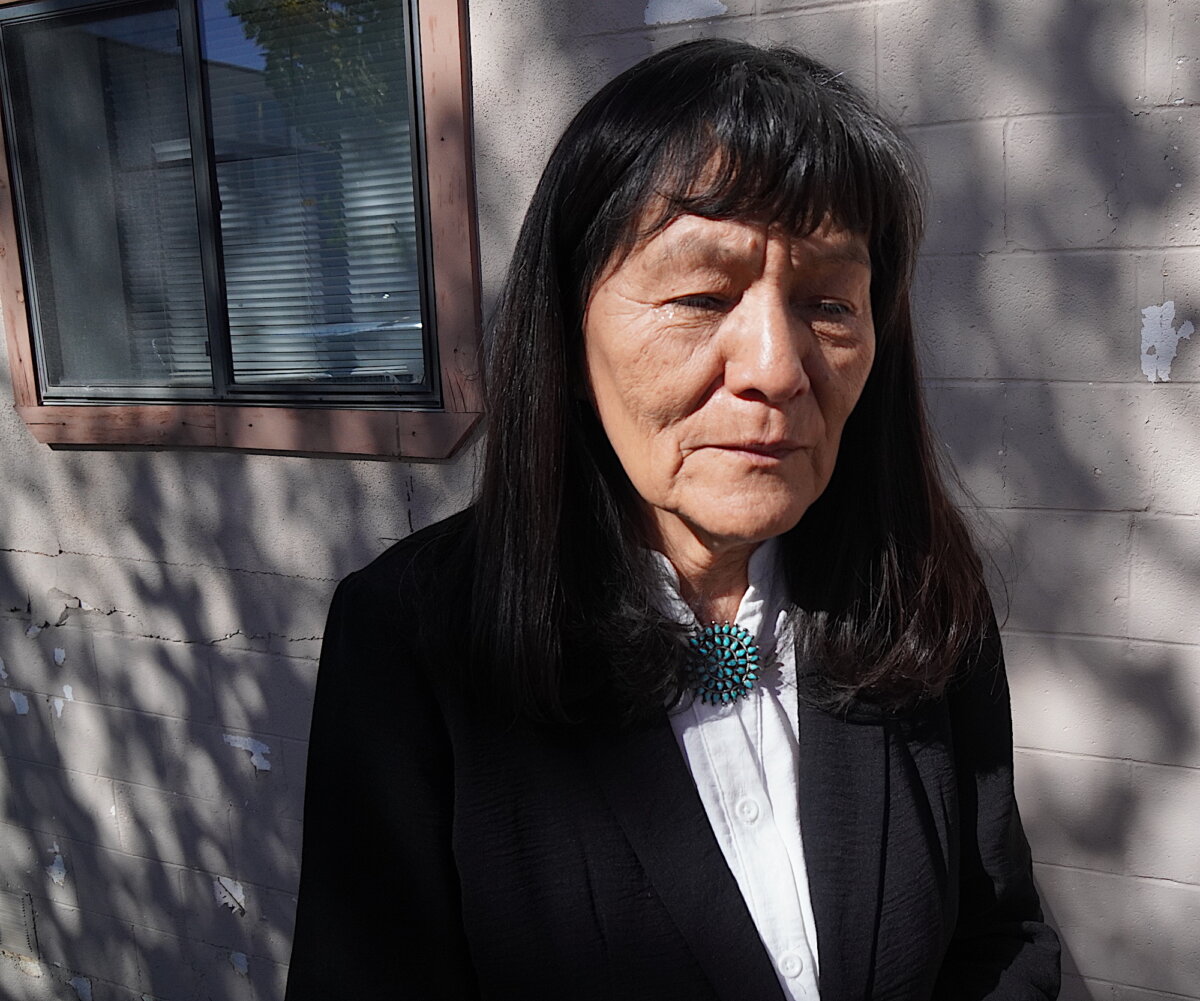
But there were other pressures, Billiman said.
Other family members believed in honoring Navajo tradition by wrapping Kelsie in a ceremonial blanket and burying her on native soil after four days.
Despite the pull of heritage, Billiman chose the more-affordable cremation option in Texas.
A Way of Death
A recent study by the National Funeral Directors Association (NFDA) found that the typical cost of a funeral with a casket and burial has increased by 5.8 percent over the past two years, rising from $7,848 to $8,300.
The typical cost of a funeral with cremation, which includes a different type of cremation casket and an urn, has increased by 8.1 percent over the same period, from $5,810 to $6,280.
Direct cremation, without a funeral service, usually costs about $1,500.
In its 2025 Cremation and Burial Report, the association said nearly two-thirds (about 63 percent) of people will choose cremation over burial this year.
That number is expected to rise to more than 80 percent by 2045, foreshadowing a major change in how death is handled in the United States.
The NFDA said funeral homes are important businesses that help communities in both ways people can see and ways they cannot.
There are more than 15,401 funeral homes in the United States. Most are privately owned, and together they employ about 105,300 people.
Funeral homes generate $16.3 billion in the United States, while crematories and cemeteries generate nearly $4.3 billion in revenue, according to the organization.
“Funeral homes offer a wide variety of options to meet the needs and wishes. The primary role of funeral directors remains helping families understand the many options available to help them honor the life of a loved one in a meaningful way,” Deana Gillespie, NFDA’s research manager, said in a statement.
“Every funeral home offers unique services and pricing. Families should look for a funeral home that has a strong reputation with licensed funeral directors who understand their emotional needs and will be sensitive to their budget.”
For many grieving families, price is a deciding factor.
The report found that nearly 62 percent of respondents expressed interest in “green” funeral options because of their potential eco-friendly benefits and cost savings.
Difficult Decisions
Across most states, families are choosing to handle their own funeral arrangements to save money—even if it means transporting their loved one in a personal vehicle.
But bringing a loved one home is not easy, as Billiman and other Navajo Nation members found out.
Sometimes, it involves a long journey from a faraway hospital where they said their final goodbye. There are rules to follow, forms to fill out, permits to obtain, and health guidelines to meet.
Billiman said finding the most affordable option for her daughter was not about convenience, but necessity.
“Cremation is a lot cheaper in Texas. It was like $1,000. If we had to pay to bring her back, it was more like $5,000 or $6,000,” she said.
“We couldn’t do that. We don’t have the money to do that.”
A 2023 survey from Choice Mutual, an independent insurance agency, found that inflation had a direct impact on funeral choices in the United States.
A Bankrate survey found that 11 percent of U.S. adults expected their finances to get much worse in 2023.
As in previous years, Choice Mutual surveys found that many Americans are choosing cremation (about 37 percent), continuing a shift away from traditional burial over the past several decades.
Since 2020, 7 percent more Americans have chosen natural burial, bringing the share to 11 percent.
“This increase is likely due to greater awareness of sustainable burial alternatives and their increased availability nationwide,” according to Choice Mutual.
The company also found a 4 percent increase in people choosing to donate their remains to science.
Their survey reports noted that more people are interested in direct burial, which means burying someone soon after death without chemicals or viewing.
On average, Choice Mutual found that direct burials cost $2,597, excluding casket costs, while direct cremation costs $2,395.
The National Care Planning Council reported that the cost of transporting a loved one from the place where the person died to a funeral home can quickly add up.
The farther the journey, the steeper the bill, with removal fees typically ranging from $125 to $500 and rising with distance.
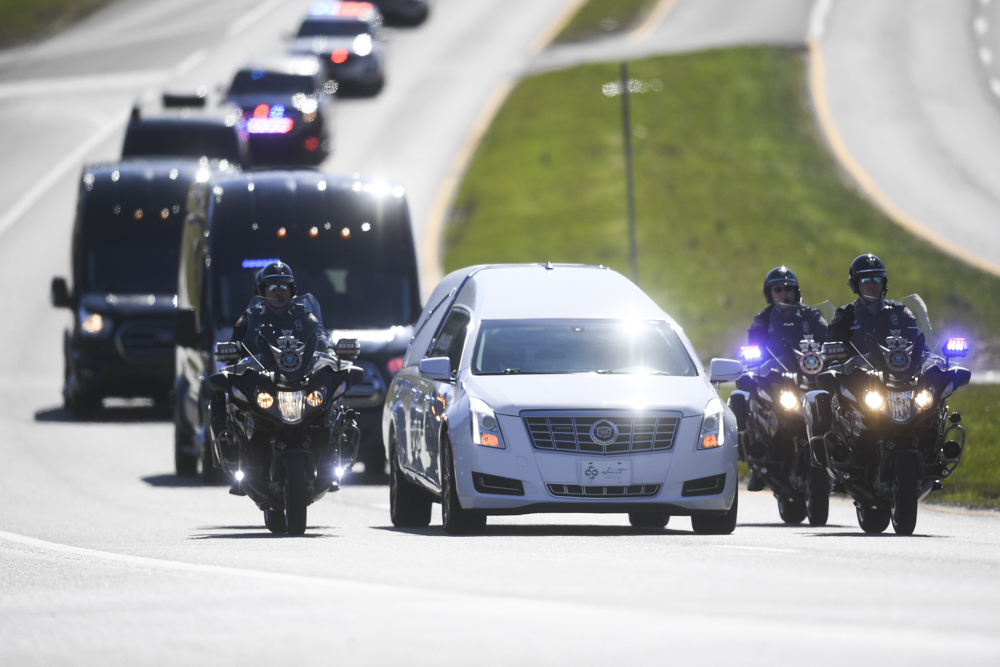
Some families choose to transport a loved one by land or air instead of arranging burial or cremation at the place of death, as noted by Smart Cremation.
The cost to fly a loved one’s body within the country is usually between $1,500 and $5,000.
Sending a body to another country can range from $4,000 to $15,000 or more, which makes it difficult for some families to afford to do that.
Help Is Available
Mauricio Moreno, director of operations at Rollie Mortuary in Gallup, New Mexico, serves the local Navajo community and said he tries to provide affordable burial options.
“We have tried to create packages that can be accommodating to the families and their needs, because, yes, we do know the family can struggle, especially if they’re low income,” Moreno told The Epoch Times.
“We do try to help them as much as we can.”
Offering discounts on services and products reduces the cost of purchasing a casket and arranging transportation for the deceased.
The Burial Assistance Program from the Navajo Division for Children and Family Services helps Navajo Nation members who need money to cover sudden, high funeral costs for their loved ones.
The program aims to lift the weight of funeral costs, allowing families to honor their loved ones with dignity and peace of mind.
New Mexico allows the private transport of human remains under specific rules, and Moreno said his mortuary ensures that families are aware of this option “so that they can save money on transportation.”
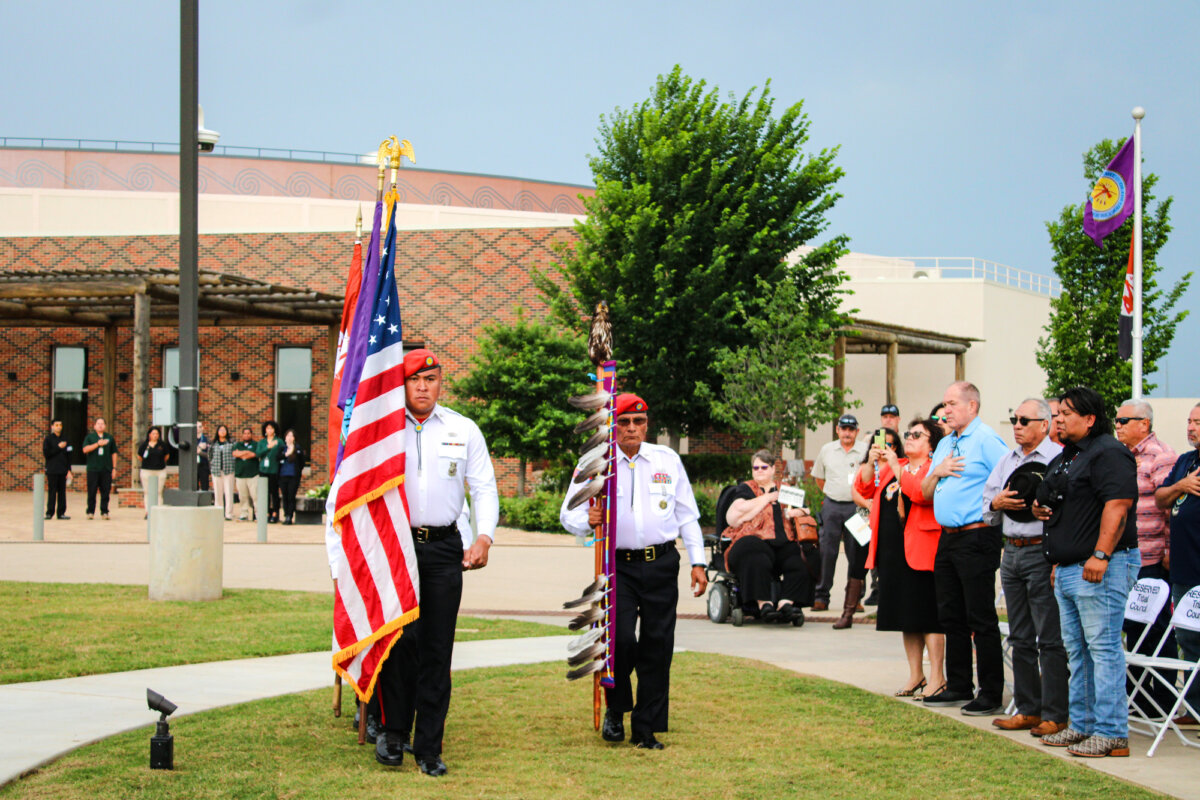
In April, the Navajo Nation’s Resources and Development Committee approved a temporary waiver of burial rules to help grieving families overcome delays from regulatory barriers.
This rule allows the Navajo Land Department’s manager to approve family burials without a designated official, speeding up the process.
“There’s been a backlog, and this action gives families some relief as we work to revise the cemetery regulations,” Casey Allen Johnson, committee vice-chairman and legislation sponsor, said in a statement.
“It’s a compassionate step forward.”
In the statement, Navajo Land Department Manager Byron Bitsoie Sr. said his office receives burial requests daily via phone and email.
Normally, Navajo Nation Burial and Cemetery Regulations require a designated sexton, an official with the authority to approve burials at each cemetery.
If there is no appointed sexton, families cannot legally bury their loved ones, even if burial plots are already in place.
“We’ve helped over 75 families since last September. This waiver is about doing what’s humane and necessary. We want to give families the dignity of a timely burial,” Bitsoie said.
Moreno said his concern as a mortician is that family members may not have the experience or information they need to handle a body.
“Or they don’t have the right equipment,” he said. “And they don’t have the license or the vehicle to be able to bring a body back safely into our location.”
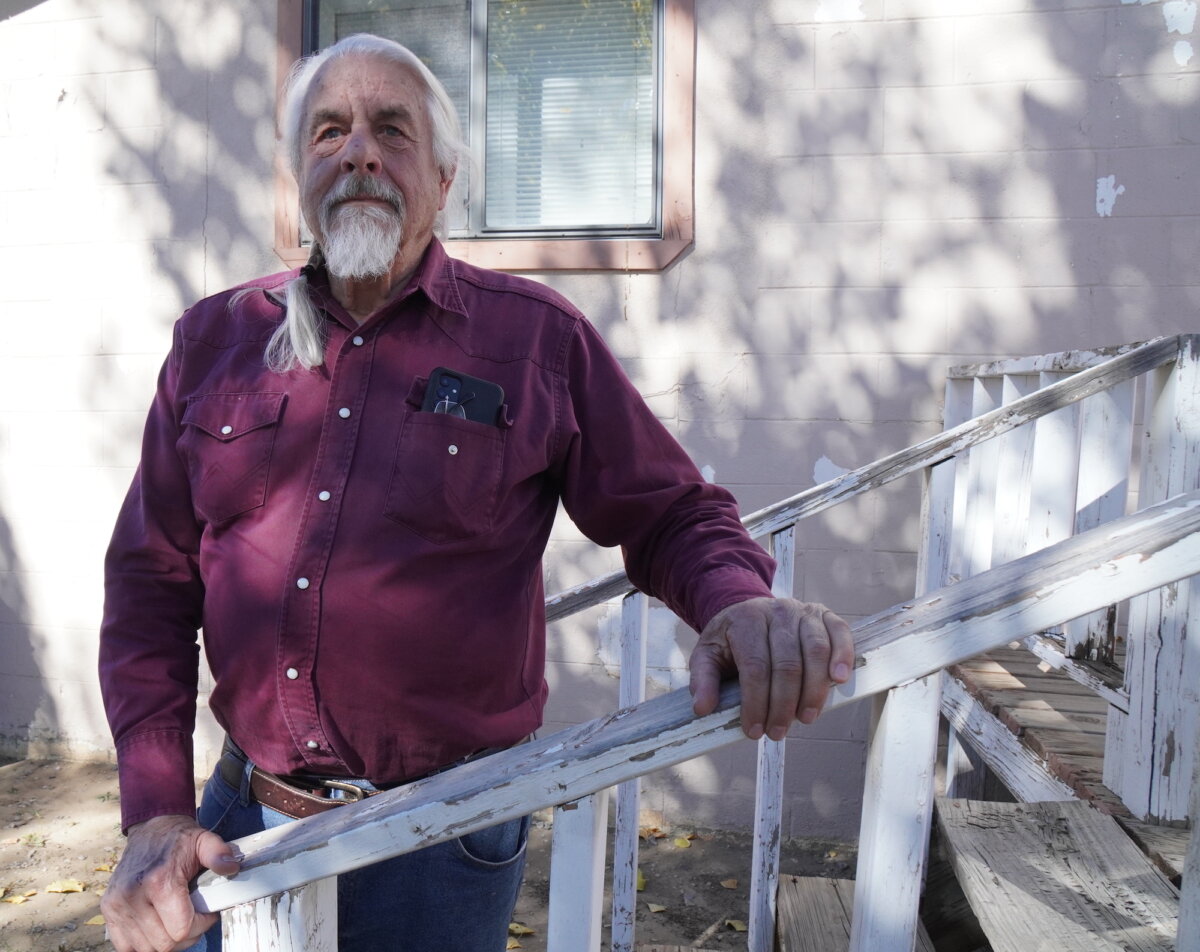
Transmitting bacteria and pathogens from the deceased is a real concern, he said. Decomposition occurs faster in the heat of the Southwest without refrigeration.
“There can be diseases; there can be a lot of stuff going on, a lot of bacteria growing, a lot of pathogens, and those are concerning,” Moreno said.
“We have the right equipment; we’ve been insured; we know what to do in any case, whatever happens.
“This is what we do for a living, what we go to school for, and the skills we perform to serve our communities. We know how to handle any type of situation like this.”
Death and the Law
According to the San Diego Memorial Society, in most states, it is legal for a family to transport the body.
“Even if the family were to rent a van, it might be considerably less expensive than airfare,” the organization stated on its website. “In addition, such a journey may have some very therapeutic value.”
Three states—Alabama, Alaska, and New Jersey—require embalming when crossing state lines. However, exceptions are possible if the family is transporting the body.
There are several reasons why families may choose to move the body themselves, such as saving money, feeling closer to their loved one, and having more say in how things are done.
Lone Star Cremation in Texas, for example, noted that every state has specific guidelines regarding legal corpse transport. So it is imperative that families should get the right paperwork. That means a death certificate, and a permit to move the body obtained from the county office in order to avoid fines.
These papers also allow someone to take their loved one to another city, county, or state.
“It’s important to confirm that all paperwork is correctly filed to avoid any legal obstacles,” Lone Star Cremation stated. “Transporting a body without the proper documentation could lead to fines and complications with the burial or cremation process.”
After the paperwork is finished, the body needs to be prepared, especially if it will travel a long distance.
“Though legal in Texas, self-transporting a body may not be the best option for everyone,” Lone Star Cremation stated. “It requires a level of emotional resilience and practical preparation.
“Distance is a significant factor. Transporting a body long distances requires careful planning, including ensuring the vehicle is adequately equipped and you’re prepared for potential issues.”
Other important things to consider include road conditions, how long has passed since death, fuel, extra gear, and extra costs, such as buying the right container or casket.
Lone Star Cremation said many families choose to use professional services.
“They are well-versed in the complexities of legal dead body transport, ensuring the filing of all necessary paperwork and the handling of the body with dignity and care,” it stated.
Michael Yazzie, 58, a Navajo Nation member from New Mexico, said he has found it less costly to transport family members in his own vehicle when they have died.
“My mom passed away from breast cancer. Then two brothers passed. I got a sister who passed,” Yazzie said.
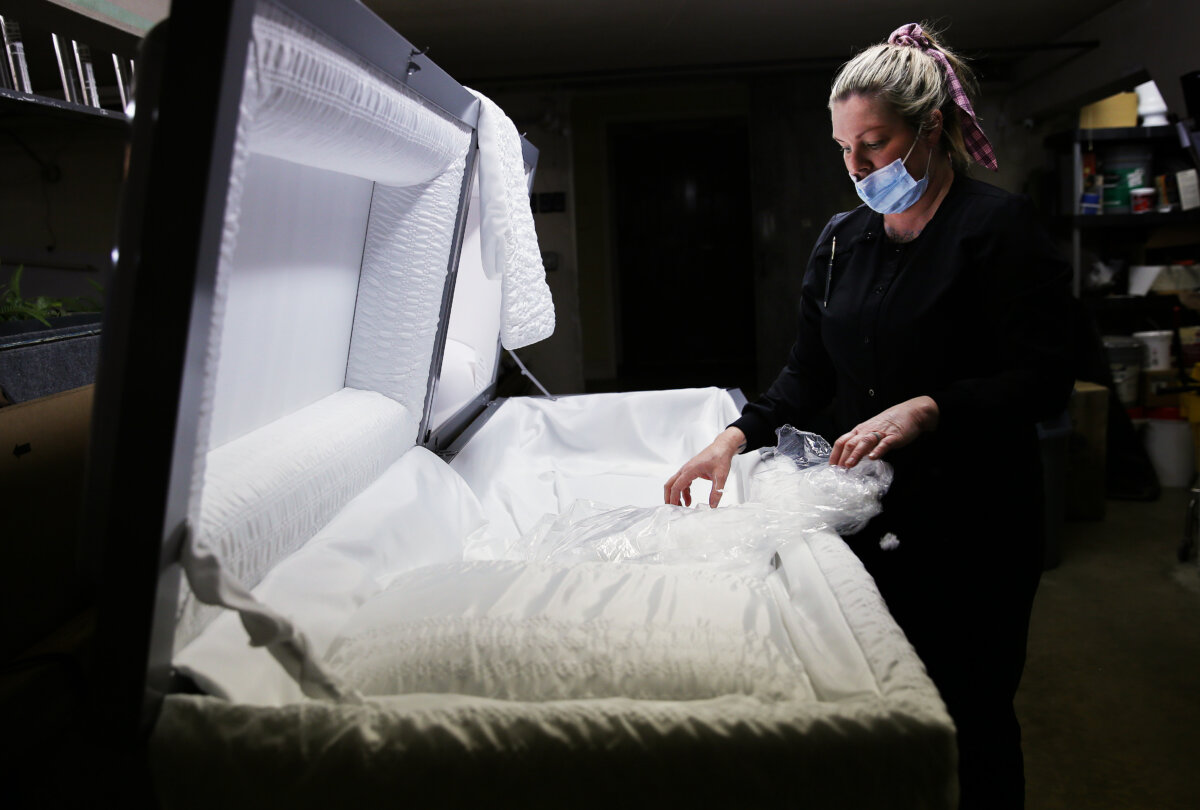
“So mostly, I would just go over there and bring the body back myself [for burial], because it costs a lot.”
Geneva Silversmith, 69, from Albuquerque, New Mexico, lost her mother-in-law to respiratory and heart failure in February.
Devastated, the family decided to take her body from the hospital in Albuquerque to the funeral home in Gallup.
By driving together in their own car, they avoided the $2,000 transportation fee charged by the funeral home, Silversmith said.
“She passed away in the hospital. We had to fill out a release form; we didn’t have the money to bring her back,” she said.
“We had a hard time trying to figure out a way to get her back over here. So they put her in a body bag, packed her in ice, and put her in the back of the Suburban. We got to the morgue, and they were waiting for us.”
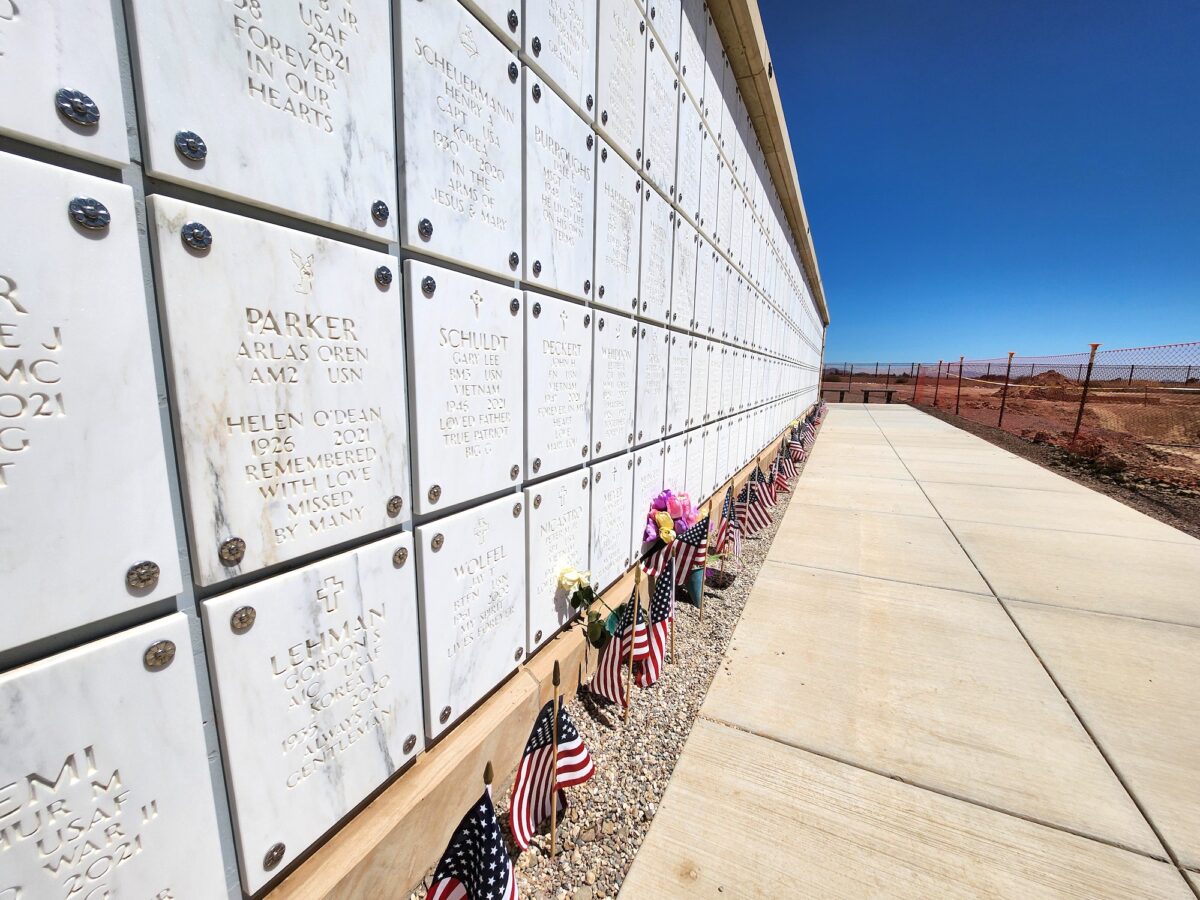
She was buried in Sunset Memorial Park in Gallup, Silversmith told The Epoch Times.
Frankie Wood, 72, a Navajo Nation member from Albuquerque, said he recently buried his daughter, who died unexpectedly, in a city cemetery in Gallup.
While he said he is grateful for the community donations to help defray costs, he said he wishes that the process were less costly.
“Services should be more open to working with people to get costs down or at least, you know, maybe space out payments,” Wood told The Epoch Times.
Now, the retired truck driver and grieving father, said he’s “just staying around the house all the time.”
“I just stay home, do some business—wood hauling. That’s all I have,” Wood said.
“They’re short of money, so they’ll wrap them up with a blanket or sheets,” Daniel Billiman told The Epoch Times.
“The way I grew up, I participated in a lot of traditional ceremonies.” He said he told his kids that when it’s his time to “just dress [him] up in a blanket or something like that—tradition, you know?”
Gone Too Soon
John Boomer, 80, is Kelsie Gregory’s stepdad and a wood sculptor from San Rafael, New Mexico. In the late 1960s and early ’70s, he shared his passion for teaching with students on the Navajo Reservation.
It was there that he met Maggie Billiman and her little daughter, Kelsie, whom he gently guided as she learned to ride a bicycle for the first time.
When Kelsie died, her mother didn’t have the $9,000 it would have cost to transport her body across state lines for burial in New Mexico, Boomer said.
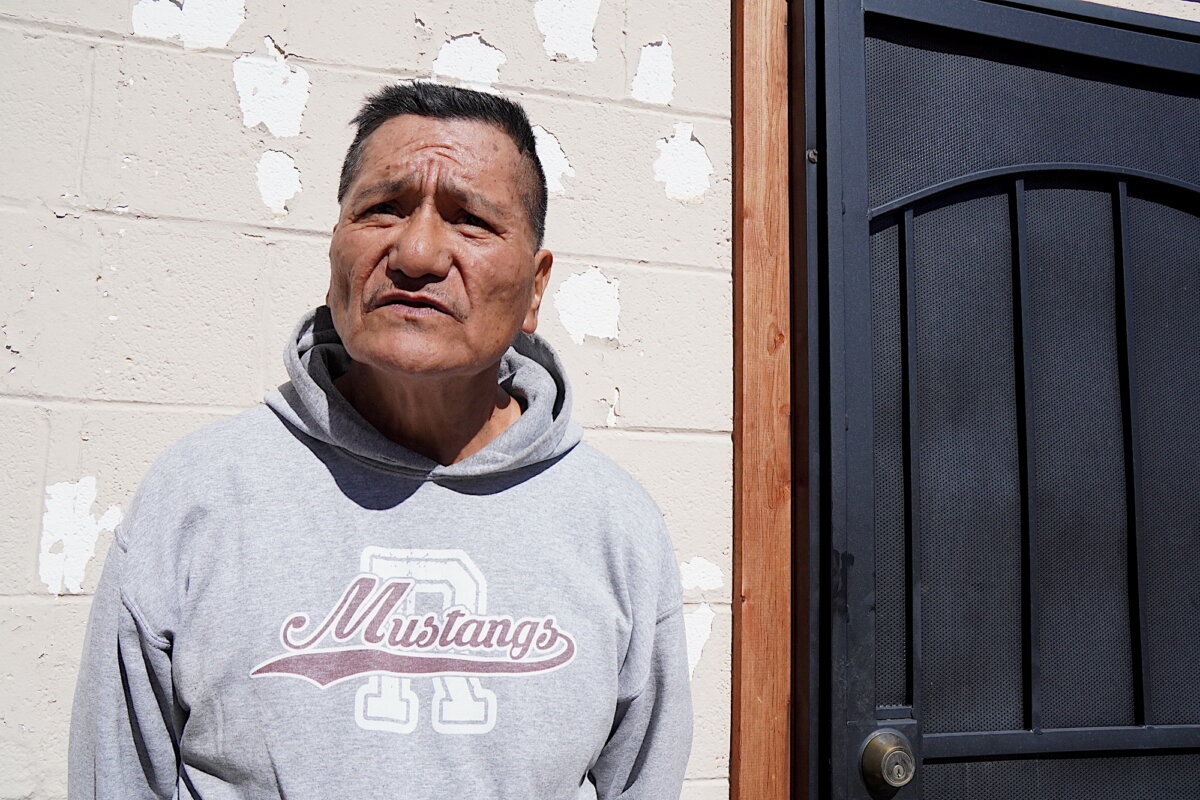
“She was so distraught,” Boomer said, and when Maggie fell ill with pancreatic issues, “just one thing after another piled up.”
“Yeah, it was just trauma,” Boomer told The Epoch Times, but Maggie’s financial struggles only made things worse.
“They say you can’t live without money, but you can’t die without it either. Inflation has eaten up the value of the dollar so much,” he said.
Maggie Billiman said it took a long time to bring her daughter’s remains back to New Mexico because the medical examiner in Texas was doing an autopsy.
“Every time I called, they weren’t ready yet,” she said.
The day arrived when Maggie Billiman held the urn containing her daughter’s ashes.
She now envisions a time when their ashes will be placed together, united forever.
“I’m dealing with my health. I’m dealing with the loss of my children. So I’m just, like, in a zone right now,” she said.
“I’m trying to help myself, but I’m in pain.”
Correction: A previous version of this article misstated the name of Casey Allen Johnson. The Epoch Times regrets the error.
 Friends Read Free
Copy
Facebook
Tweet
Friends Read Free
Copy
Facebook
Tweet